Working Bees Switching to Sundays


Friends of Tarra-Bulga National Park
Website of the Friends Group – Information about working bees and monitoring projects. As well as flora and fauna pictures and descriptions

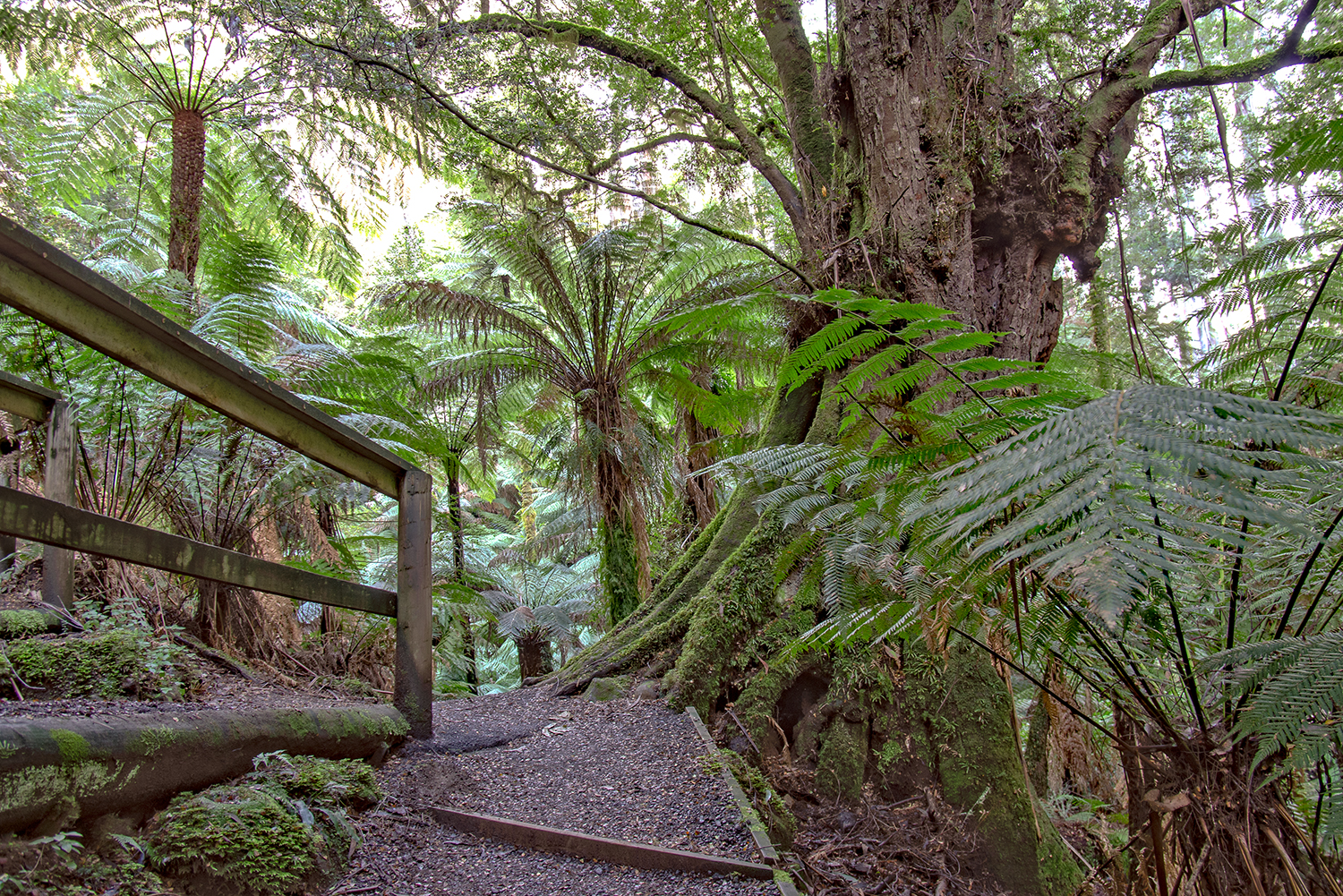
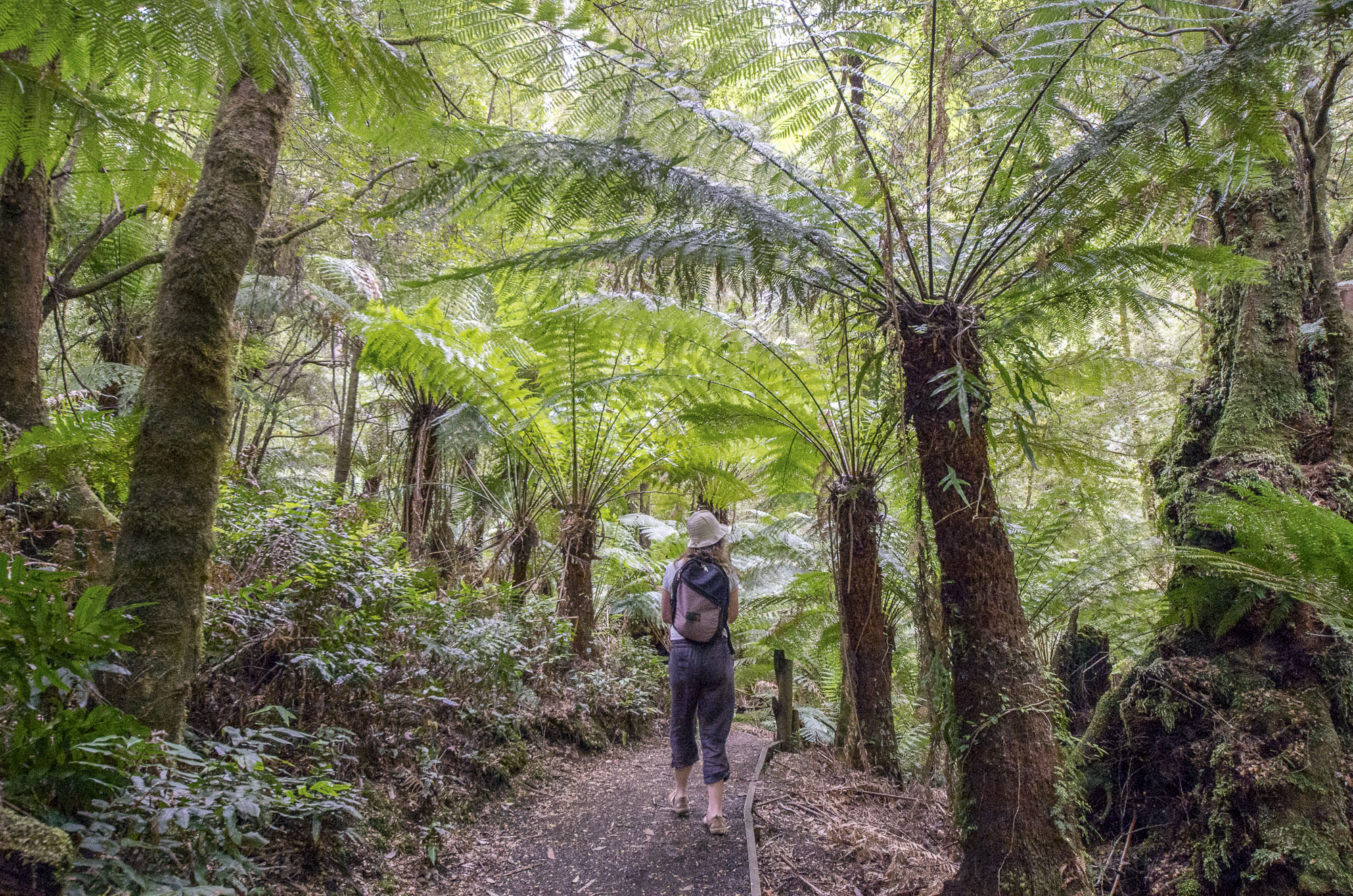
While spending a bit of time in the Tarra Valley Car Park on Saturday morning it was mind blowing to witness a significant number of touristy looking vehicles slow down, check out the place from their vehicles and then drive on without getting out of the car. One lady who had stopped for a look around, approached me and said “we have come up from Yarram and were wondering where to go for the best walks!”. She seemed surprised when I said that one of the best walks in the park is right here.
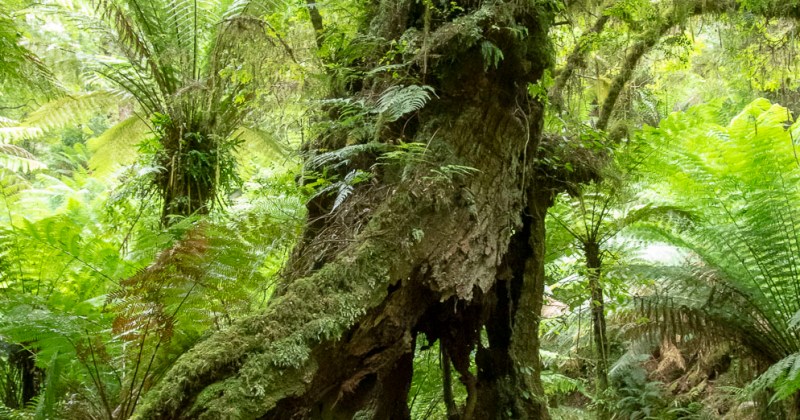
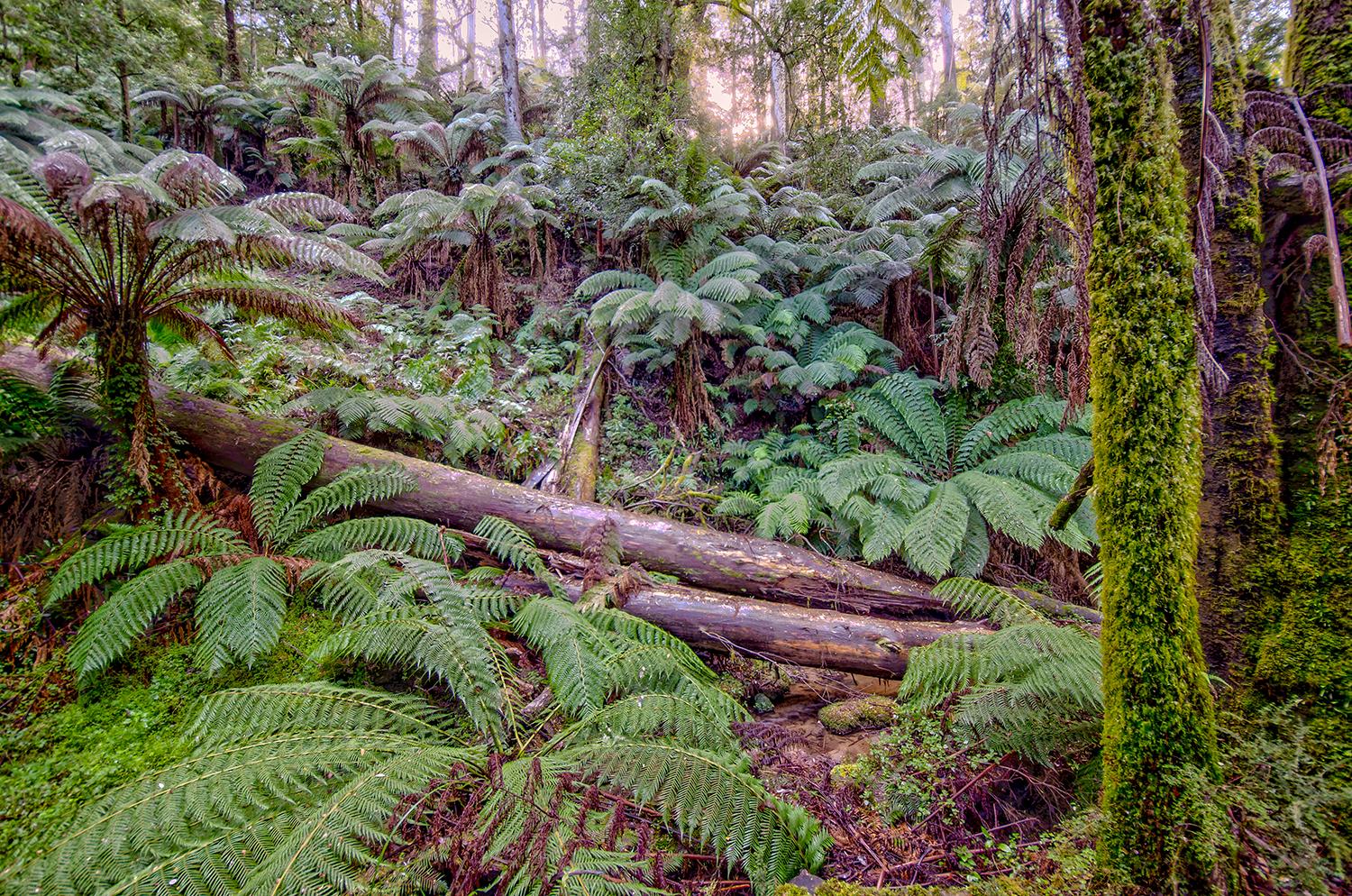
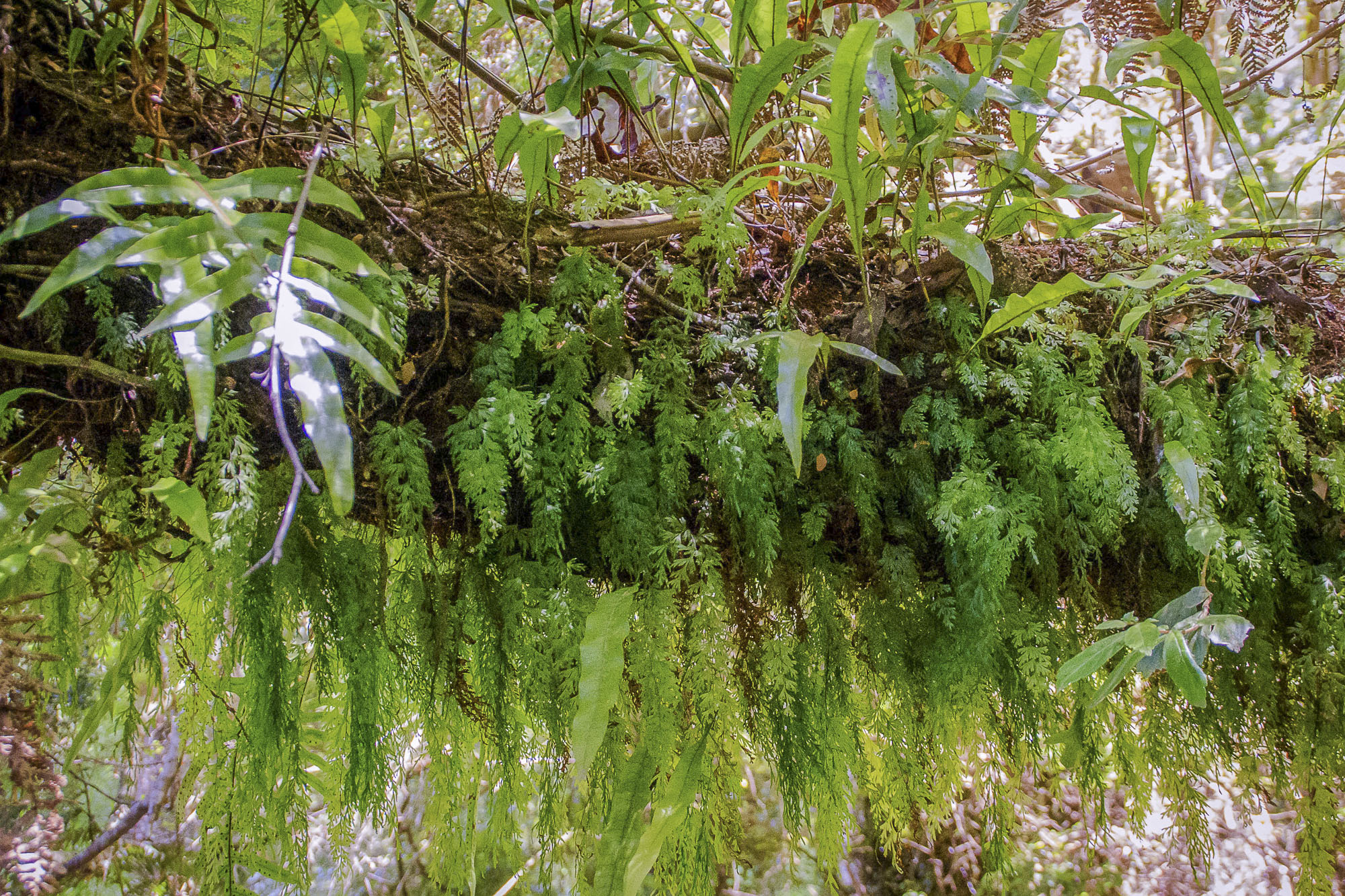
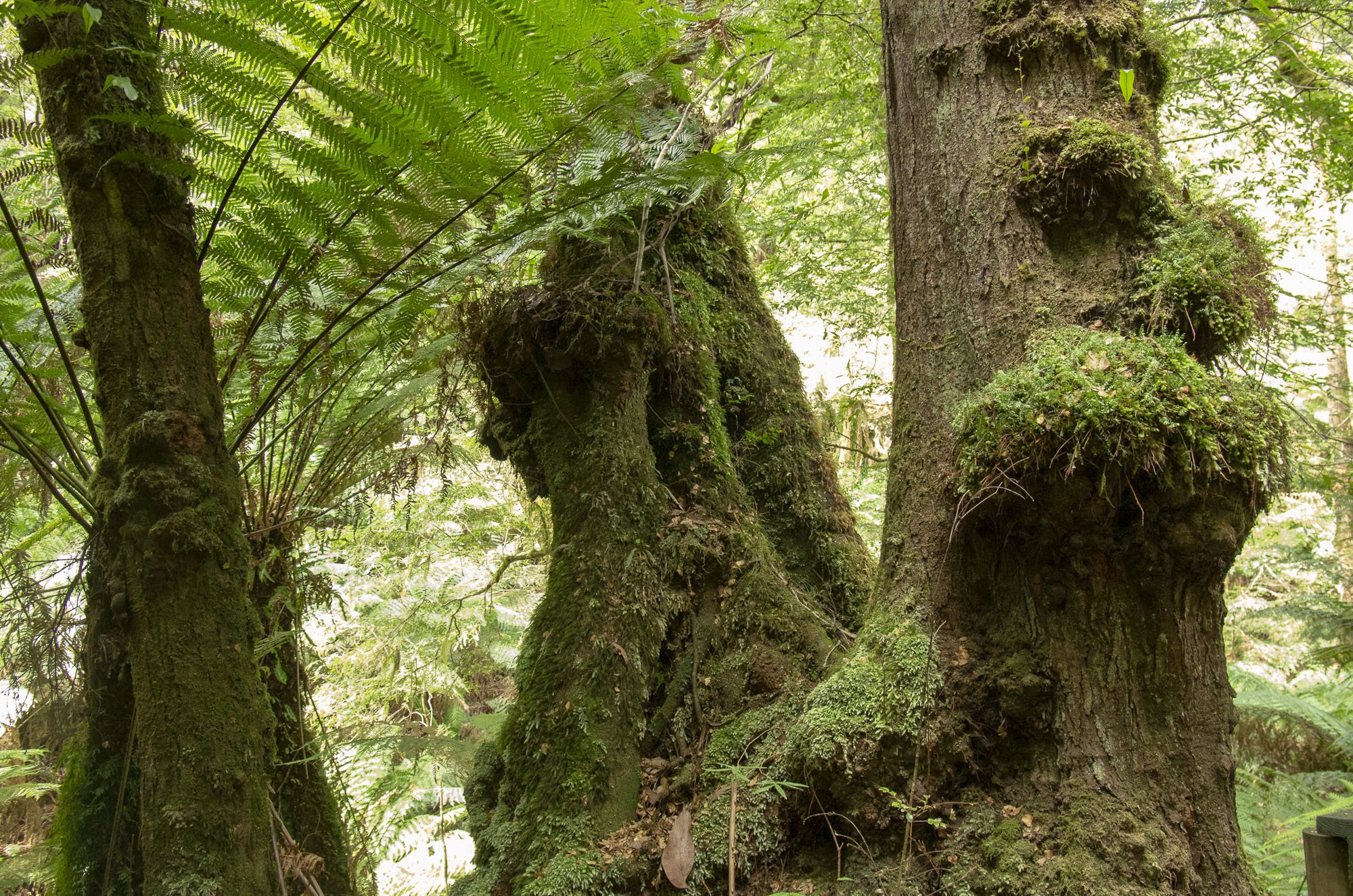
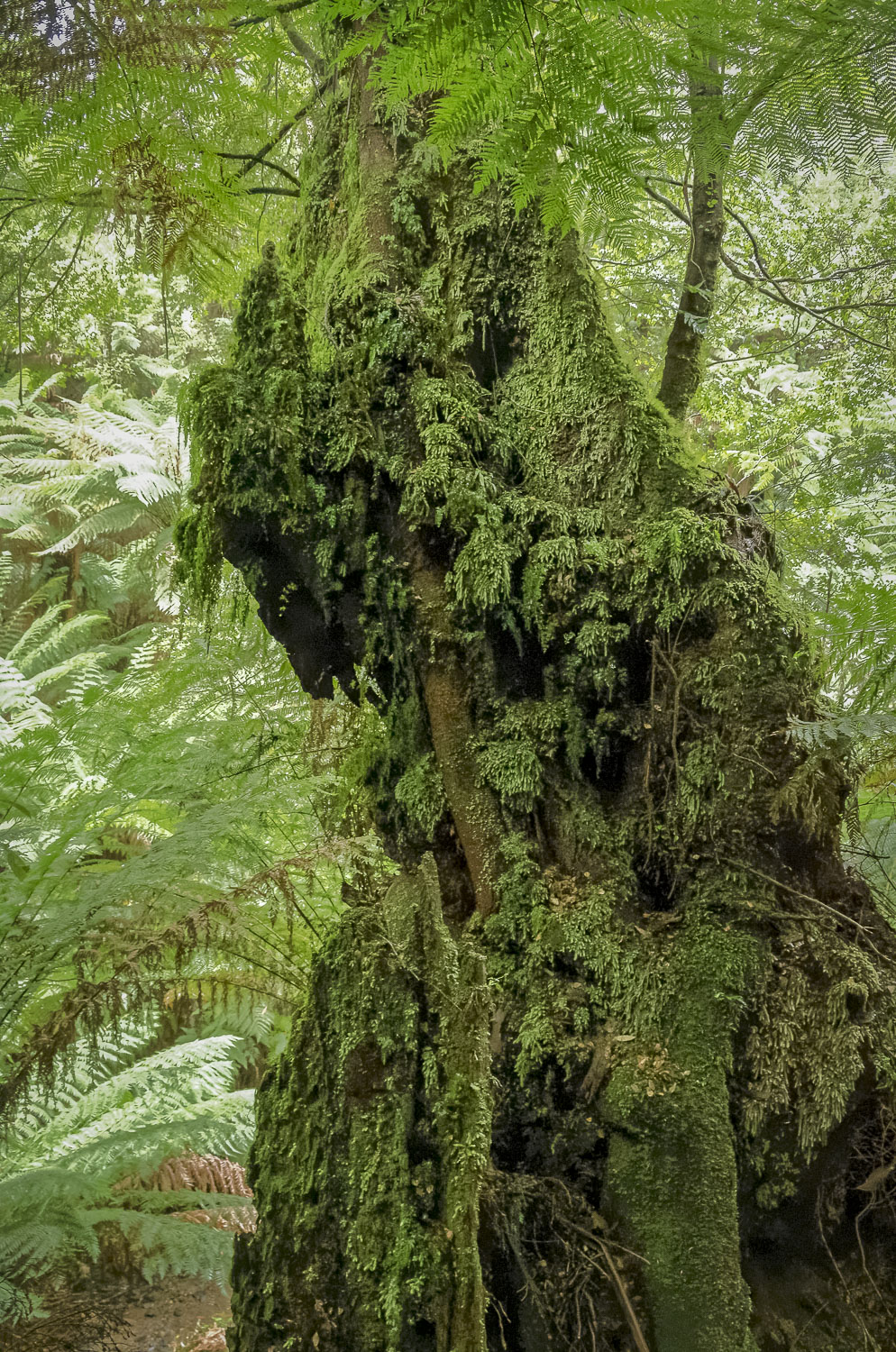
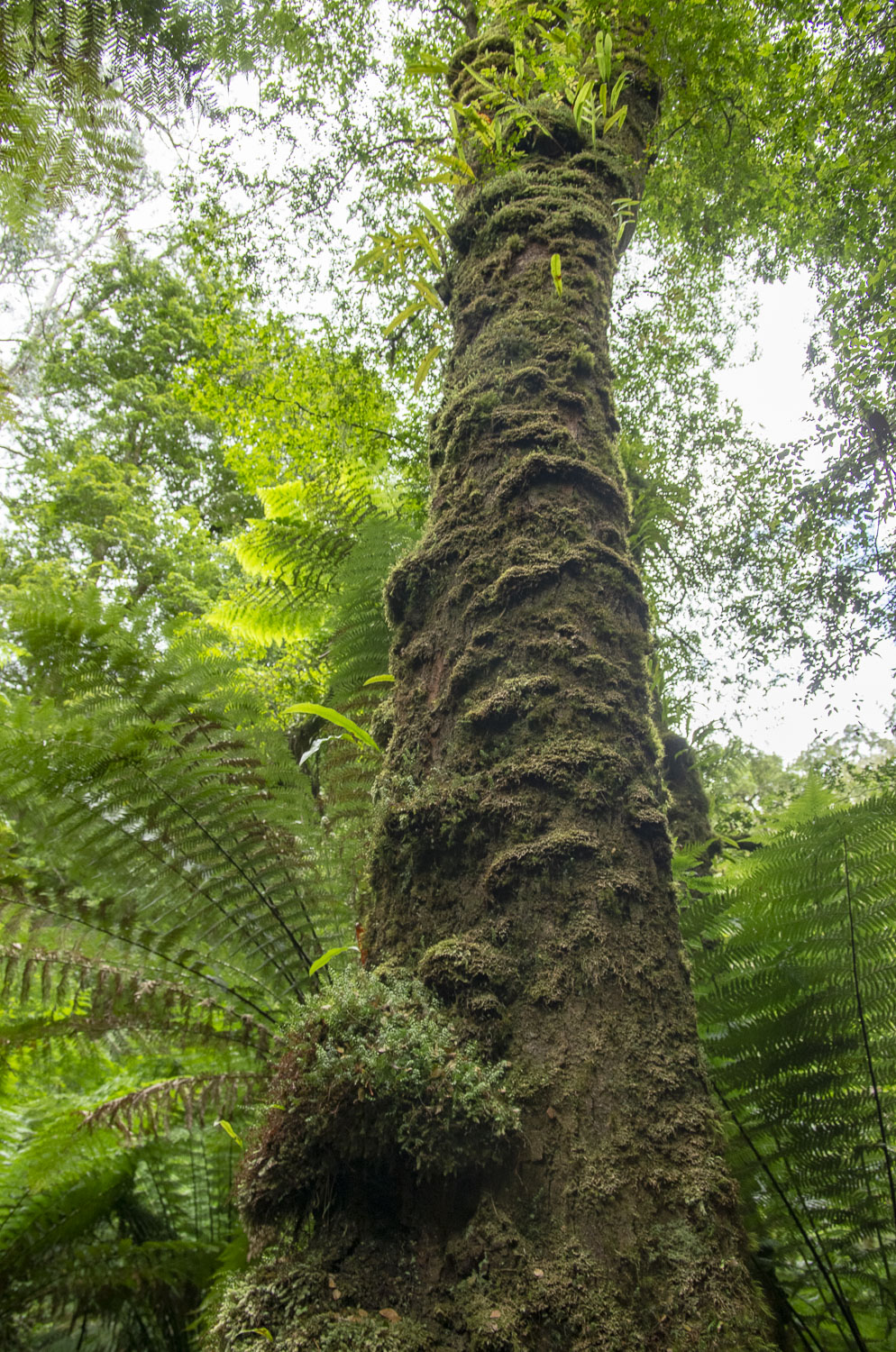
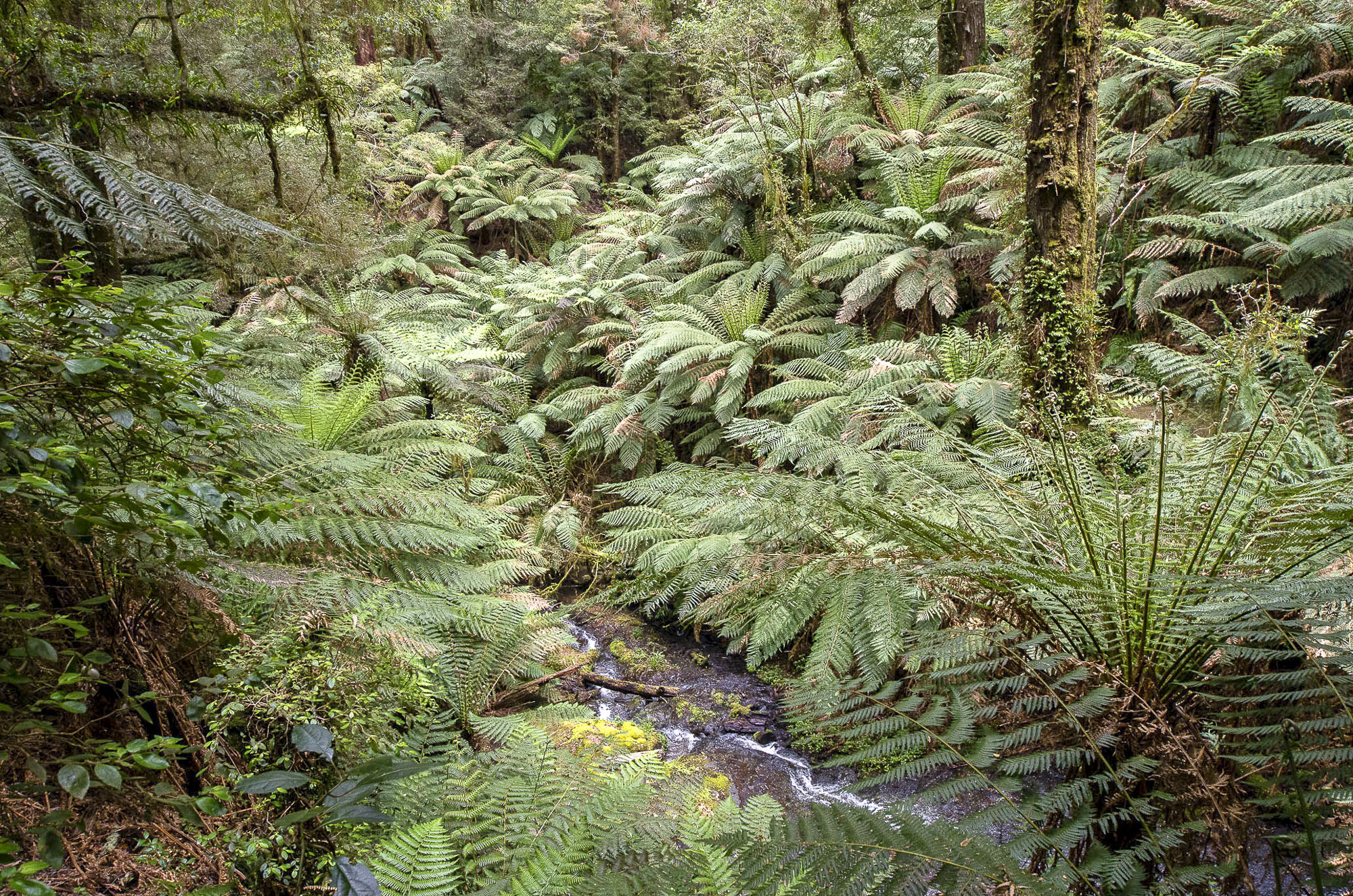
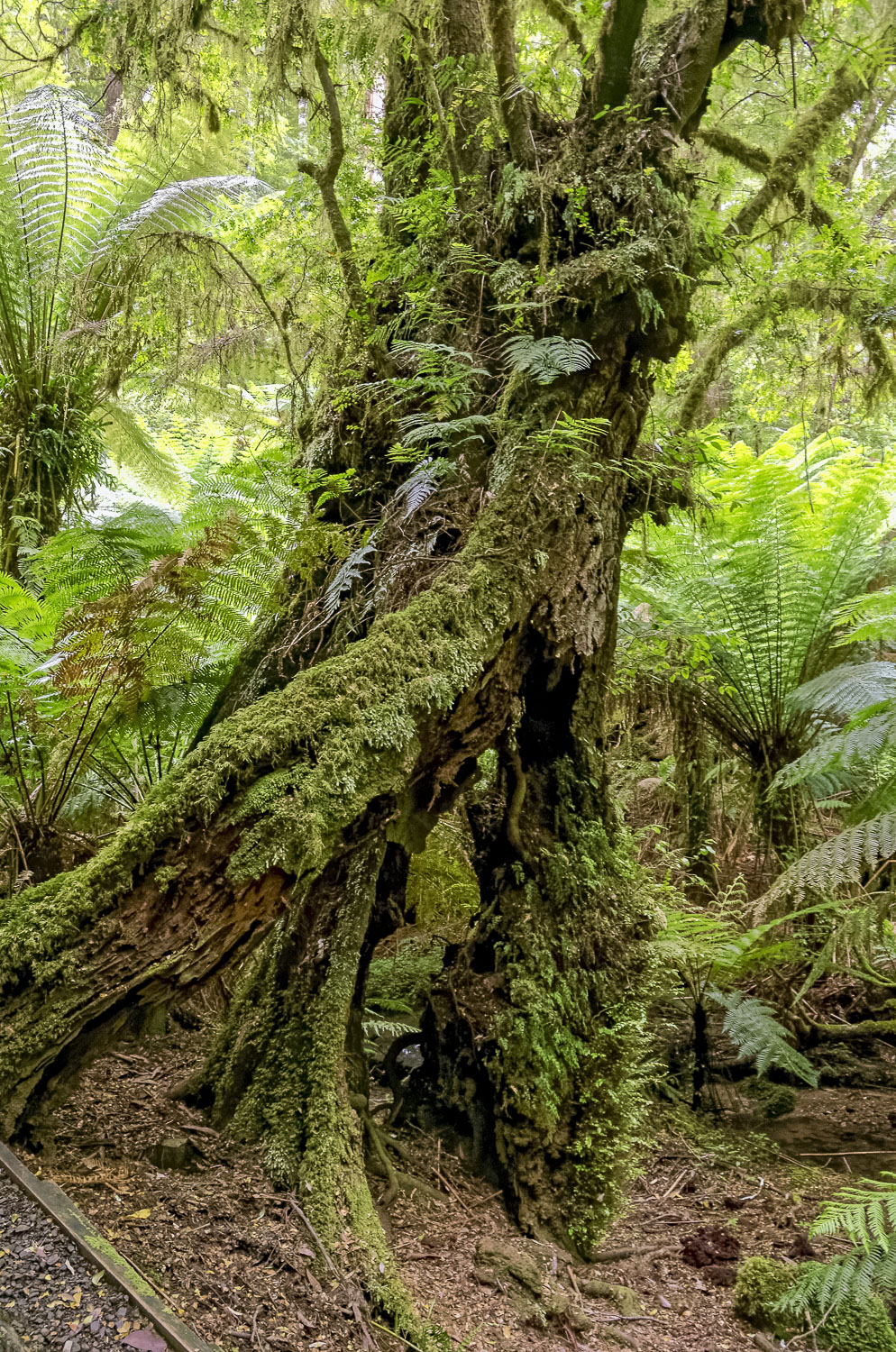
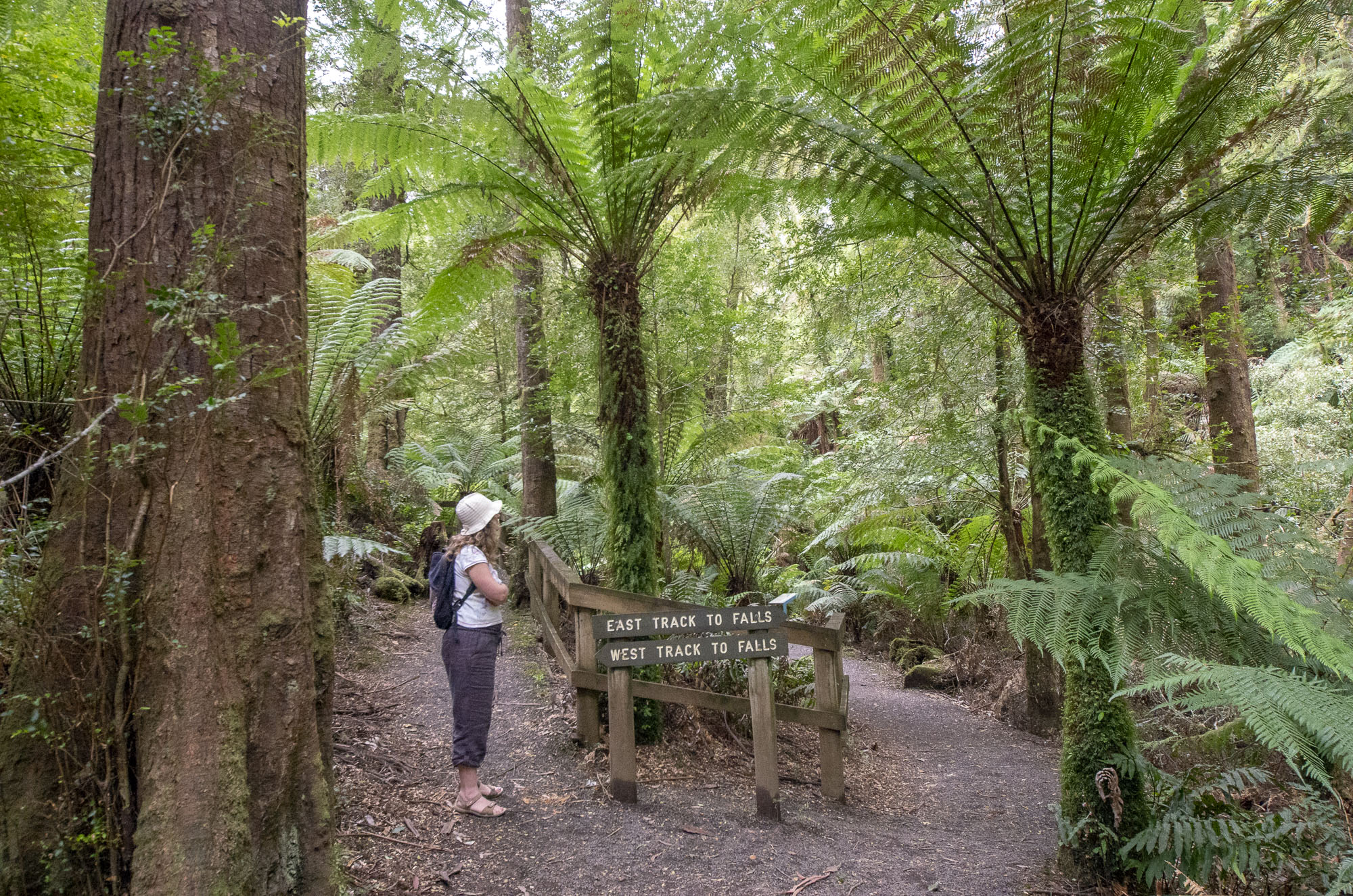
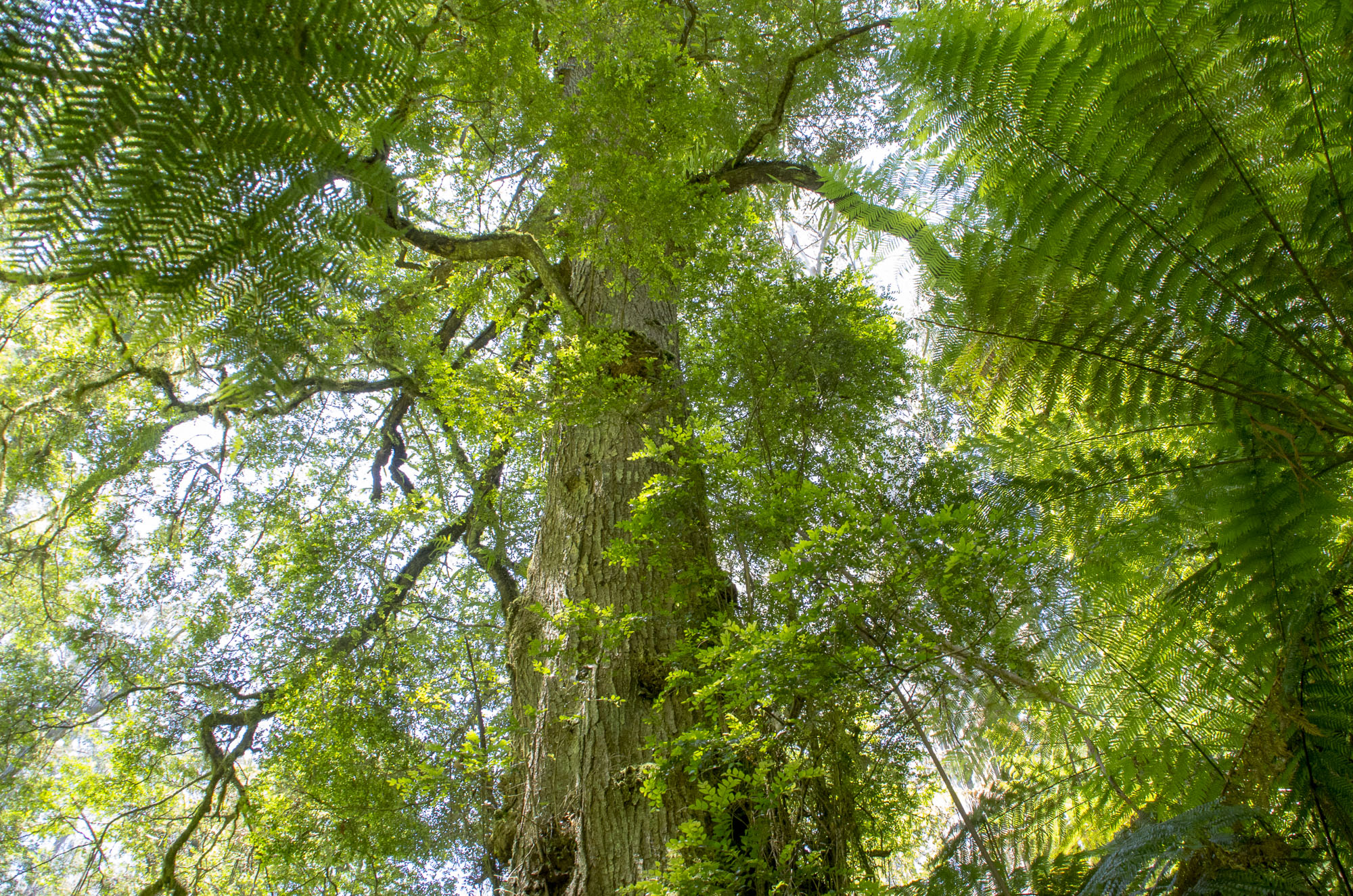
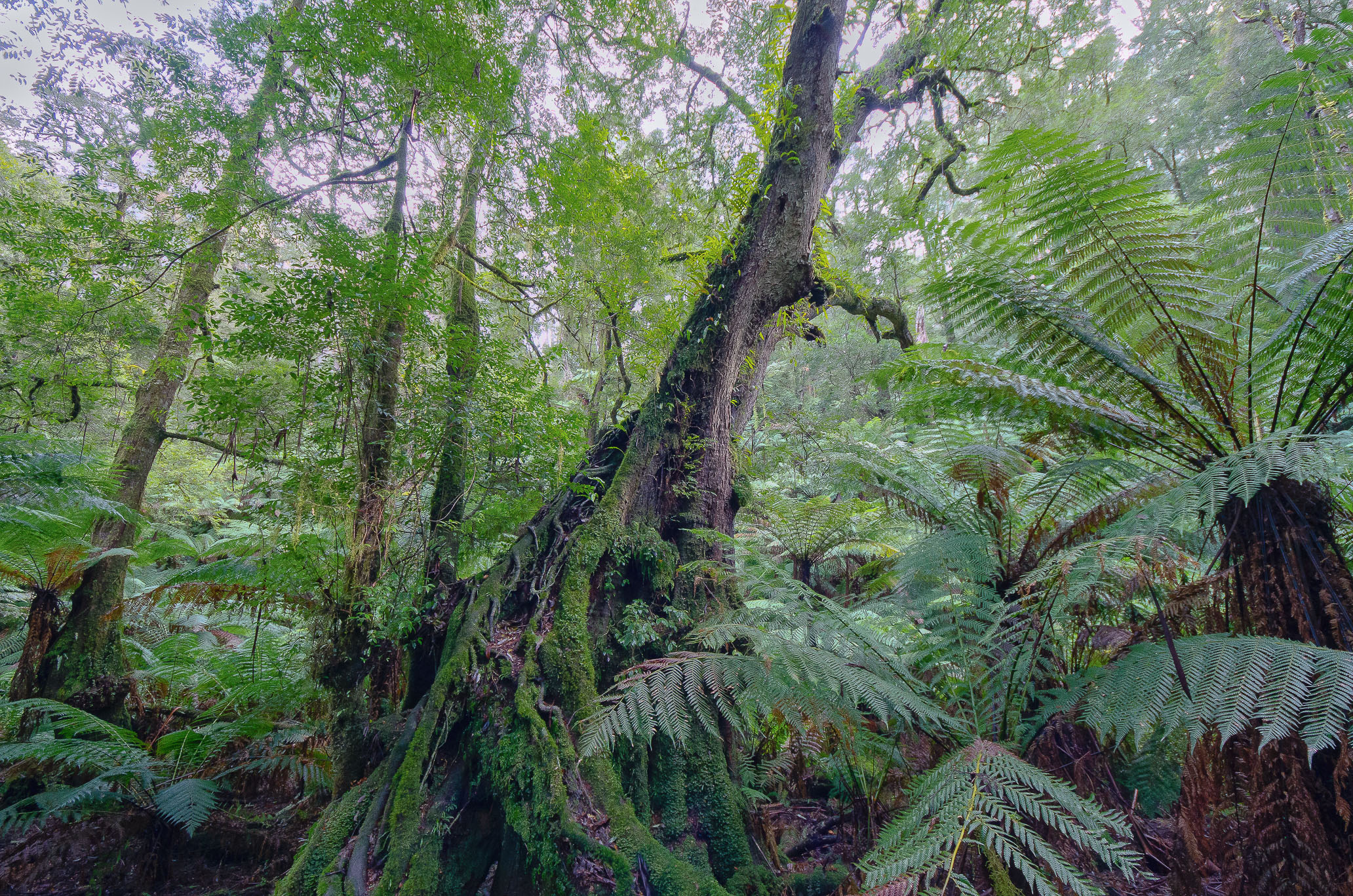
The Rainforest Walk at the Tarra Valley is certainly a must-do Tarra-Bulga National Park experience. The ancient gnarly Myrtle Beech, fresh mountain streams, lush green mosses and delicate filmy ferns are truly spectacular (not to mention Cyathea Falls). Maybe it needs better signage (VicRoads) or publicity but seriously people if you a driving through, stop, get out of the car, take a walk and check it out for yourself.


This Saturday July 28th, we are inviting people to join us

for an activity at one of our on-going project sites. The aim is to remove wire tree-guards from successfully plantings which are part of the recovery from 2009 bushfires.
Meeting point is the Tarra-Bulga Visitors centre at 10am and the activity will finish around 1pm. Please let us know if you intend to come along in case there are any change of plans. Phone 0488 035 314 or email: friendsoftarrabulga@gmail.com

Thanks to group members Martin and Bernadette for letting us use this great camera footage they captured from a very busy Lyrebird mound just near the park in the Tarra Valley. The video catches a male Lyrebird at the peak of the breeding season, strutting his stuff in a full display.
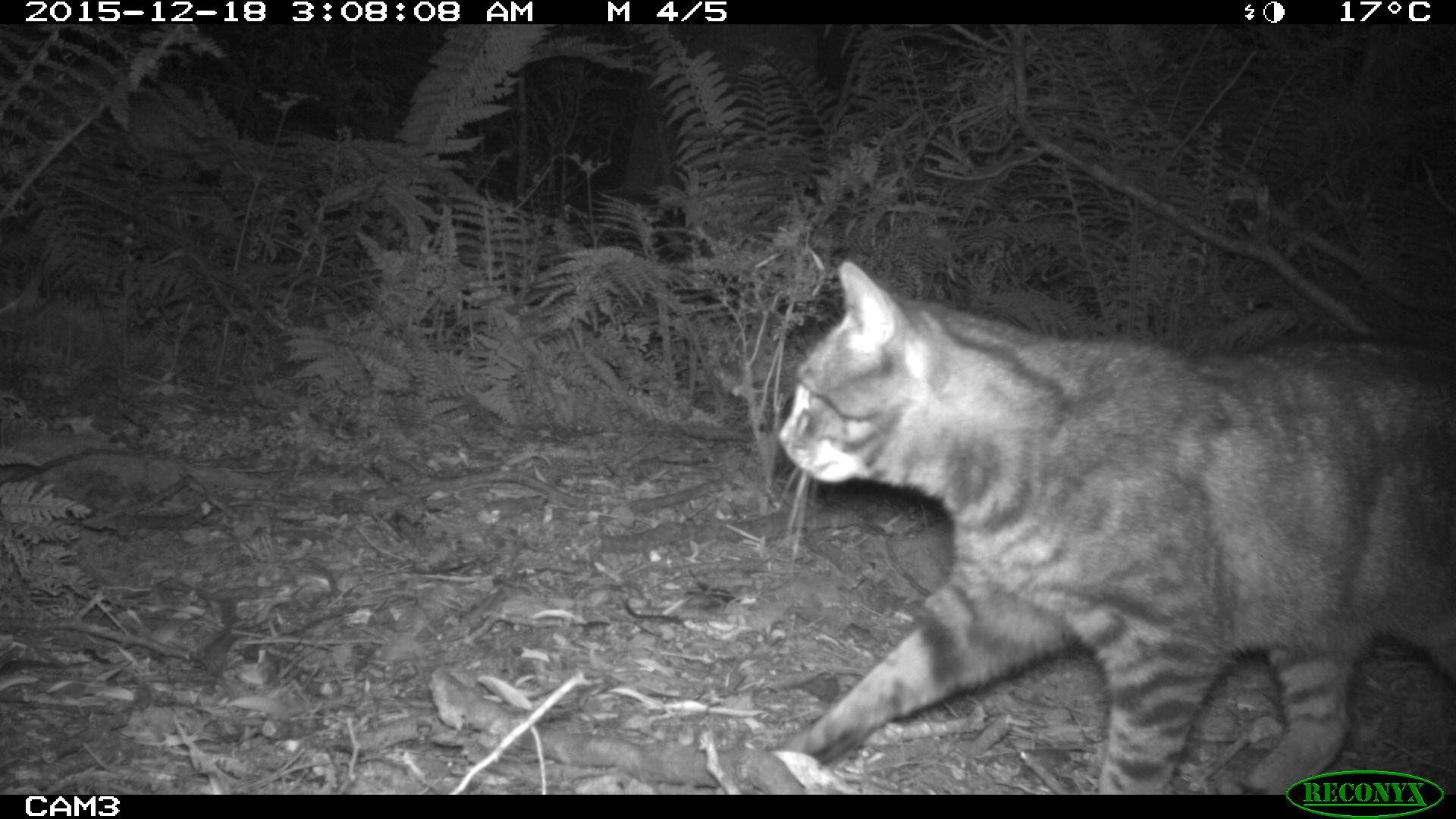
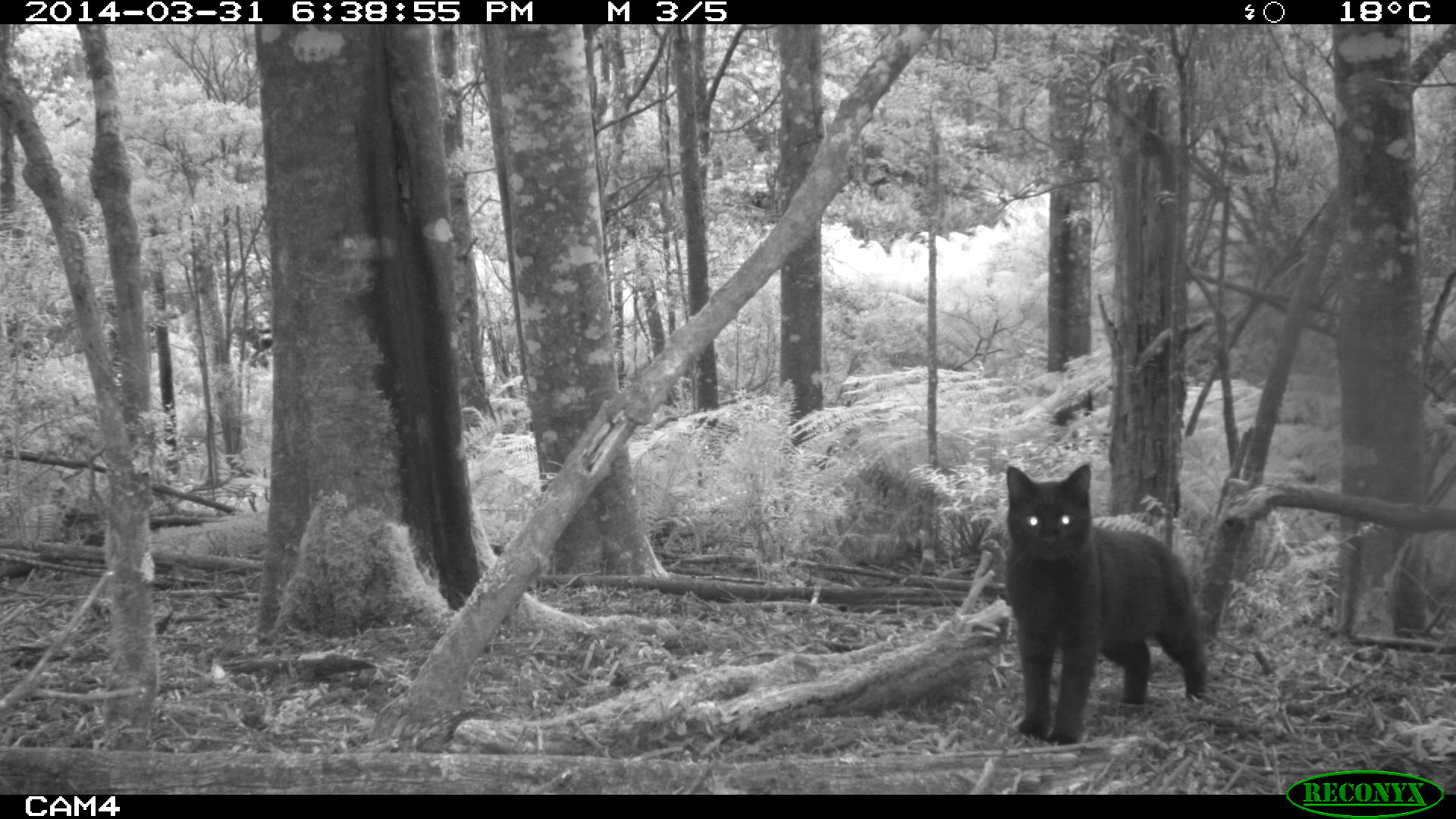
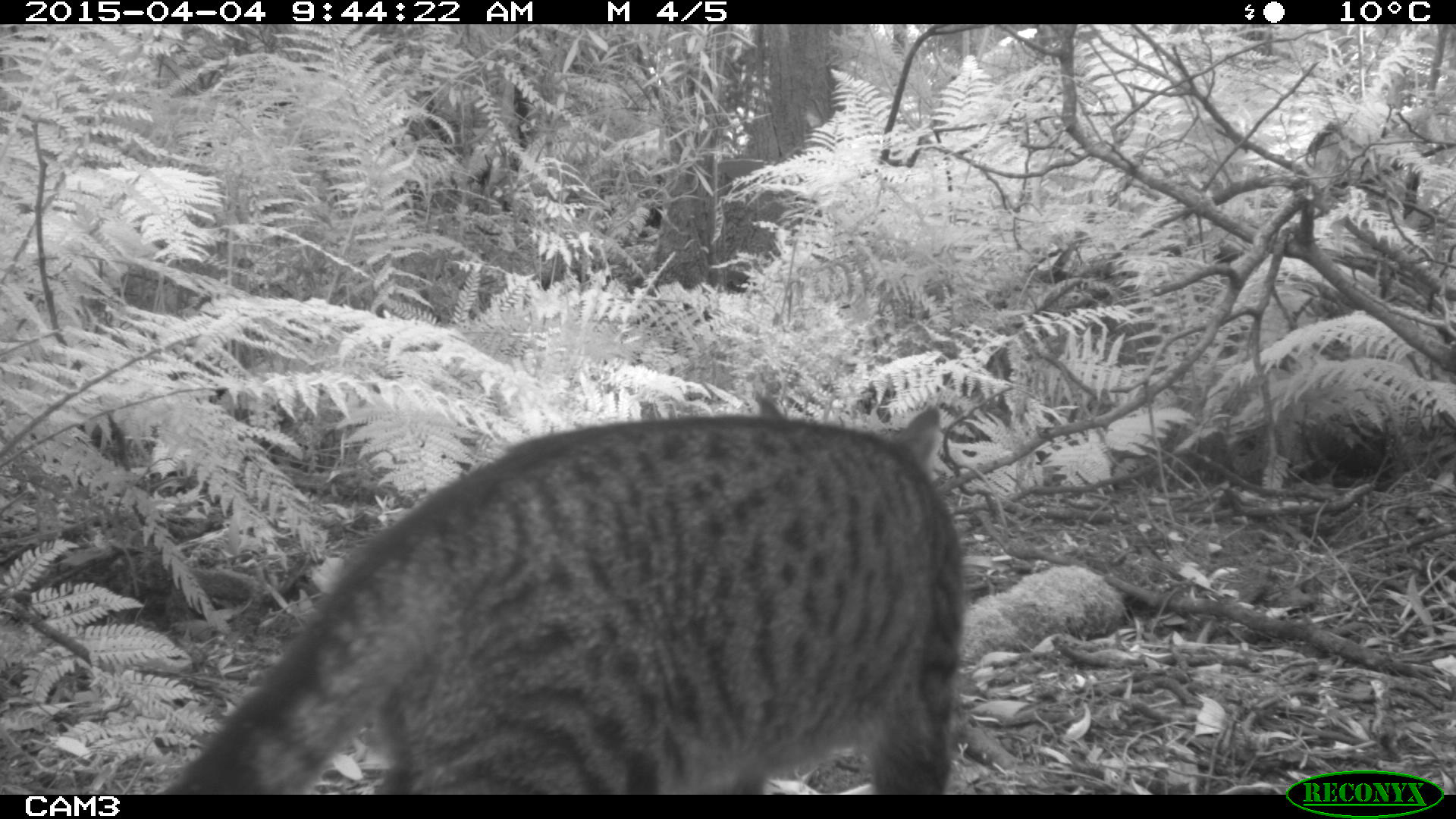
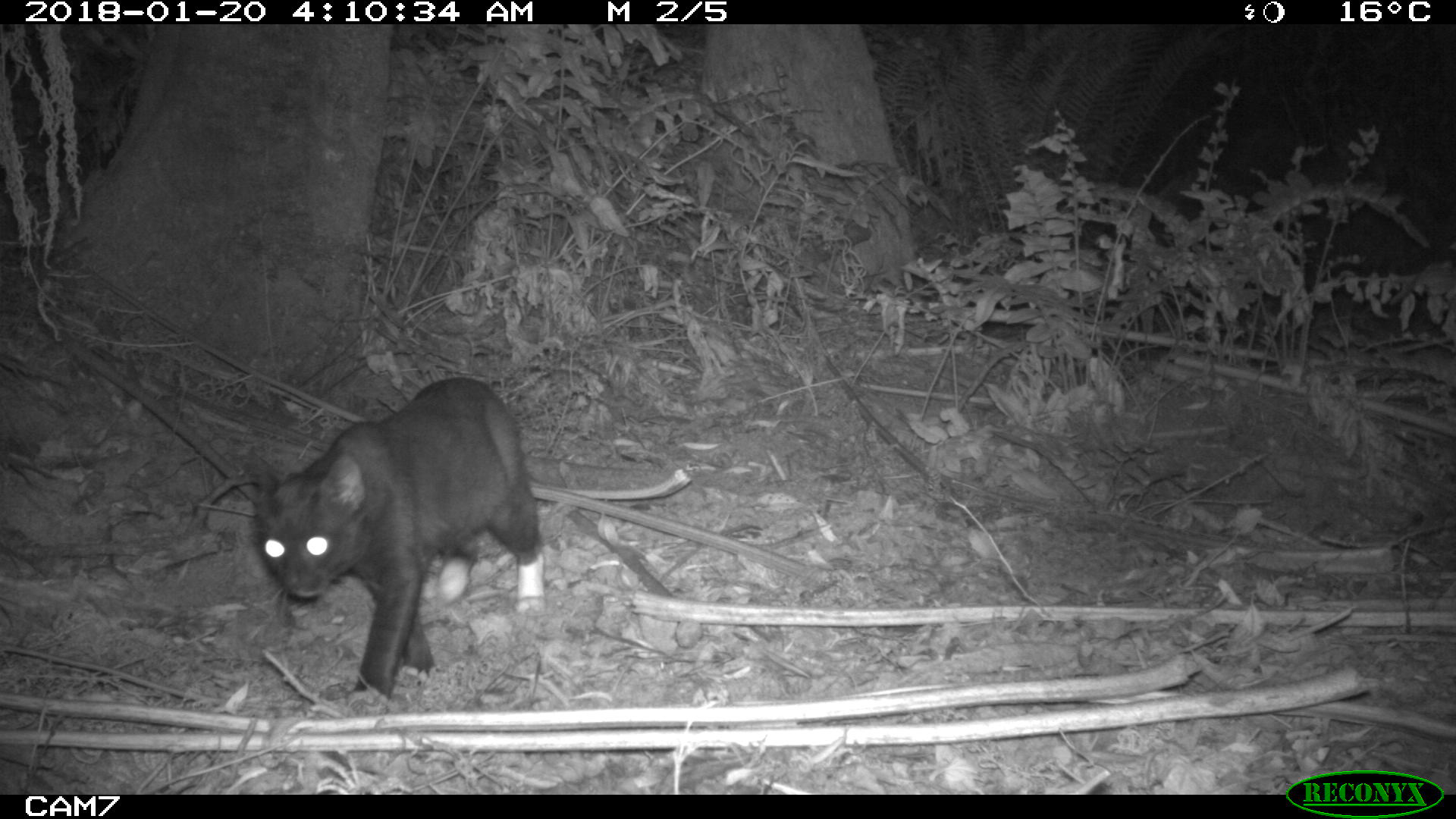
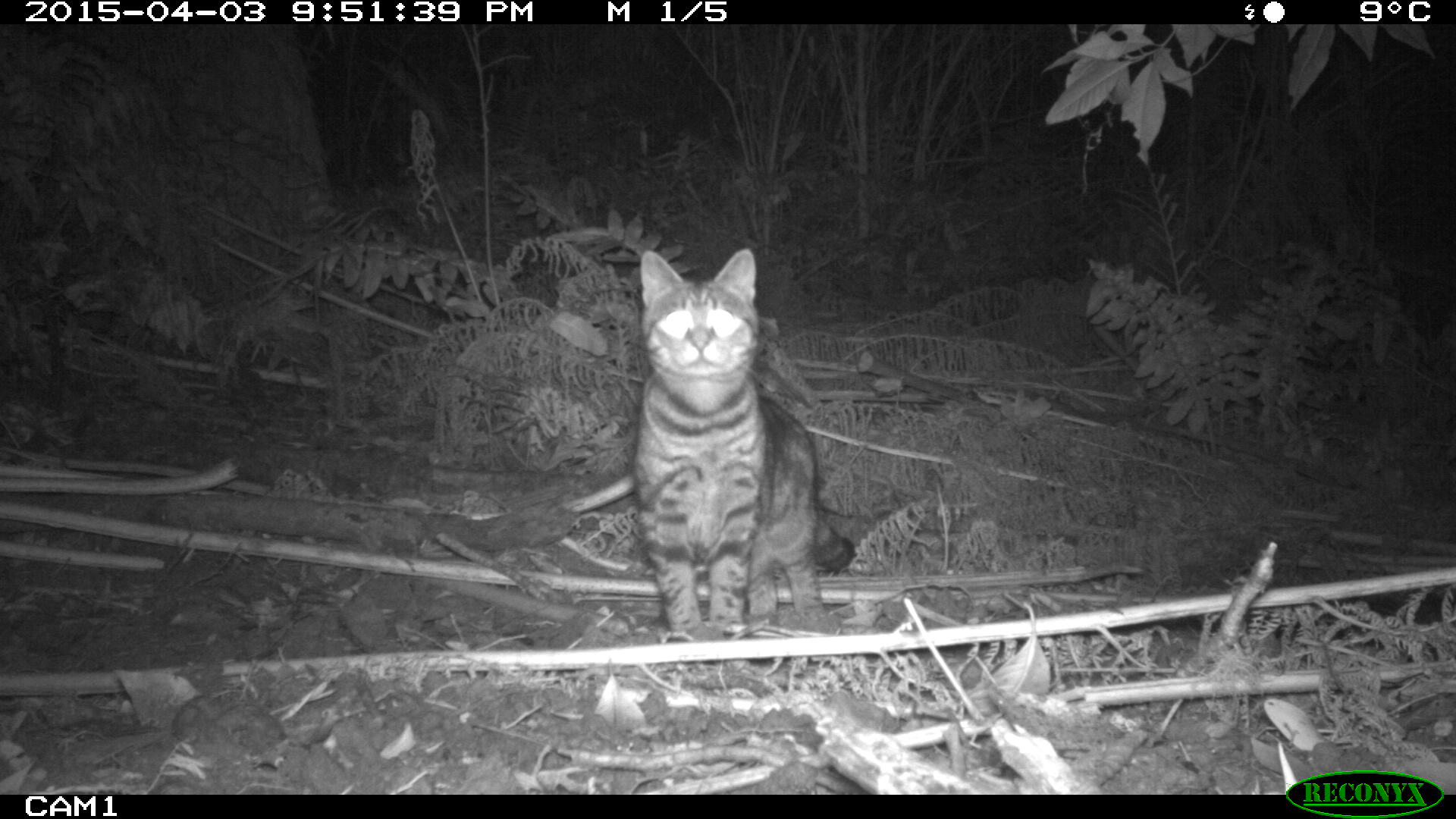
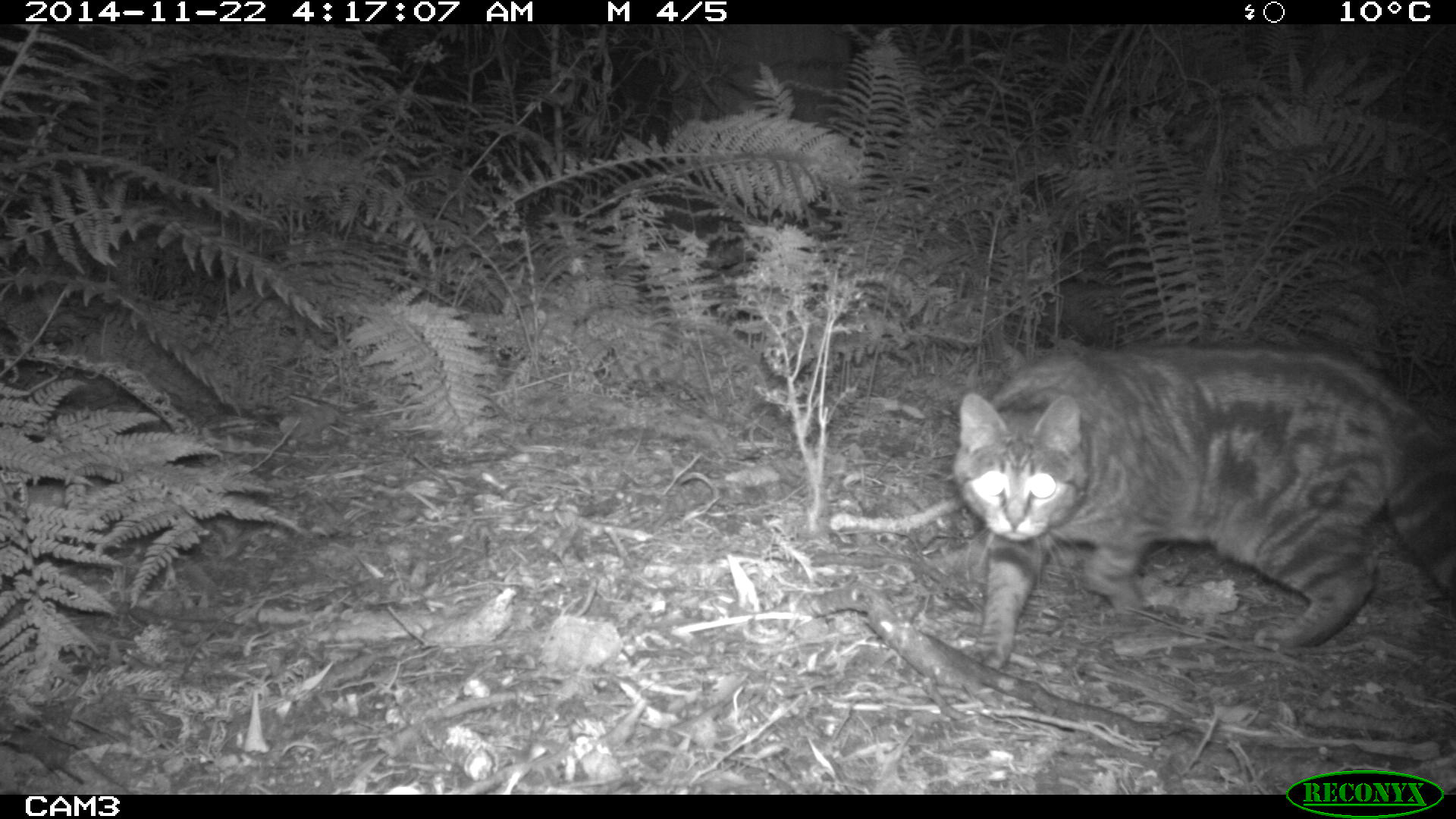
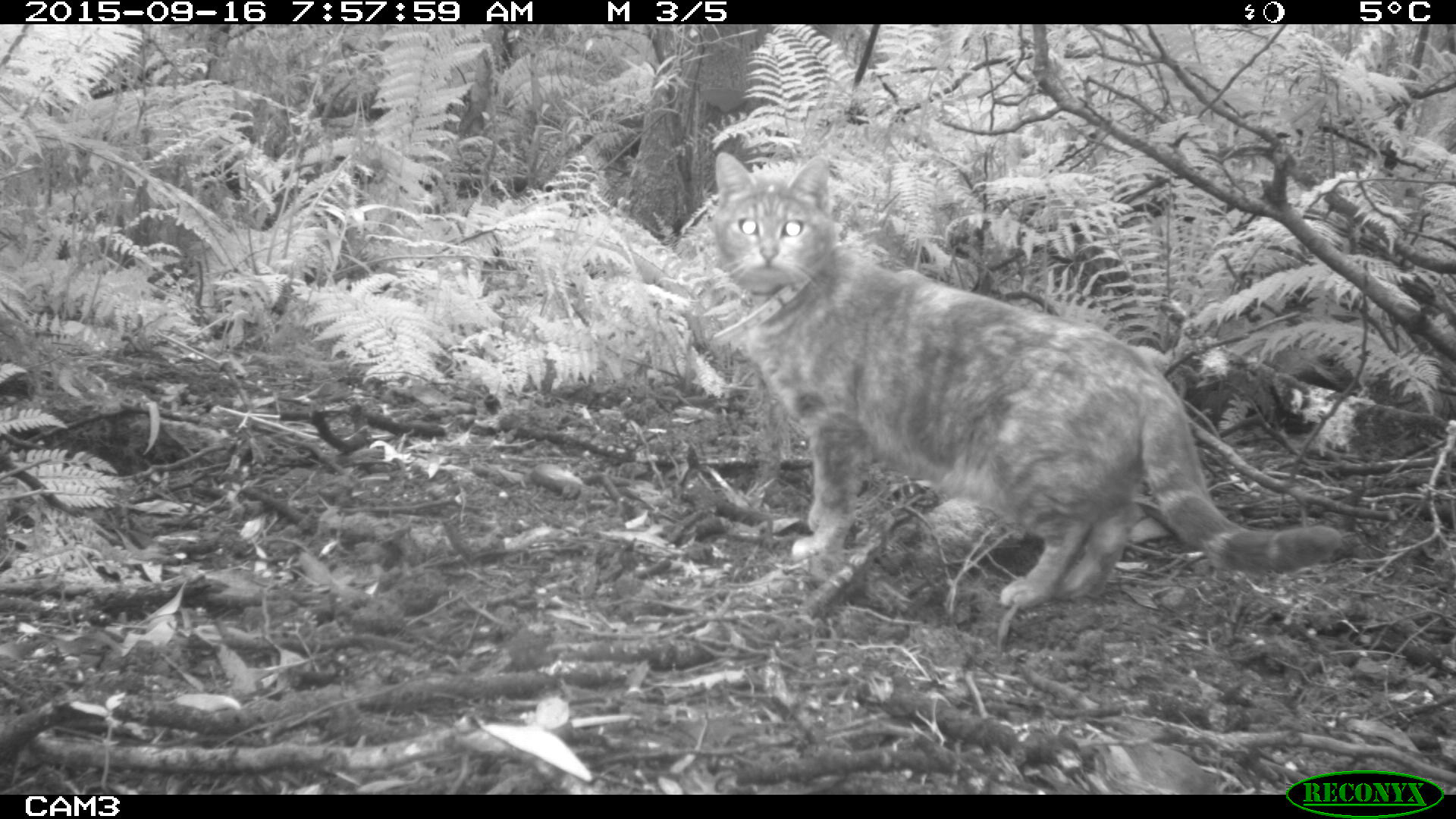
Although they are not often seen by visitors, feral and domestic cats are established predators at Tarra-Bulga National Park and our remote camera results suggest they are becoming more common.
The table below shows results from five years of remote camera monitoring carried out by the Friends of Tarra-Bulga Park. Cat numbers as a percentage of total species recorded rose dramatically from 0.7 to 3.9%.
| Year | 2012 | 2013 | 2014 | 2015 | 2016 | 2017 |
| No. of Cats Records | 16 | 33 | 64 | 59 | 41 | 64 |
| Total Records | 2208 | 2898 | 4827 | 3804 | 1352 | 1638 |
| Percentage of Cats | 0.7% | 1.1% | 1.3% | 1.6% | 3.0% | 3.9% |
The impact these cats are having on the birds, small mammals and reptiles is a real concern. Although there are many variables in the ways we set up our cameras, the general trend in the last few years is for them to be detecting greater numbers of cats and less small native mammals (e.g. Antechinus and Bush Rats). Sadly we have also been detecting less of the smaller birds such as Pilotbirds and White-browed Scrubwrens. (For a summary of sightings of others species download this Percentage of sightings per year for commonly detected species captured in remote camera photos )
The gallery below shows that cats in Tarra-Bulga range from large ferals and panther look-alikes to small (some might say cute) looking kittens, some even have collars. What is undeniable though, is that their presence has a major impact on the ecology of Tarra-Bulga National Park.


Another great turnout of 34 volunteers for this year’s survey, our annual Lyrebird Survey is by far our most popular activity and once again we were able to cover all 16 monitoring sites.
Weather conditions were quite good, at 5.30am heading up to Balook there was a substantial amount of moonlight with a clear sky and some cold air, At Balook however it was darker because of cloud cover blocking the moonlight and there was a slight breeze in the treetops.
Our full crew of volunteers arrived in good time and by 6.30am everyone had arrived and signed in and by 6.45am everyone had been briefed on their tasks and had headed out in the dark to their assigned monitoring stations.
Once in position there ended up being quite an unexpectedly long wait until Lyrebird calls were first heard, only a couple of locations recorded birds calling before 7am; which was when the majority of the sites started hearing birds, the latest any group had to wait to record any calls was 7.10am. Last year (2017) every site had birds calling by 6.55am.
The official sunrise time for Saturday June 2nd at Balook was 7.22am and first light was scheduled to appear at 6.52am which was almost identical to last year.
From our results we detected 8 birds calling in our search area, this figure was slightly down on recent years. It is hard to read too much into one years results but potentially the dry summer and autumn we have experience may be having an impact. Most birds appeared to be calling from forest areas with established Eucalyptus over-storey or rainforest. It would be great if some action can be taken to re-establish the original canopy species into areas of the park that have been degraded.
As usual we only count birds that are detected by at least 2 monitoring stations and some stations heard birds calling that were not in our survey area so are not included in the final tally.
Thanks again to AGL who generously supported the breakfast provided for the early rising volunteers.
Lyrebird Survey Results Summary Table 2010-2018
|
Year |
Number of Males Calling |
Monitoring
Points Covered (out of 16) |
Weather Conditions |
| 2010 | 4 | 9 | |
| 2011 | 9 | 13 | Windy making it hard to hear calls, especially in the more exposed sites. |
| 2012 | 9 | 12 | Still and Calm |
| 2013 | 3 | 10 | Wet, may have discouraged birds from calling. Several males sighted feeding but not calling. |
| 2014 | 14 | 15 | Perfect calm morning |
| 2015 | 6 | 12 | Windy |
| 2016 | 9 | 15 | Ideal – slight wind, relatively warm |
| 2017 | 11 | 16 | Ideal – slight wind, relatively warm |
| 2018 | 8 | 16 | A little overcast with a slight breeze. |

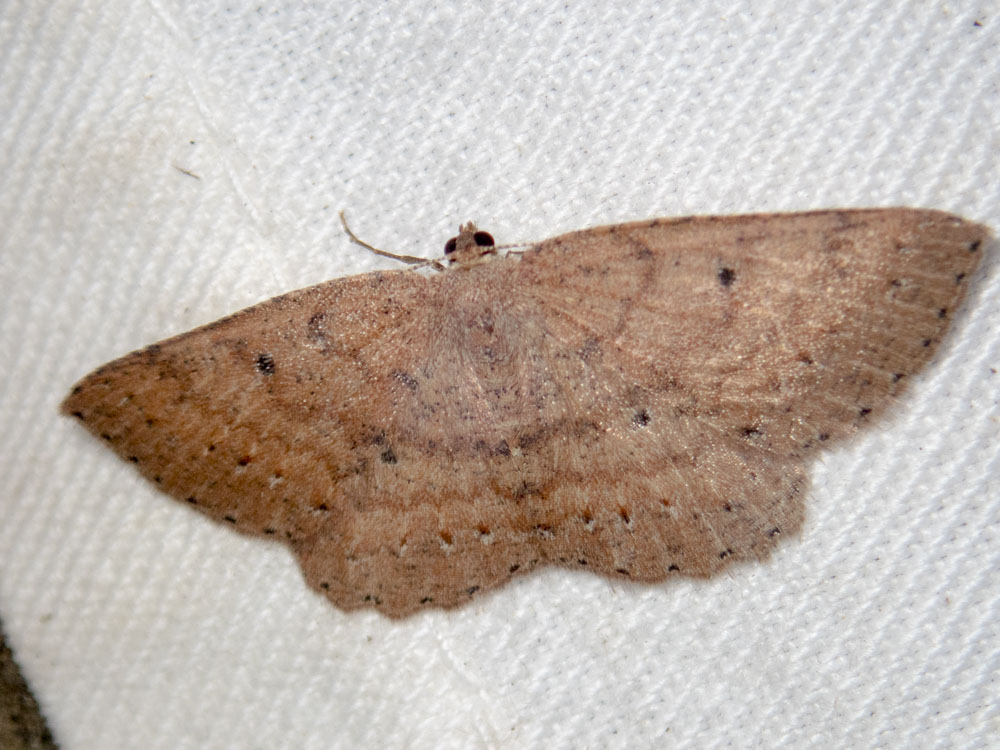
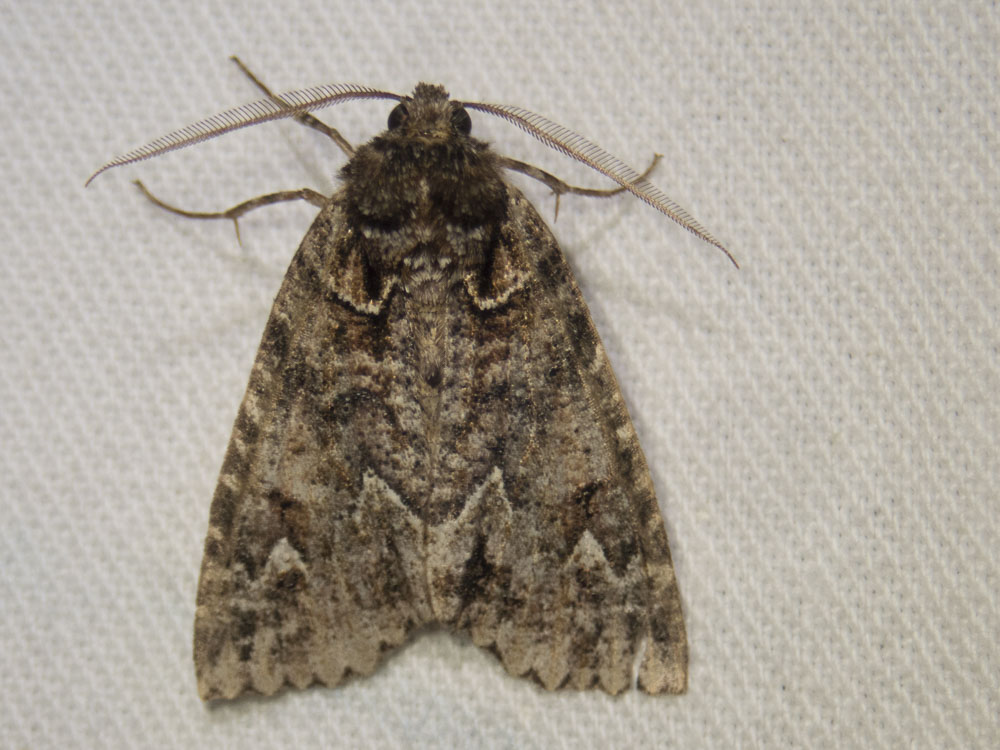
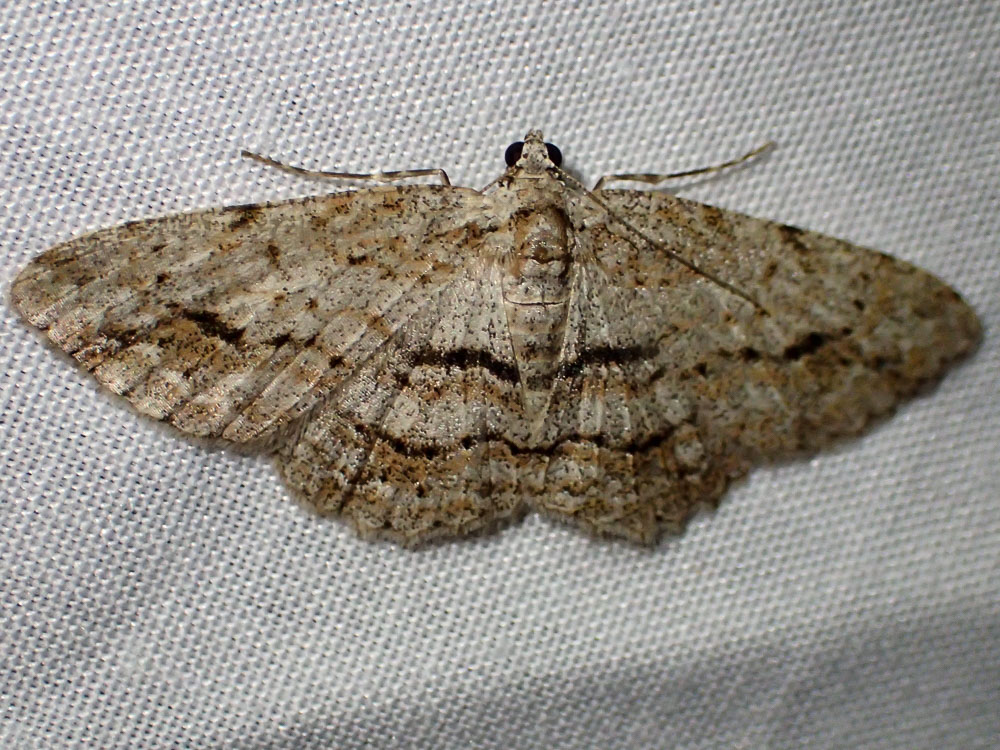
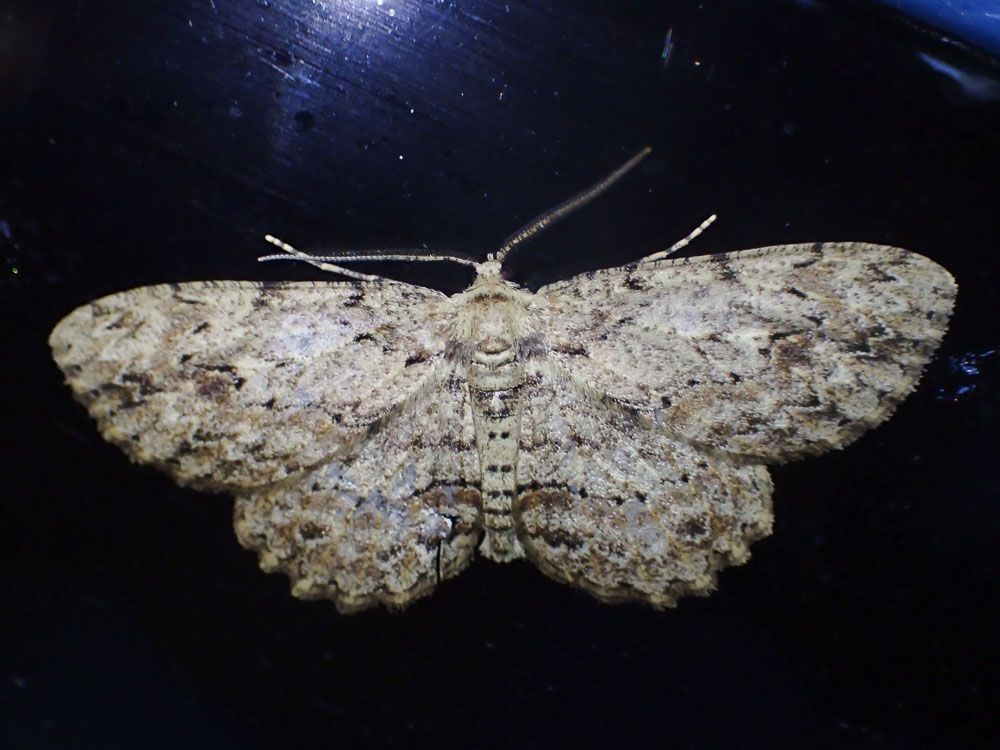
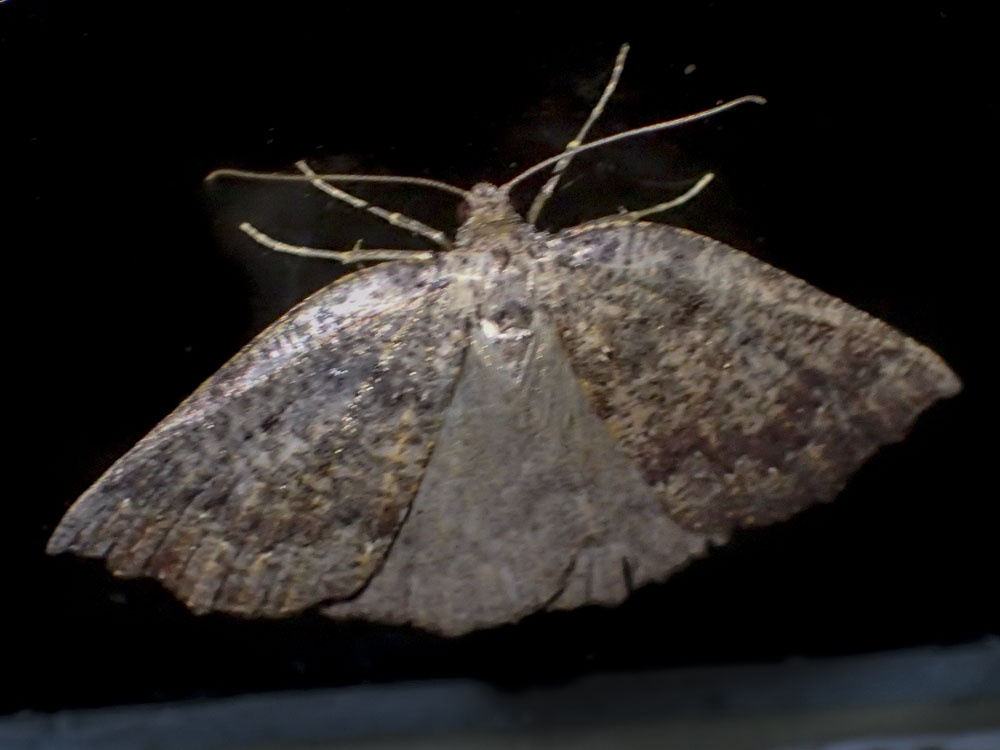
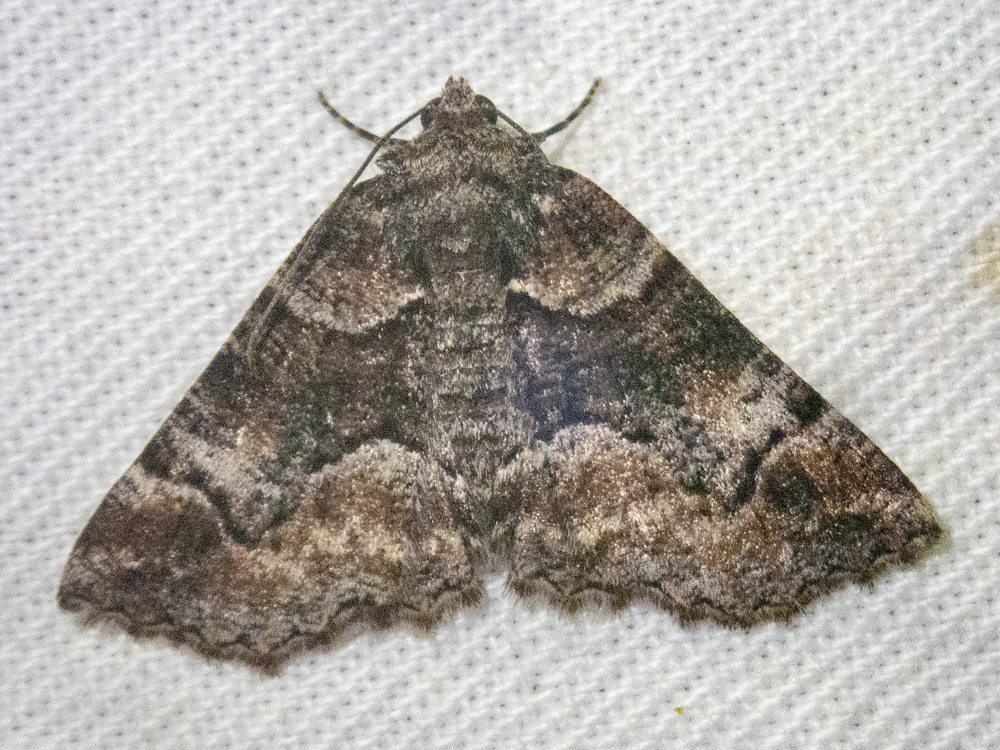
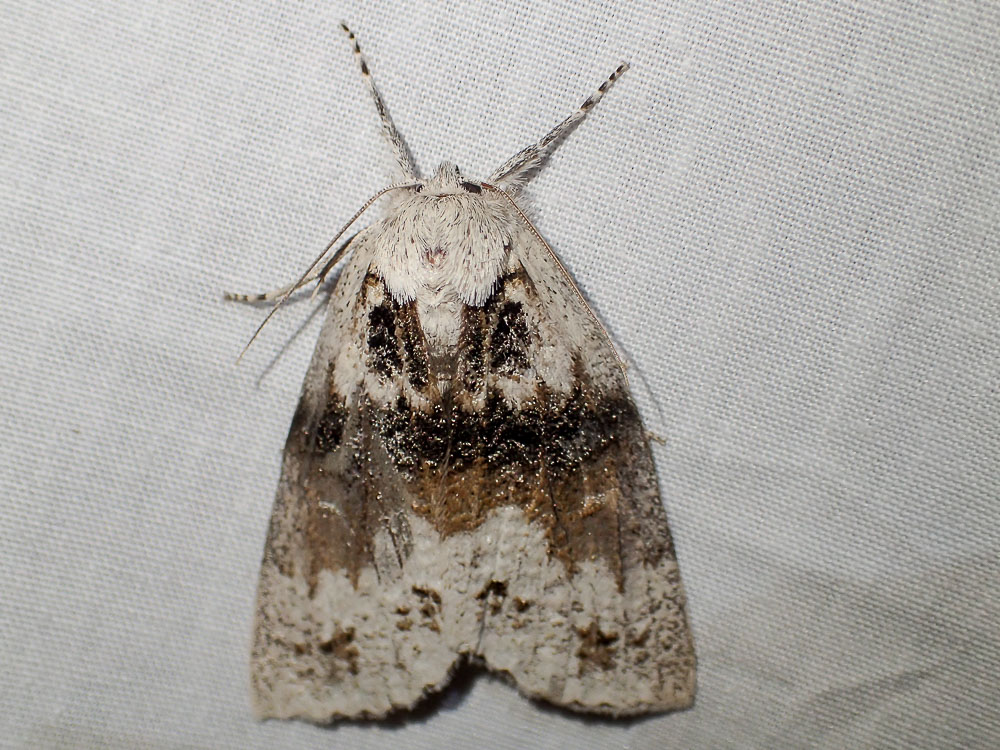
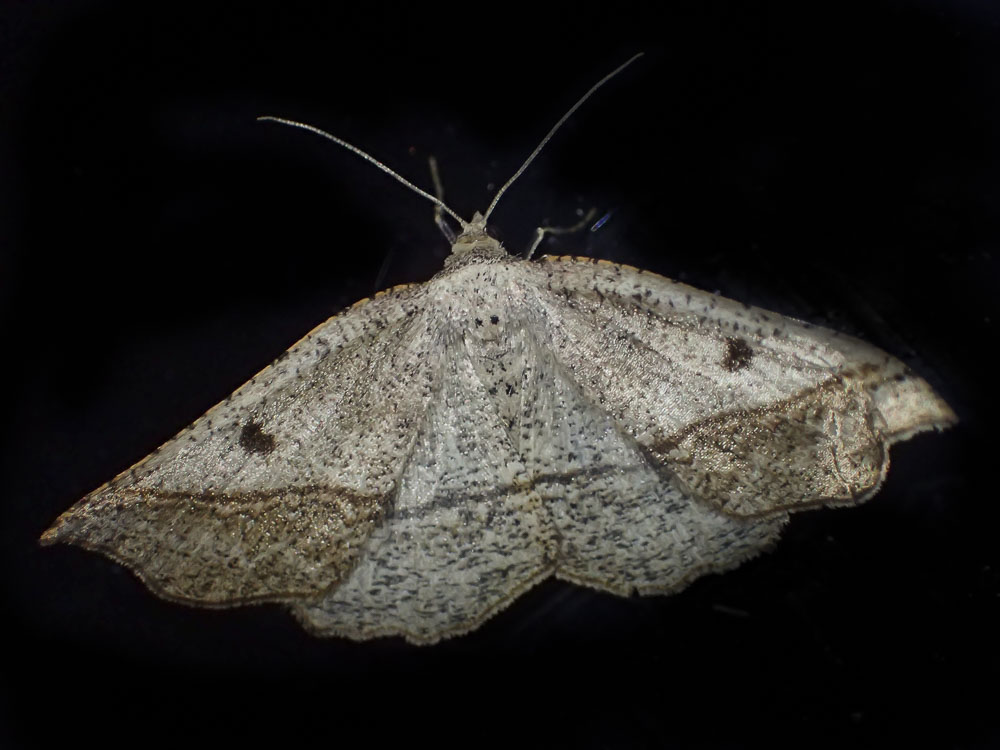
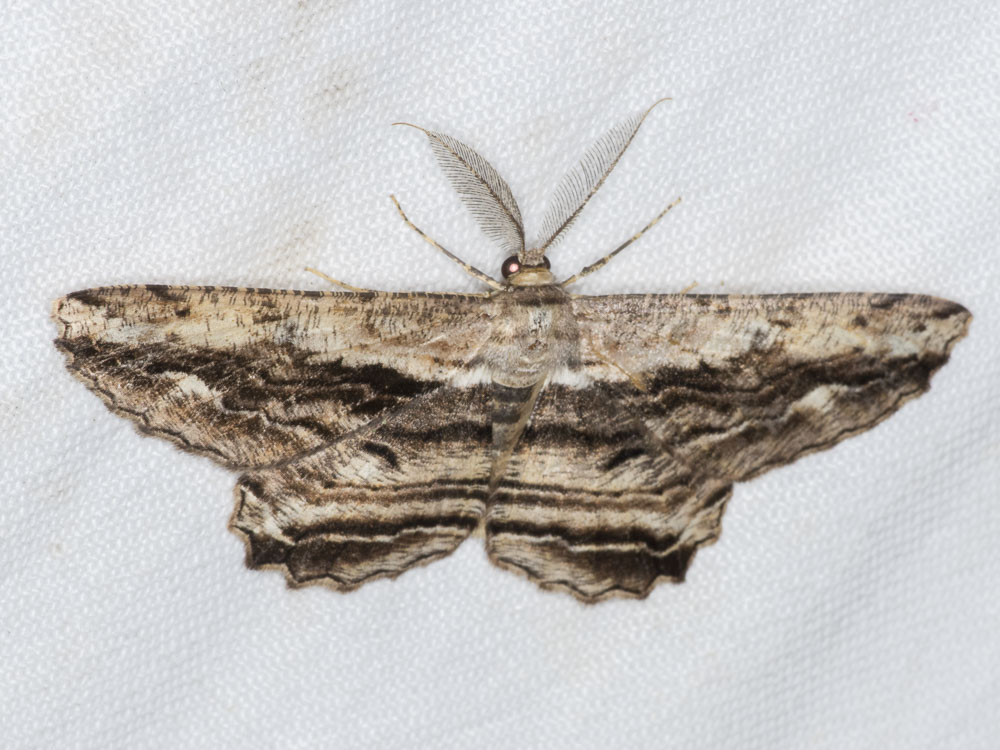
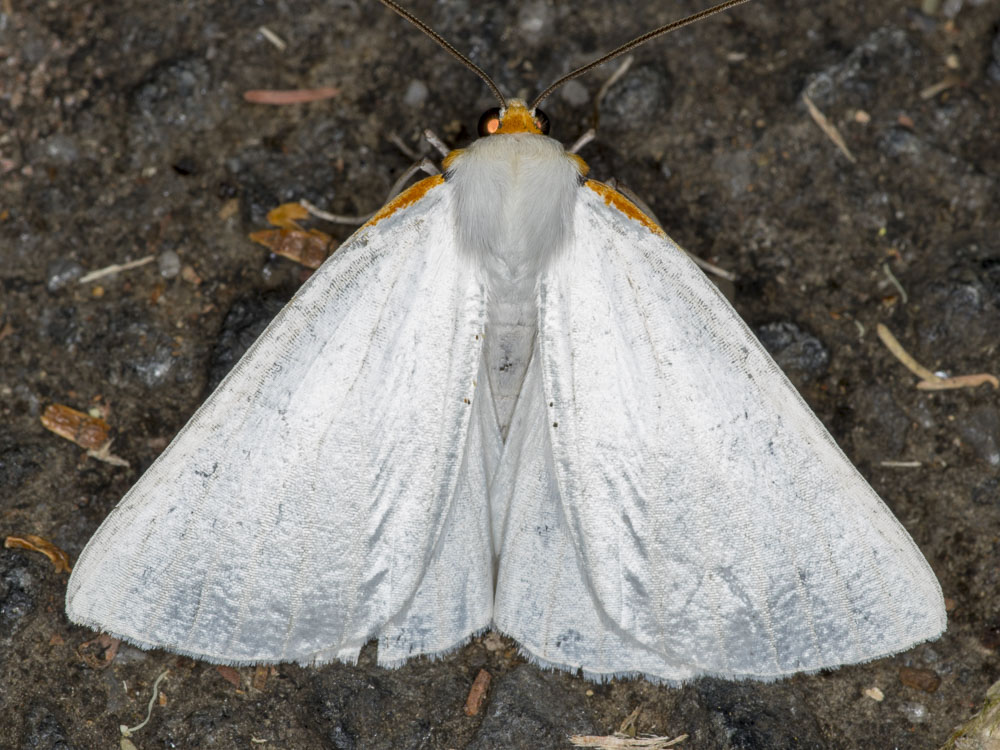
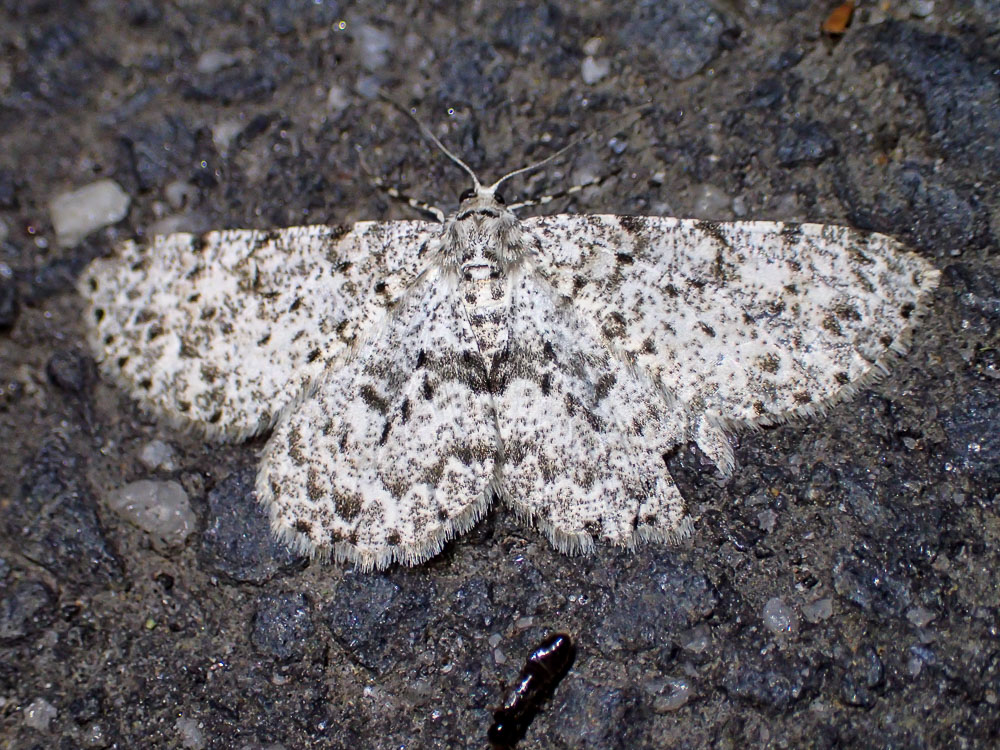
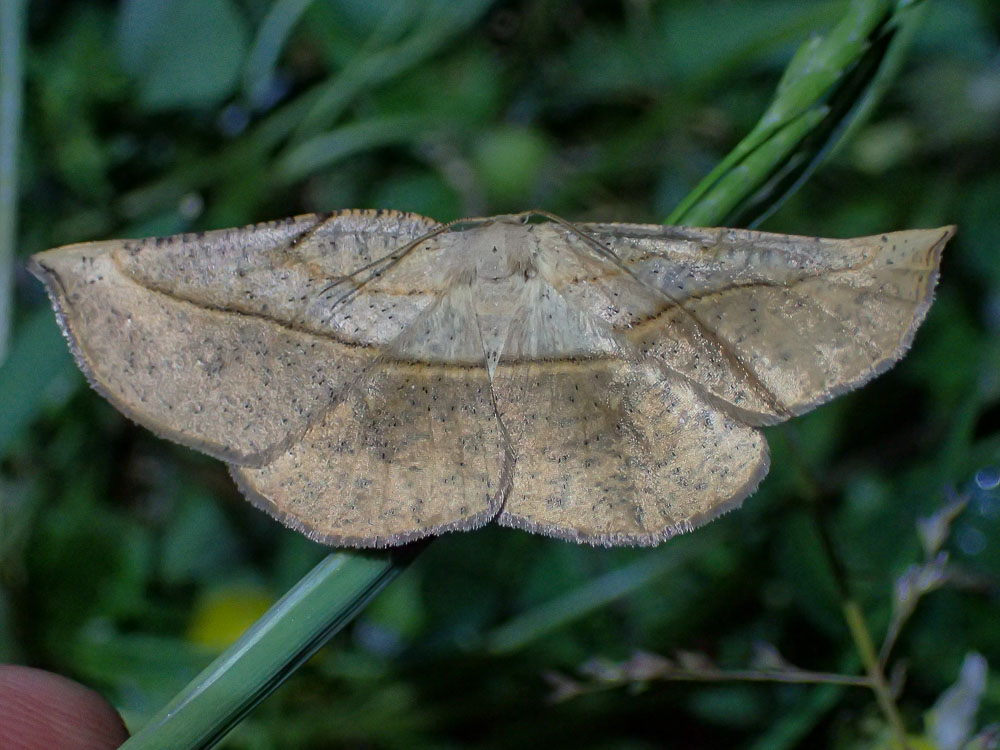
Ennominae are a sub-family of Geometridae. They include tribes Nacophorini (Satin Moths) and Boarmiini (Bark Moths) as well as a number of other smaller tribes.