Another year is coming to a close. We have now planned our events for 2026. The Calendar on this site has been updated. We have included more walks into areas of the park that you may not have been before. The car shuffle walk along Diaper Track is a new addition. We will be having a re-run of our excursion to Middle Creek Falls. Please note that due to unforeseen circumstances, plans can change. If you register for activities we can keep you updated.
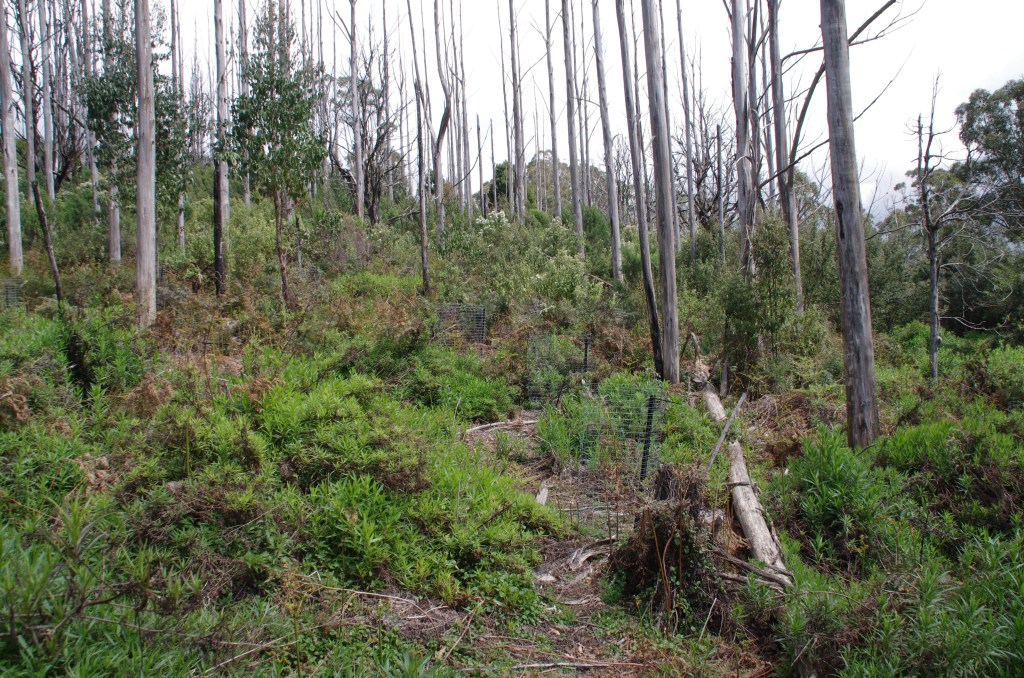
Recently, our group celebrated the completion of a major project that required over a decade of dedication. The project focused on a site on Grand Ridge Road. This site suffered the most severe impact within the park during the 2009 Black Saturday Churchill fire. As a north-facing slope, it absorbed the full force of the blaze. The fire was subdued by the moister vegetation higher up in the National Park. In other areas of the park, where Mountain Ash forests were burned, the fire’s intensity killed the trees. Yet, tens of thousands of seedlings quickly regenerated. They carpeted the ash bed. Unfortunately, this natural regeneration did not occur at our site. The Mountain Ash trees, planted in the early 1990’s, had grown tall. Still, they had not yet matured enough to flower and set seed. This left the area barren after the fire.
Early Recovery Efforts and Challenges
Once the immediate chaos of the fire subsided, the need for site recovery became clear. Fire recovery authorities responded by planting up to 10,000 seedlings across the site. Yet, this effort faced an unexpected challenge. A large population of hungry Swamp Wallabies consumed all the newly planted seedlings. In hindsight, the best approach would have been to aerially seed the site with overstorey species soon after the fire. This method would better mimic natural regeneration.
Launching Our Project
Four years after the fire, our group took on the challenge directly. We successfully applied for a “Communities for Nature” grant to purchase essential materials. Our previous experience taught us that the only way to protect seedlings until maturity was to use 1.2-meter-tall wire mesh tree guards, supported by star pickets. While effective, these guards were costly and labour-intensive to make, transport, install, and eventually remove.
With the grant, we acquired enough materials to construct 336 tree guards and purchase tube-stock. Additional funding allowed us to trial hand direct seeding at the site. The first plantings, carried out by contractors in 2013, were funded through a previous project. In 2014, after receiving our new grant, we began our on-ground efforts. That year, a crew from Conservation Volunteers Australia helped us construct the tree guards. In 2015, we organized our own working bees to build guards and complete the planting and installation.
Ongoing Maintenance and Outcomes
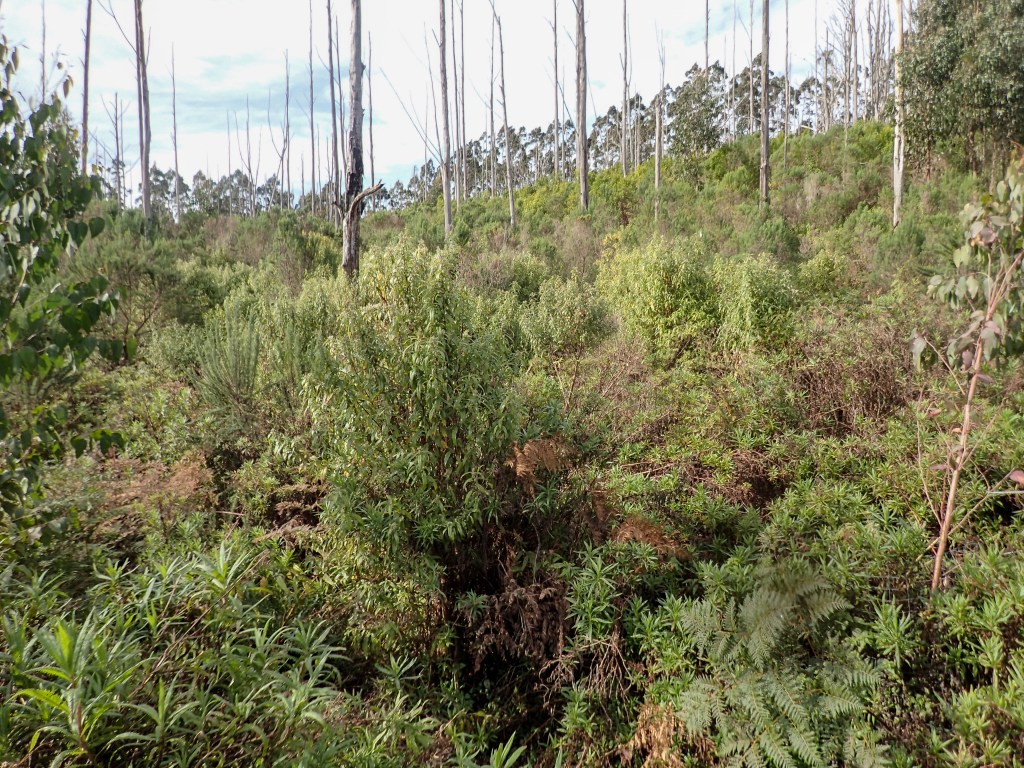
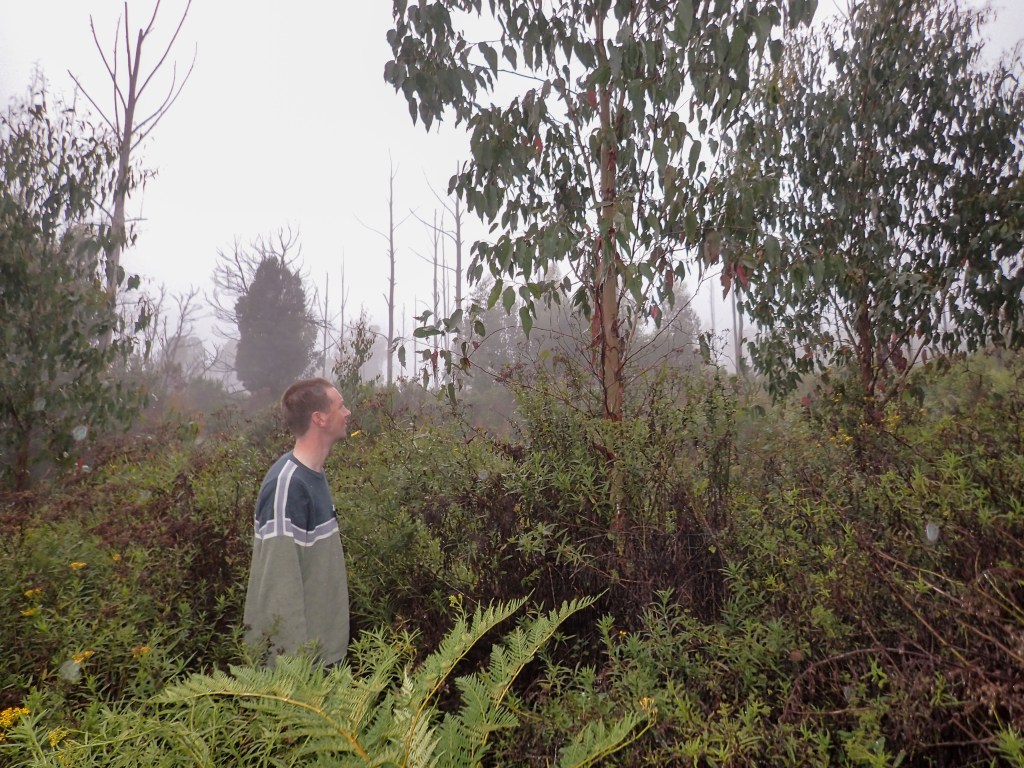
As time passed, undergrowth at the site increased. This made movement and planting more difficult. It also intensified competition for light and space. By the end of 2015, most planting was finished, and our focus shifted to site maintenance. From 2016 onward, we began removing guards from trees that had grown tall enough to survive unaided. In cases where seedlings died, we replanted as needed.
While most aspects of the project went according to plan, we did face setbacks. The site was initially littered with dead stags of immature Mountain Ash, which sometimes fell and damaged our tree guards. Additionally, the site was exposed, causing some newly planted trees to be blown over by strong winds. This happened despite the trees growing impressively tall. Fortunately, these losses were limited, and overall, our efforts have been a success
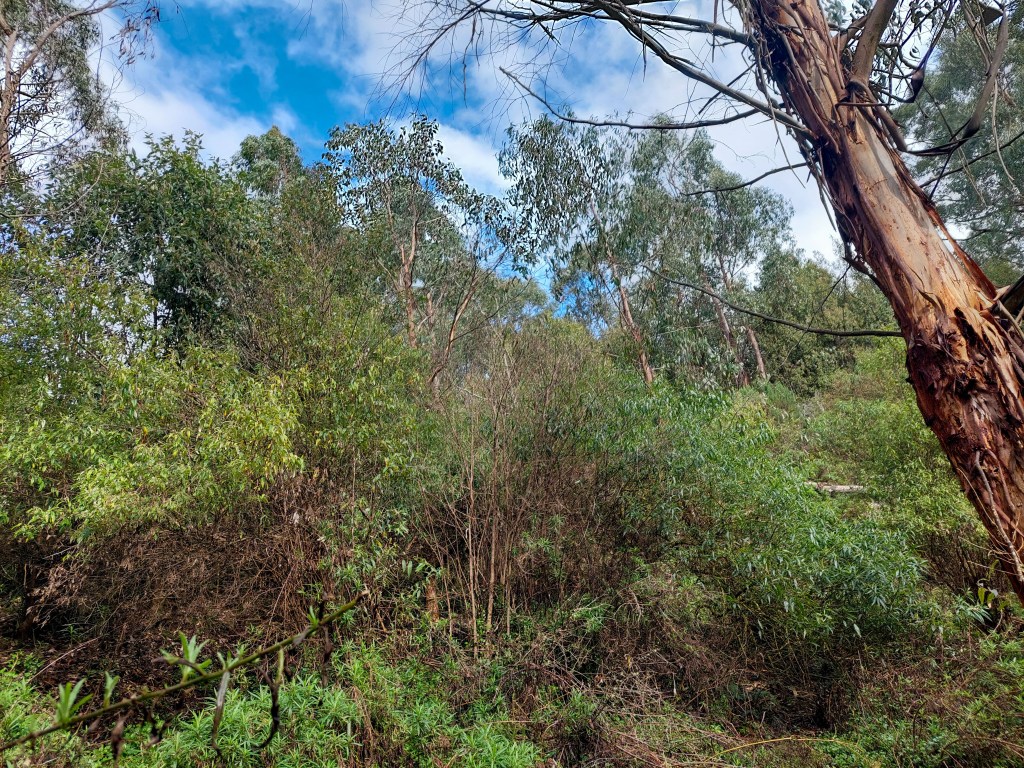
27th July 2024Inspecting a burnt site 5 months after the fire.July 2009 partial view of the site from the Grand Ridge RdPhotomonitoring point May 2010Photopoint May 2010October 2013 showing dead Mountain ash trunksPanorama showing dead mountain ash trunksOctober 2013 after first guarded trees had been planted by contractorsJuly 2015 Dead Mountain Ash in backgroundJuly 2015 Trunk from Dead Mt Ash has fallen and crushed new planitng. Feb 2016 some new plantings growing rapidlyFebruary 2016 Planted trees starting to emergeFeb 2016 Thickets of shrub regrowth make getting around the site much more challenging.June 2016 Regrowth of new trees show the site is transforming. July 2016 showing progressFebruary 2018July 2019 – Tree guard overdue for removal.July 2019 Another tree-guard overdue for removal27th July 2024Fire Recovery Project Site 27th July 2024
On Saturday 18th of February, Friends of Tarra-Bulga National Park held our annual invertebrate Survey (Bugblitz). Conditions were good with temperatures in the low to mid twenties. About a dozen eager participants were ready to go bug hunting. This included a few members of the Entomological Society of Victoria. They were waiting when I arrived at the Visitor Centre just after 2 pm. I was a few minutes late. The Visitor Centre was a great place to start. While they were waiting, some observant people noticed an abundance of insects. These insects were roosting on the walls and windows. It was unusual to see a hundred or more fresh-looking Geometrid moths. These moths turned out to be a species called Chrysolarentia lucidulata (Lucid moth). Most of them were perched on verandah beams.
Once we had admired the visitor centre bugs we set off as a group along Lyrebird Ridge Track. We had a beating sheet with us to catch insects we tried to dislodge by lightly beating likely looking bushes. The sheet was unnecessary to start with. Several sharp-eyed children in our group were very skilled at spotting enough tiny creatures. They kept everyone interested. Their finds included some young Katydids and a variety of caterpillars. We continued our survey towards the suspension bridge. The group eventually thinned out. This was understandable as the younger ones began to tire. The beating sheet was then put into more use and continued to produce new and interesting observations. By the time we had completed a relatively short loop back to the visitors centre it was around 5.15 pm (so we covered about 2 km of ground in 3 hrs). A few of us stayed around and had some dinner but apart from myself, all the afternoon crew then departed. Before Dusk Ken and Matt from Friends of Morwell National Park (as well as the Entomological Society of Victoria) arrived. I set up a light sheet in the Visitors Centre car park. Ken and Matt set up one at the top of the Bulga Picnic area road. This road is currently closed. The wind had been a little breezy during the day. Thankfully, it became lighter in the evening. This meant less flapping for the light sheets. Out of the two light sheets for some reason the one at the Visitor Centre area attracted more activity. I saw a little more sheet action. Meanwhile, a Boobook owl came to perch nearby Ken and Matt. It observed their activities. Ken and Matt kept their light going until just before 11 pm and I continued recording until just after midnight.
It took a couple of weeks for all of the observations to get added to iNaturalist. Overall, we recorded at least 180 species of Arthropods. On the same activity last year, we recorded 158 species (we had our light sheet in the Tarra Valley). As a result of our efforts, we increased the number of Arthropod species recorded in the Park on iNaturalist. The number rose from 745 to 776. We added 21 new species to the list. The ensuing slideshow has some of the species recorded in Tarra-Bulga National Park for the first time on iNaturalist. To see all of the observations on iNaturalist from the day click here.
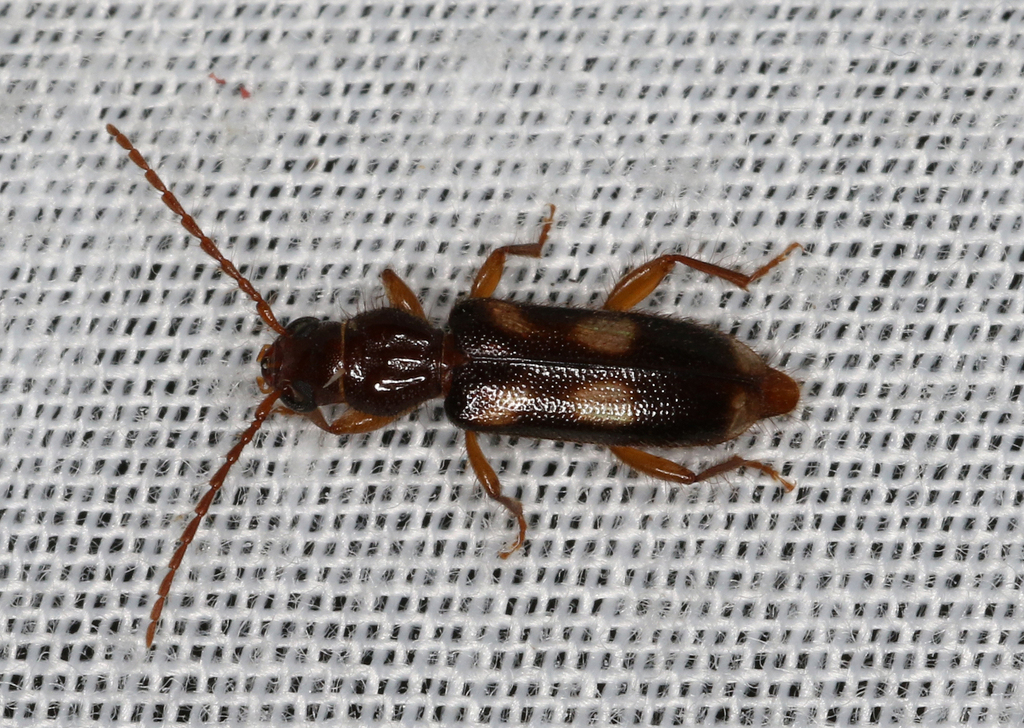
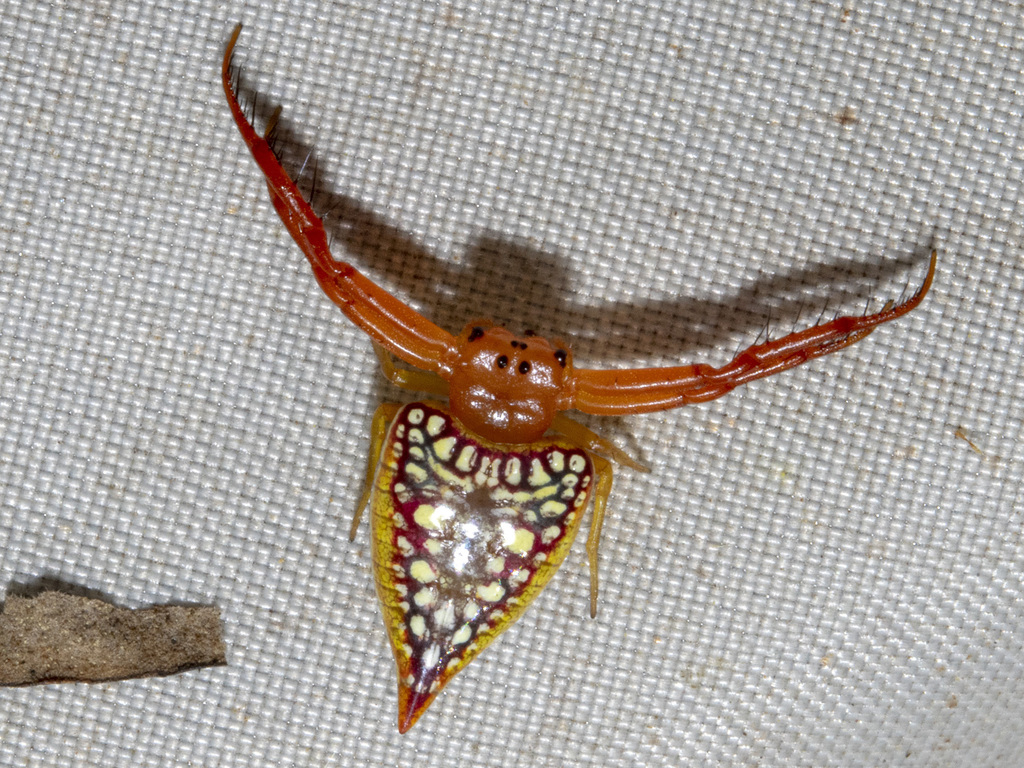
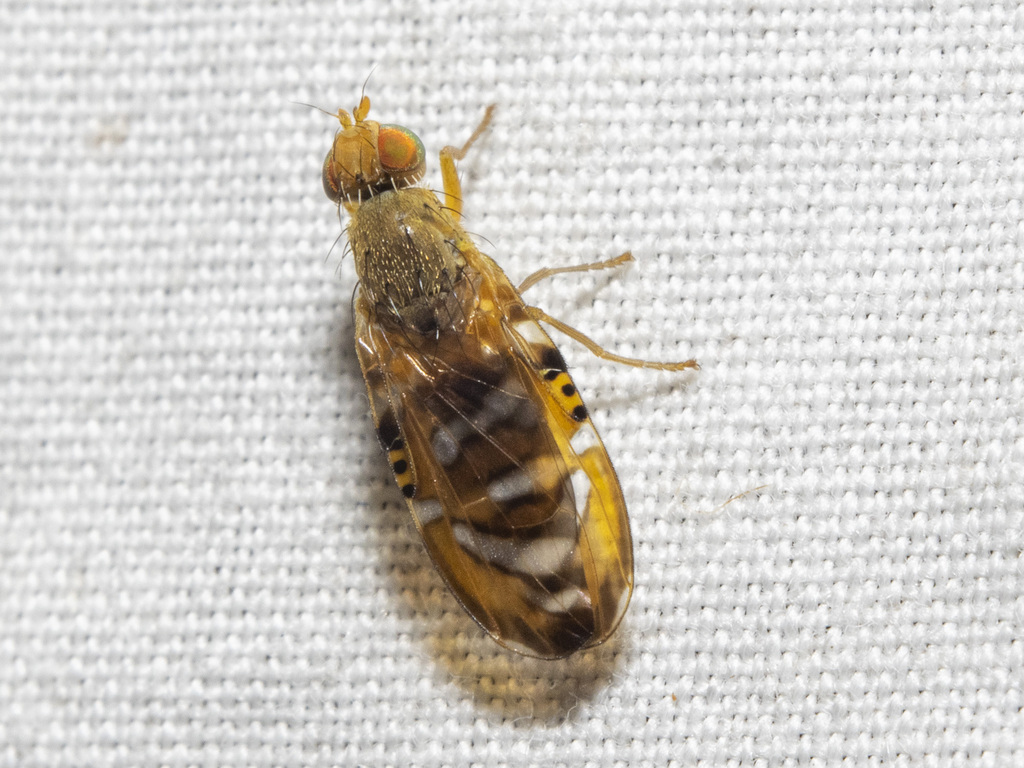
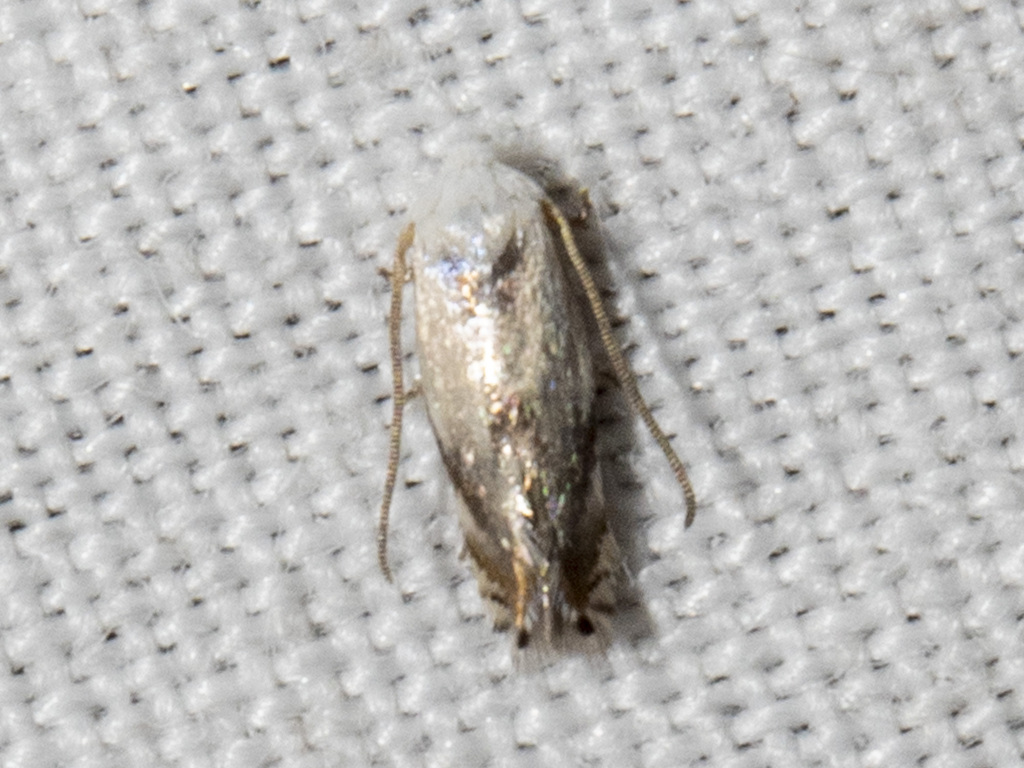
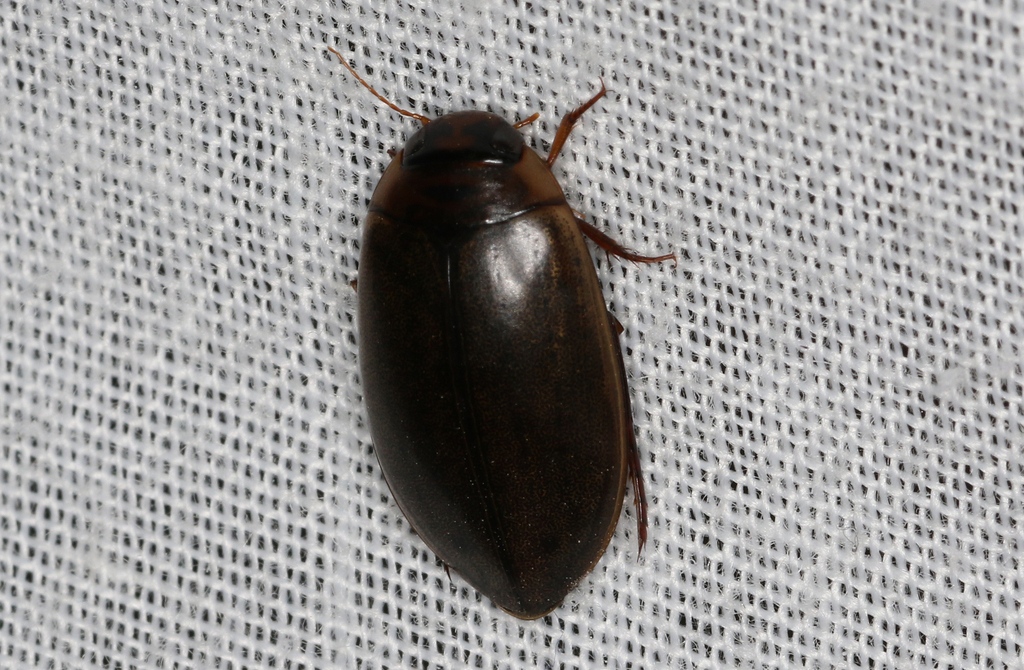
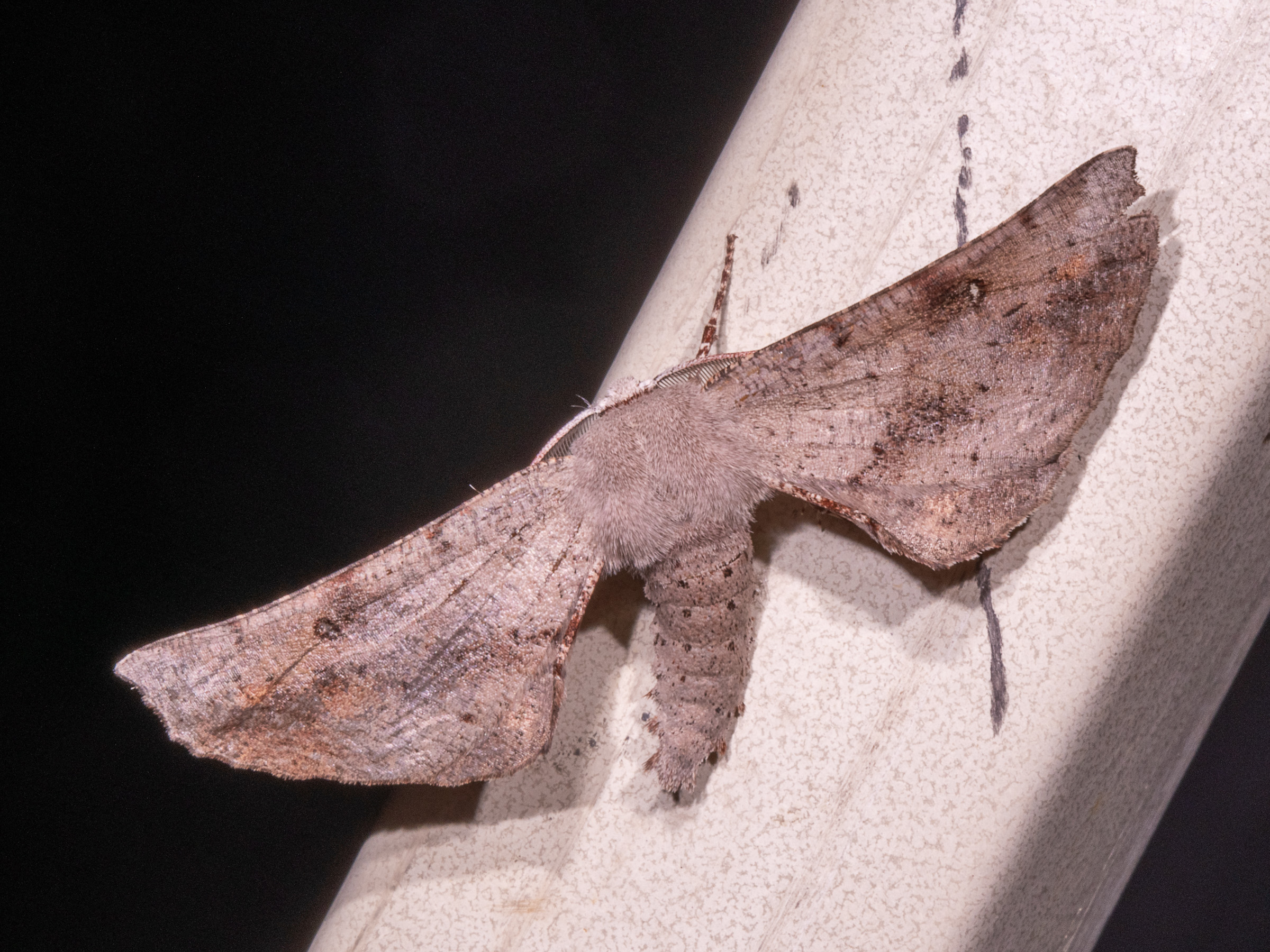
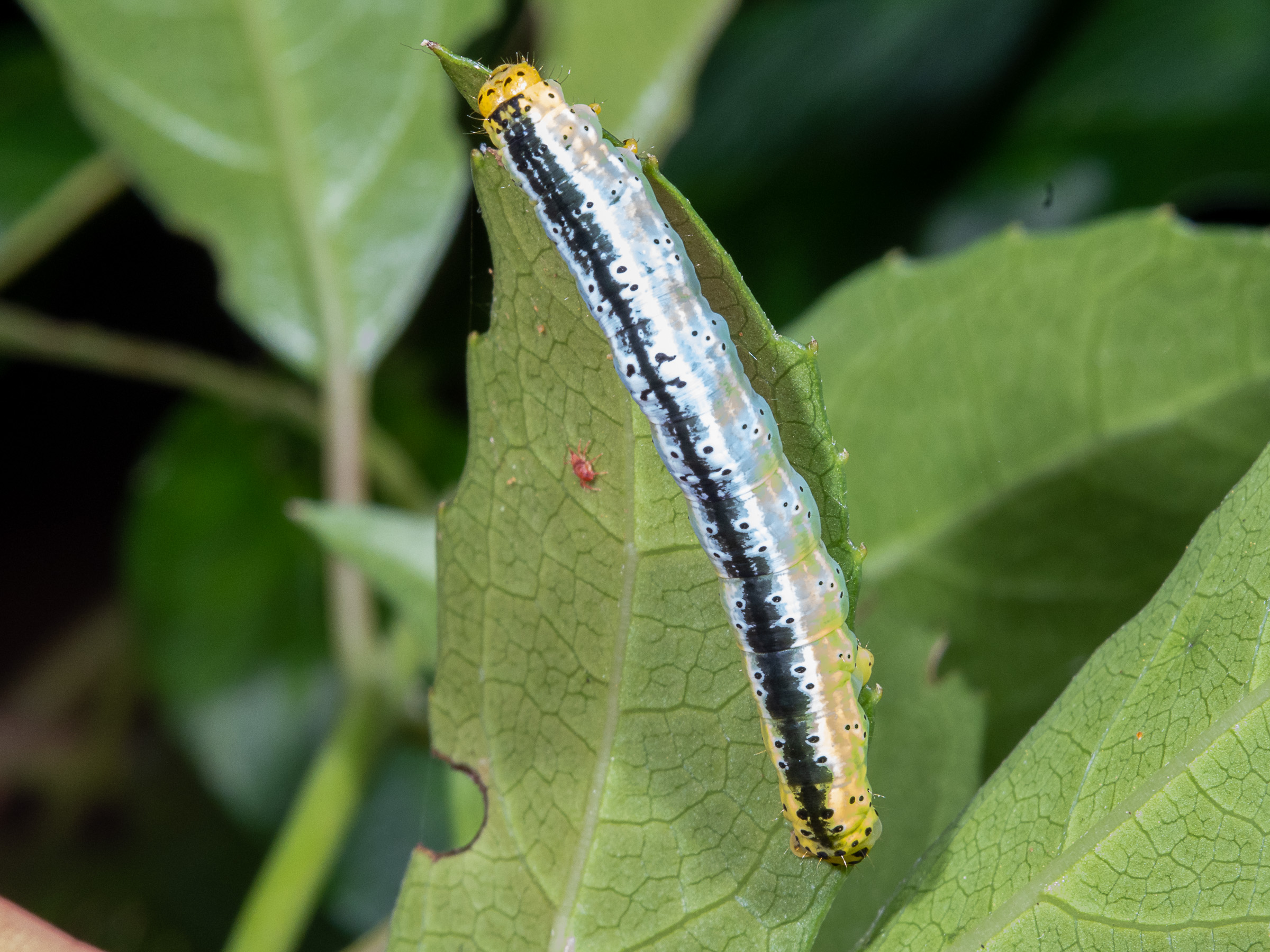
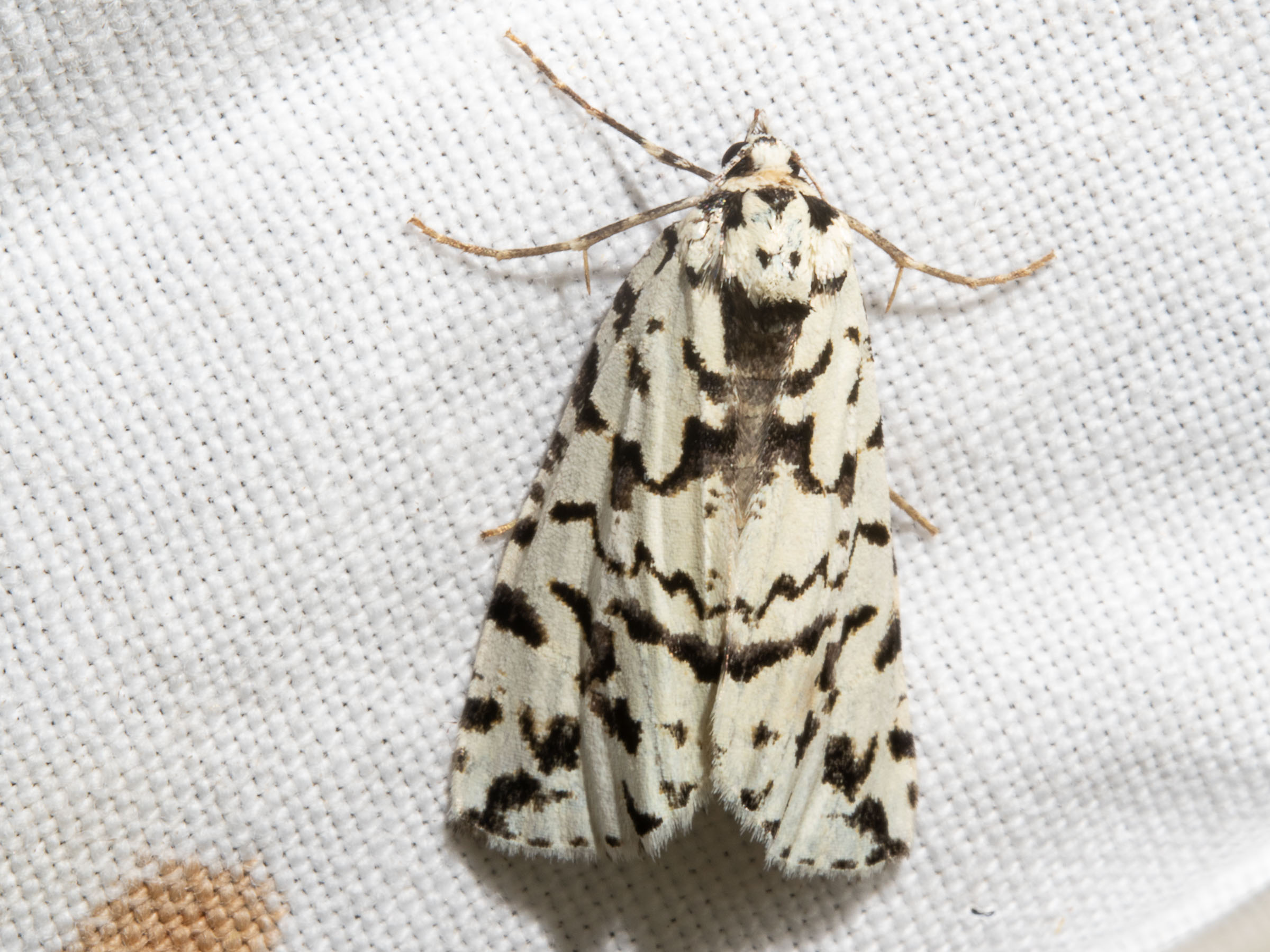
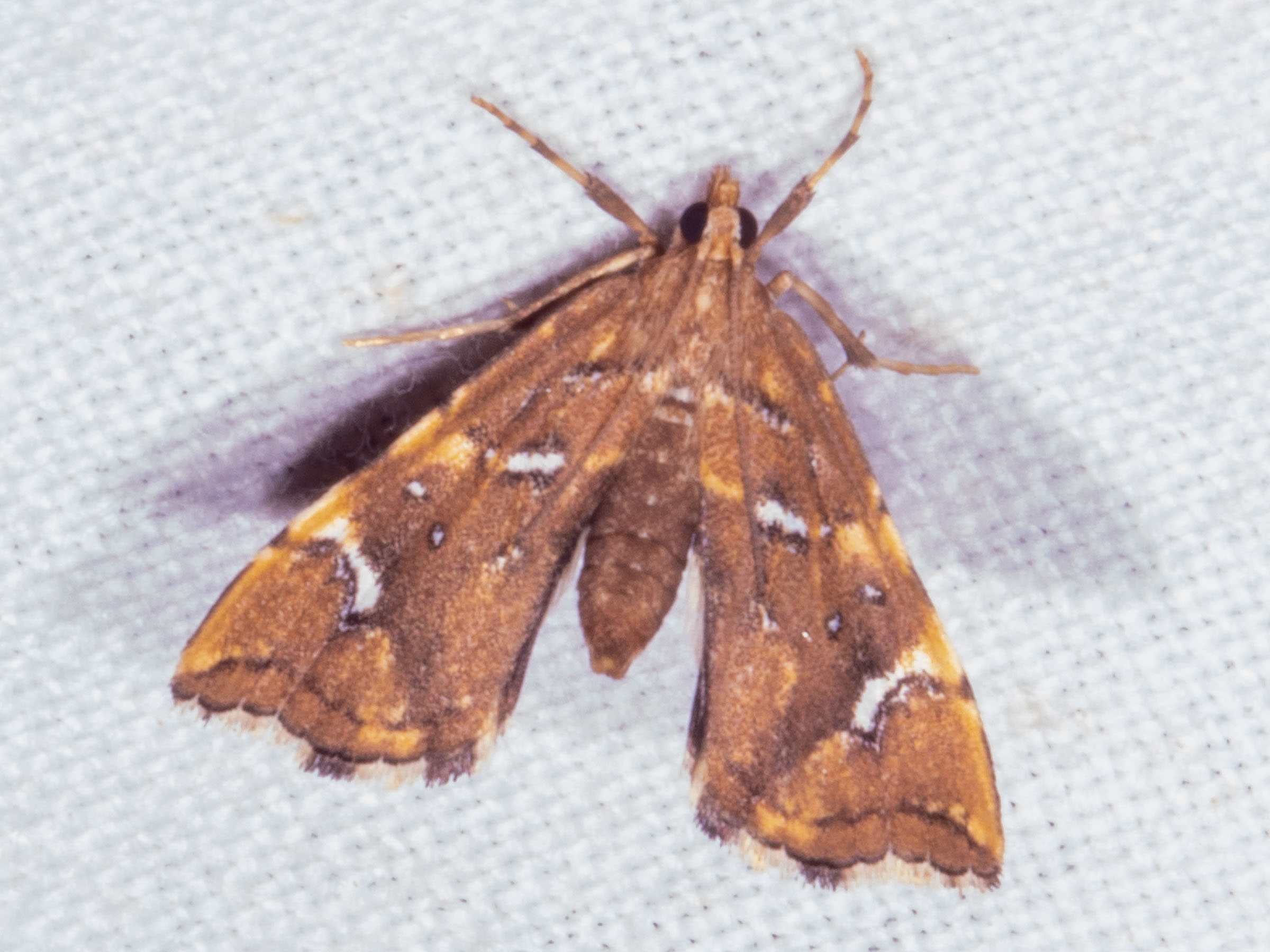
Acrocercops sp.Adrium artifex – Photo Matt CampbellArkys walckenaeriDusonaEctropis despicata – Photo Ken HarrisEpicyrtica leucostigmaErechthias diaphora – Photo Matt CampbellEutorna eurygrammaAristaea sp.Oedaspis spp. (fly)Opostegoides gephyraea – Photo: Sharon DoddOpostegoides gephyraeaPedois humeranaRhantus suturalis – Photo; Matt CampbellScoparia favilliferellaSinpunctiptilia emissalisThema chlorochyta
On Sunday July 10th we held our first Mid Winter Walk with the aim of learning more about some of the ferns, mosses, liverworts and lichens that are often overlooked features of the biodiversity in Tarra-Bulga National Park. If you want to see the full complement of photos from the day check out the Tarra-Bulga National Park project on iNaturalist. You may be even be able to help with identifying some. https://www.inaturalist.org/observations?q=Mid%20Winter%20Walk%202022&search_on=tags Otherwise you can check out the photos here to get an idea of what we saw. Although we were not specifically looking at fungi we did also come across a lot of photogenic fungi so some photos of them have also been included.
Note that it can be difficult to identify Mosses and Liverworts (both different groups of plats) in the field, some species need microscopic examination to see their features. Ferns are a bit easier as they are larger and although they dominate the landscape there are only around 40 species in the park. Lichens are not actually plants but are are organisms composed of fungal and photosynthetic partners.
Volunteers spent the day and night On Saturday February 5th using a range of techniques to see what living things could be found. From the day a whopping 428 observations were added to the Tarra-Bulga National Park project on the citizen science website www.iNaturalist.org. A number of plant and fungi species were recorded, but the vast majority of records were for an amazing array of insects and other invertebrates. Many finds that were uploaded to the website are still to be identified but so far, we can confirm that we have recorded at least 215 different species for the day, roughly 60 of them had never previously been recorded at Tarra-Bulga.
The day’s focus was mainly on invertebrates, other planned activities for the year aim to add to the flora and fauna records for the park, these include a fungi foray in May, a mid-winter walk looking at ferns and mosses, and a plant identification day as well as bird survey in spring. As well as these activities, Friends of Tarra-Bulga hold regular working bees and are always on the lookout for people interested in joining our crew of volunteers that staff the park Visitor Centre.
.
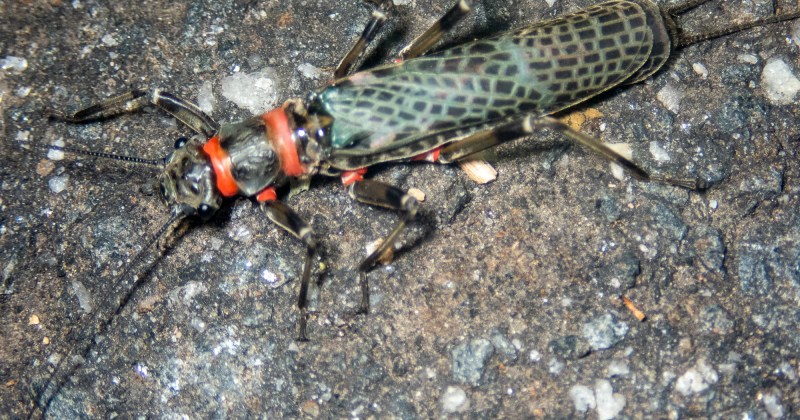
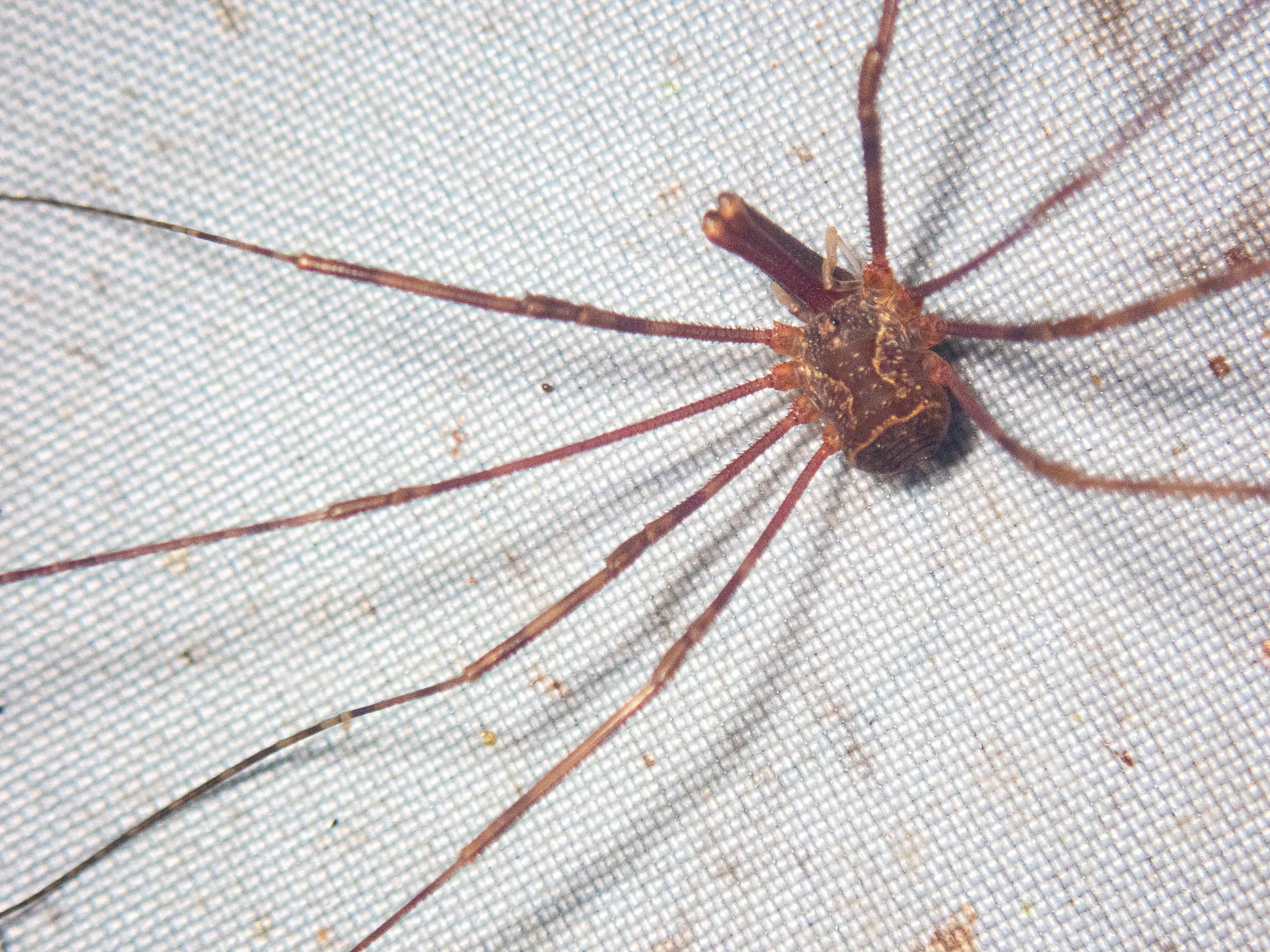
Megalopsalis stewartia – A HarvestmanEusthenia venosa (Stonefly)Telephlebia brevicauda – Southern Evening Darner (dragonfly)Circopetes obtusata – Grey Twisted MothXenomusa monoda – Caterpillar that feeds on Austral Mulberry bushes
Eupithecia aphanes – Very rare species – very few previous records for VictoriaAustrosaropogon nigrinus – (A Robber Fly) Tipuloidea spp. (Cranefly)Only one mammal was recorded on the day – (This Koala)Archephanes zalosema – A moth, its caterpillars feed on Mountain PepperMusotima nitidalis (Golden Brown Fern-moth)
The following Table shows the range of lifeforms we recorded on the day.
It’s not too late to sign up for our Bio-blitz. This Saturday (February 5th) Where we will aim to record as many species of any lifeform (Insects, Birds, Plants, Fungi etc) we can find on the day. We will use the Citizen Science Website/App iNaturalist https://inaturalist.ala.org.au/ to log our findings. Conveniently the site already has a Tarra-Bulga National Park project set up that automatically records any sightings made within the Park. https://inaturalist.ala.org.au/…/tarra-bulga-national-park
As you can see it is well established already with 5.350 observations and 1,170 species recorded. We will aim to use a number of survey techniques to find as many species as possible. I think 200 species would be a good result for the day.
With iNaturalist you can download the App and upload sightings directly from a phone or you can upload any photos you take on a camera when you get back home and upload them via the website later on. If you don’t want to log your own sightings feel free to just come along and observe.
Do bring food for the day, as well as any cameras, binoculars etc that you would like to use. Contact 0488 035 314 for further information.
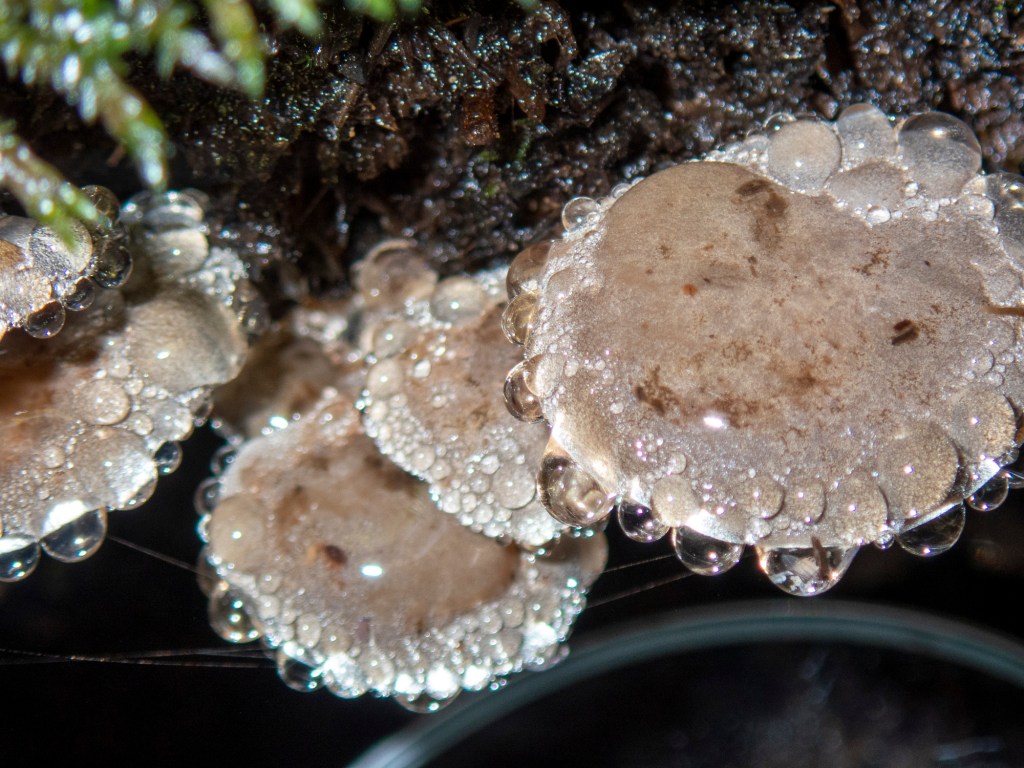
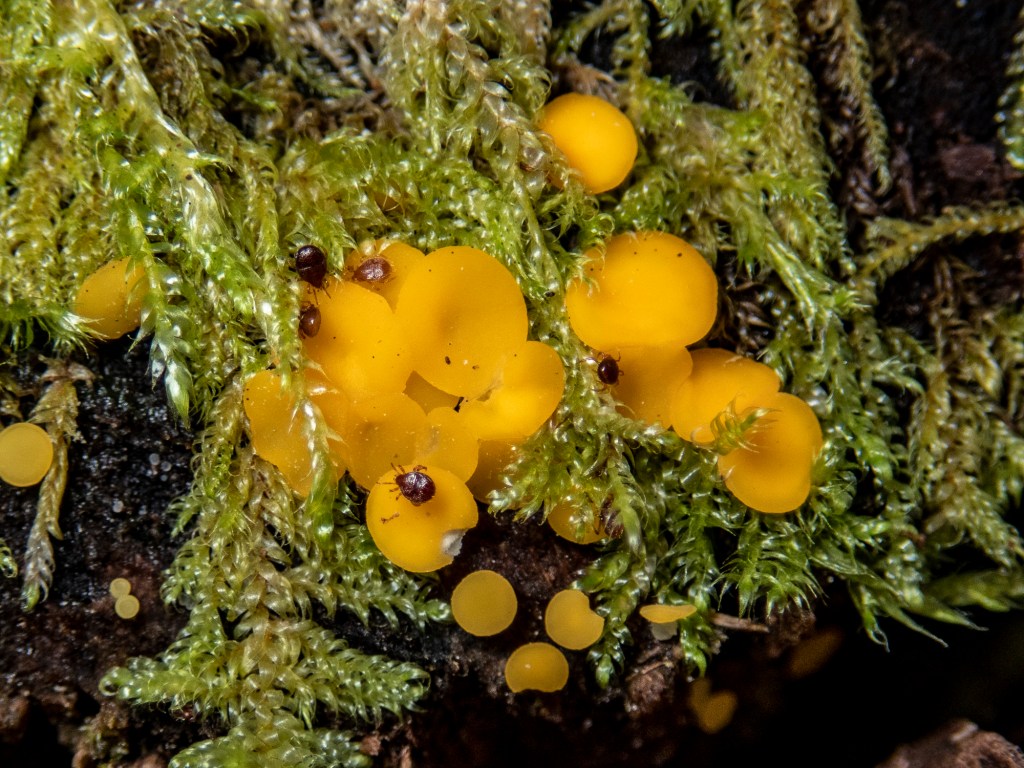
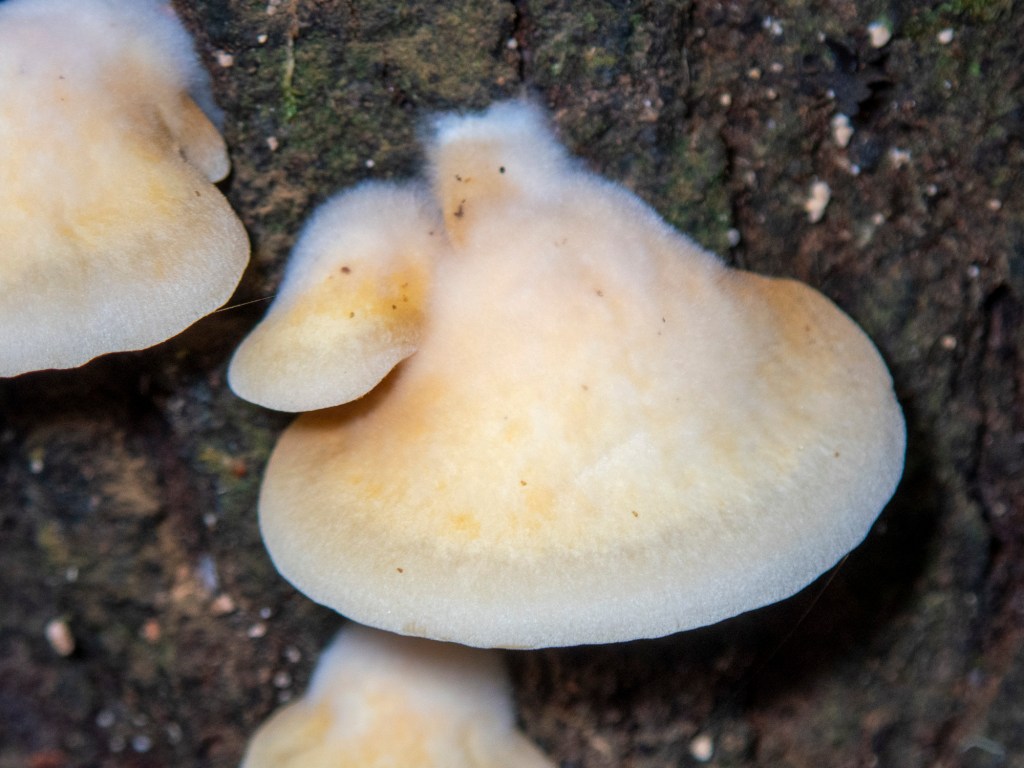
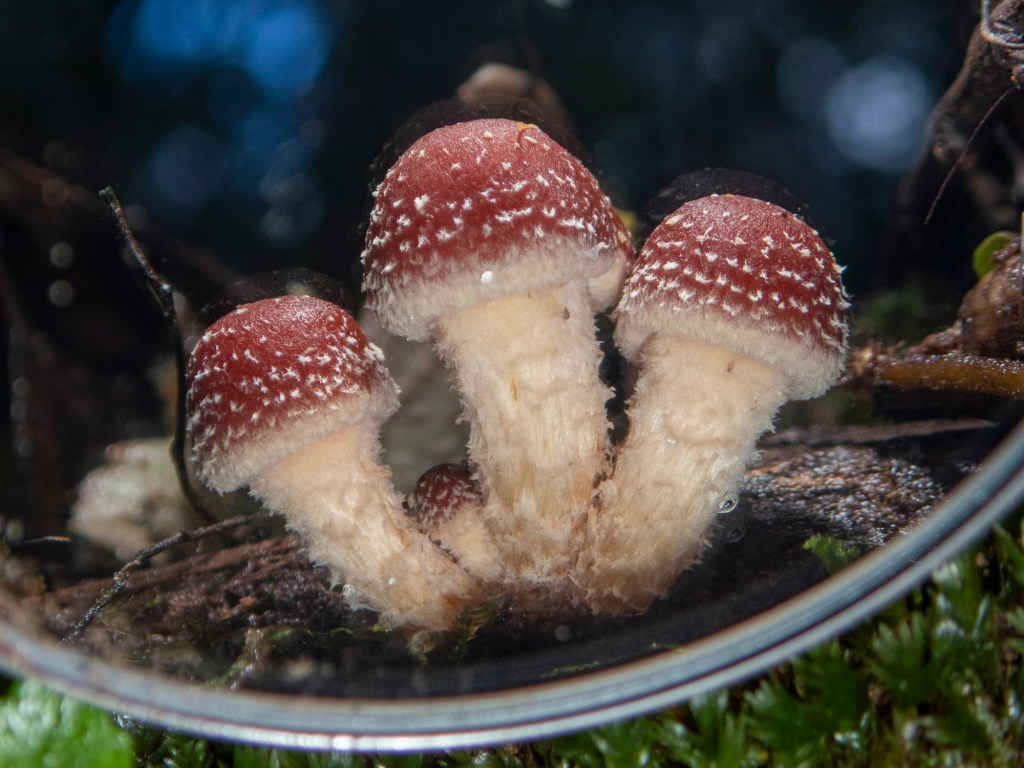
On Sunday May 9th we held a fungi foray starting at Bulga Park. The conditions were favourable and we had a great turn out with 30 people signed up and ready to go at 9.30am. After an introductory presentation we set off for a very slow loop down to the suspension bridge, returning via the Fern Gully and Link Tracks. Understandably some families with small children and others with Mother’s day lunch commitments dropped out along the way, but even on a short walk they would have experienced a wide variety of fungi displaying their spore bodies.
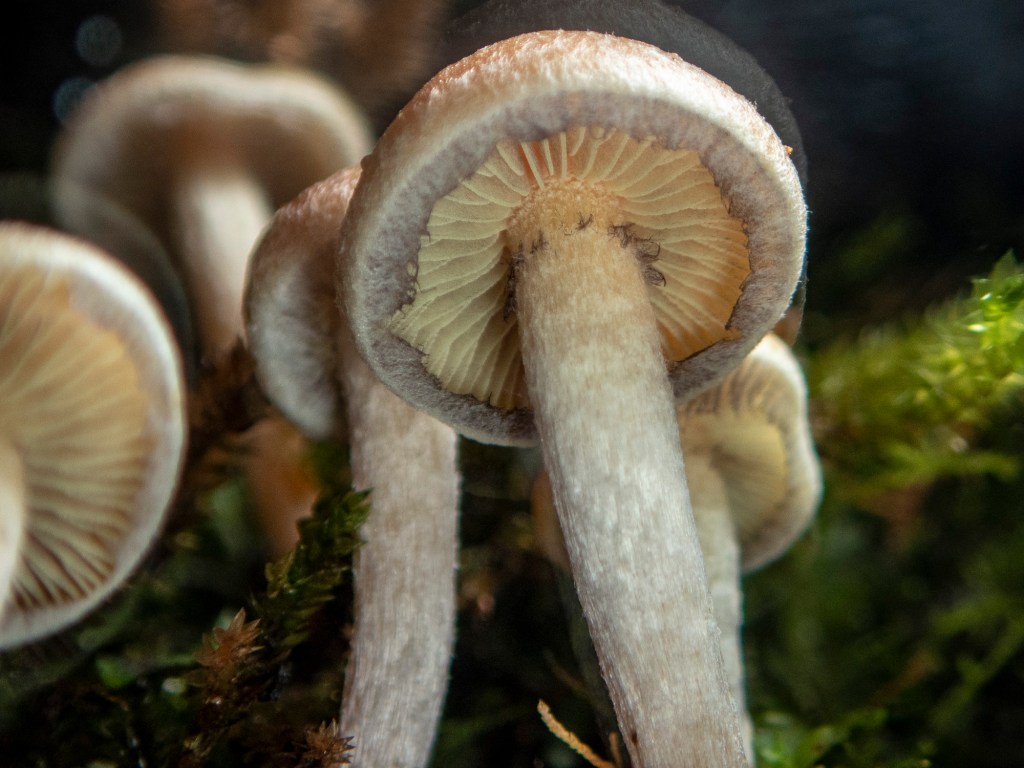
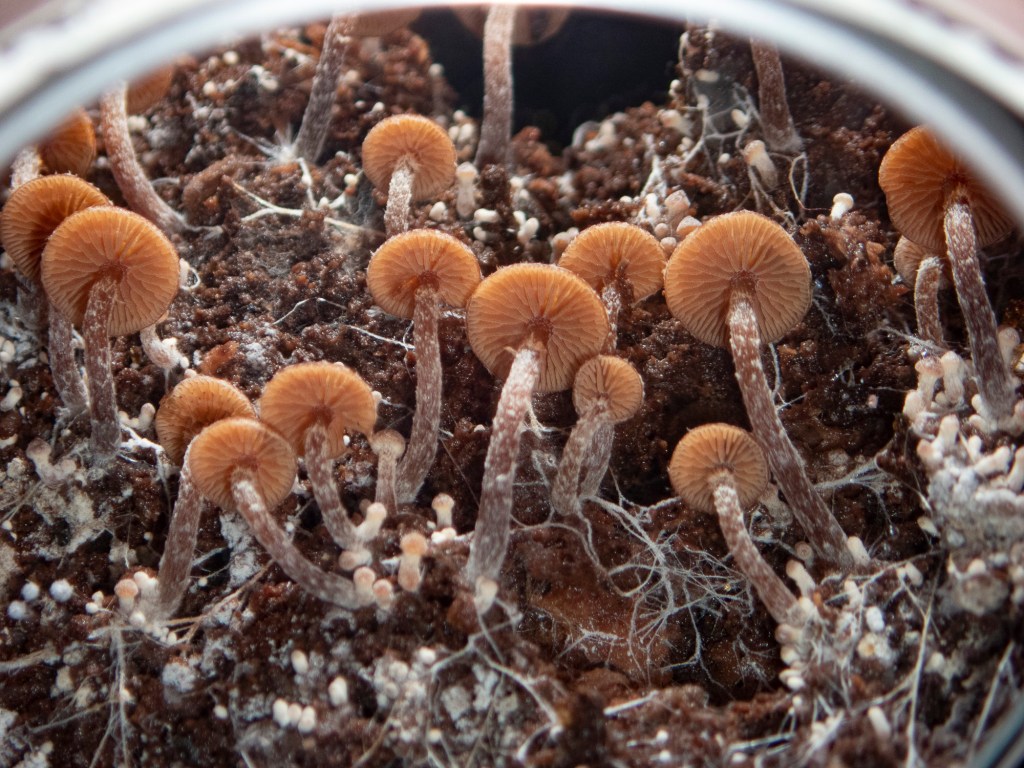
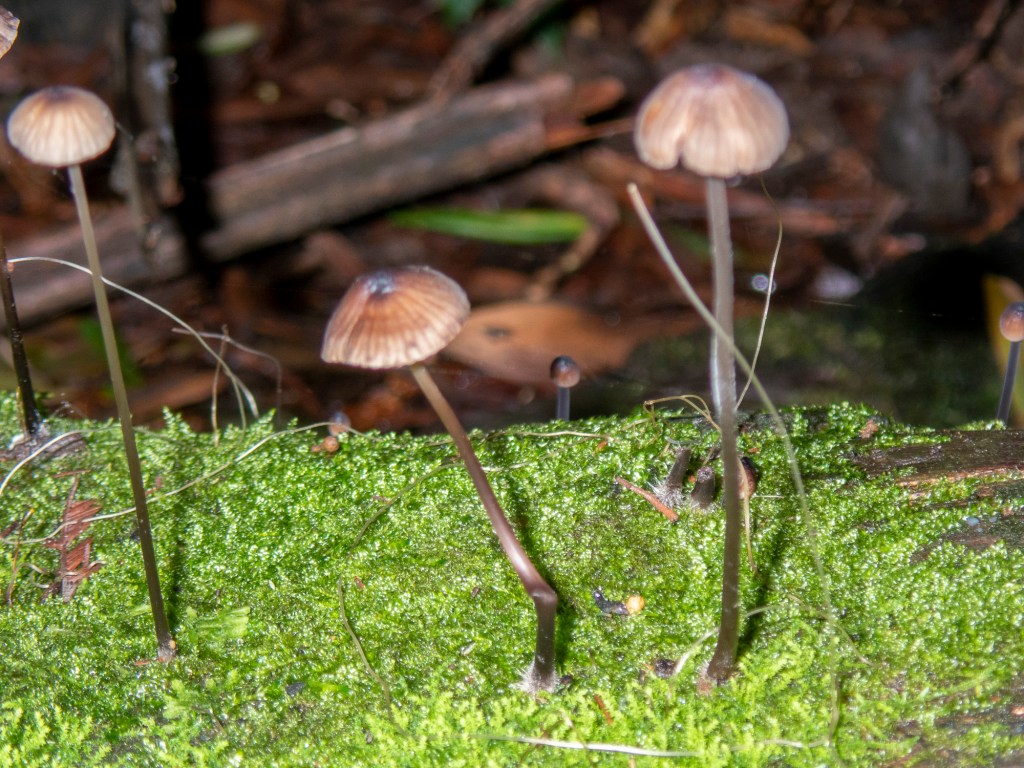
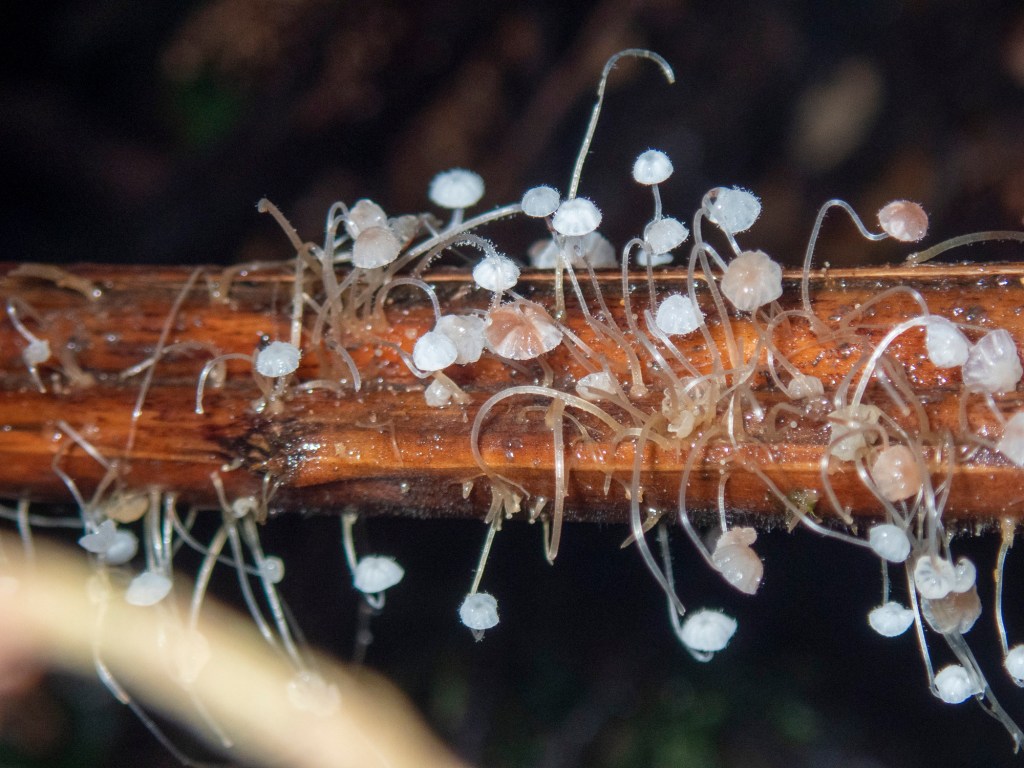
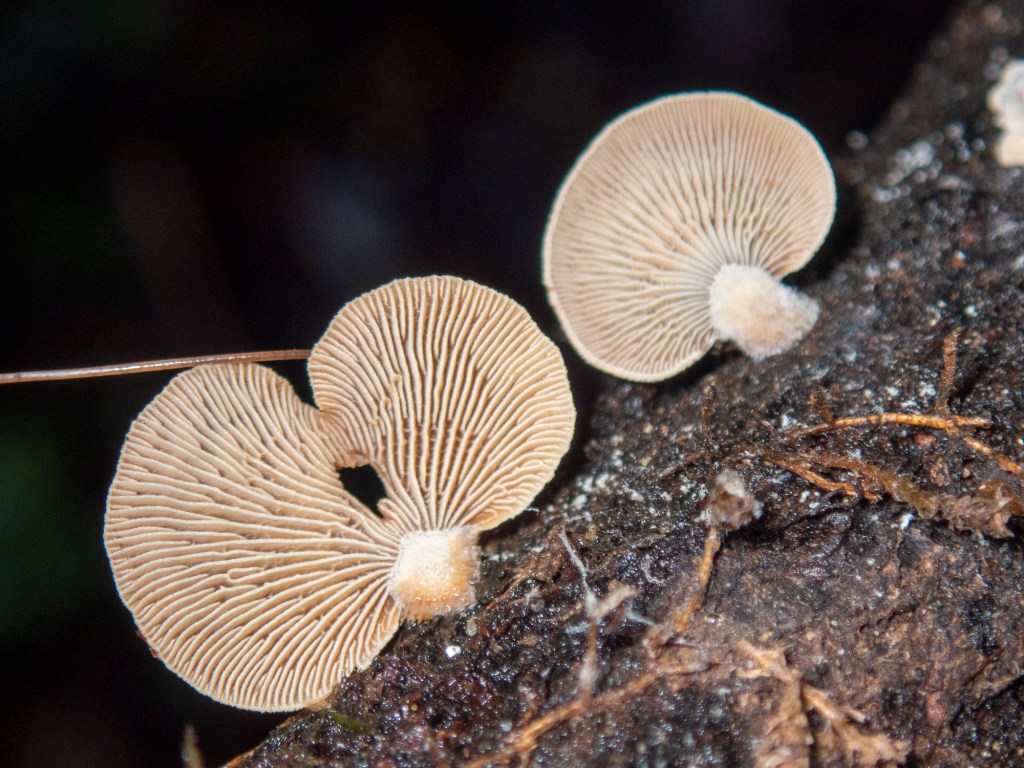
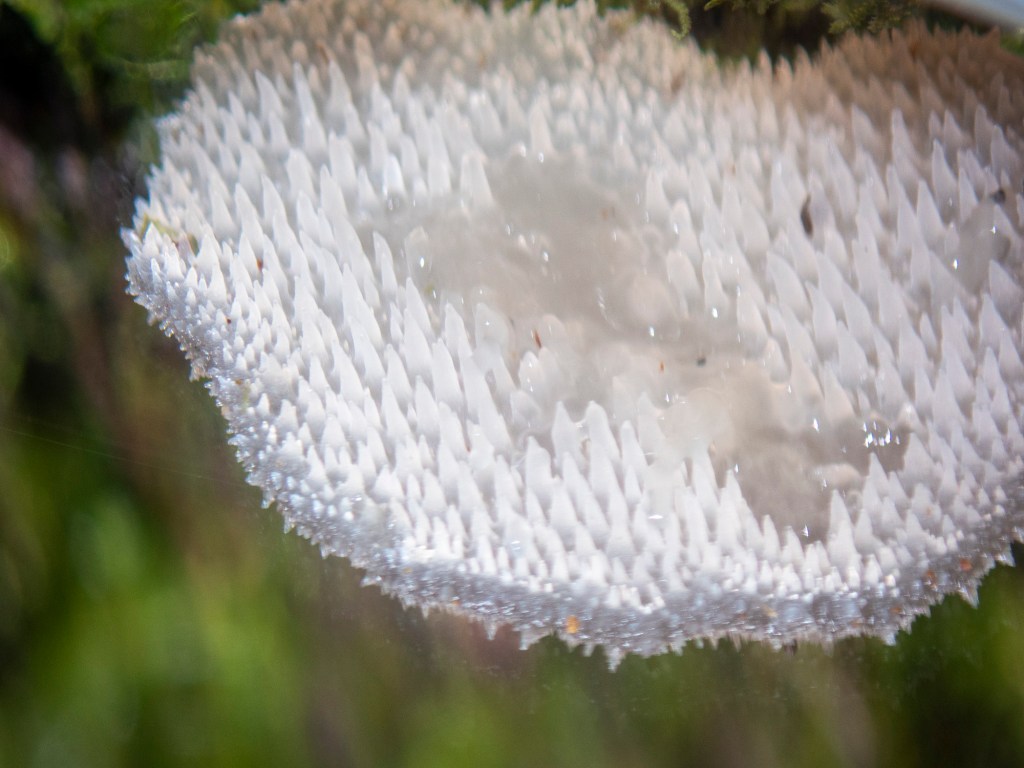
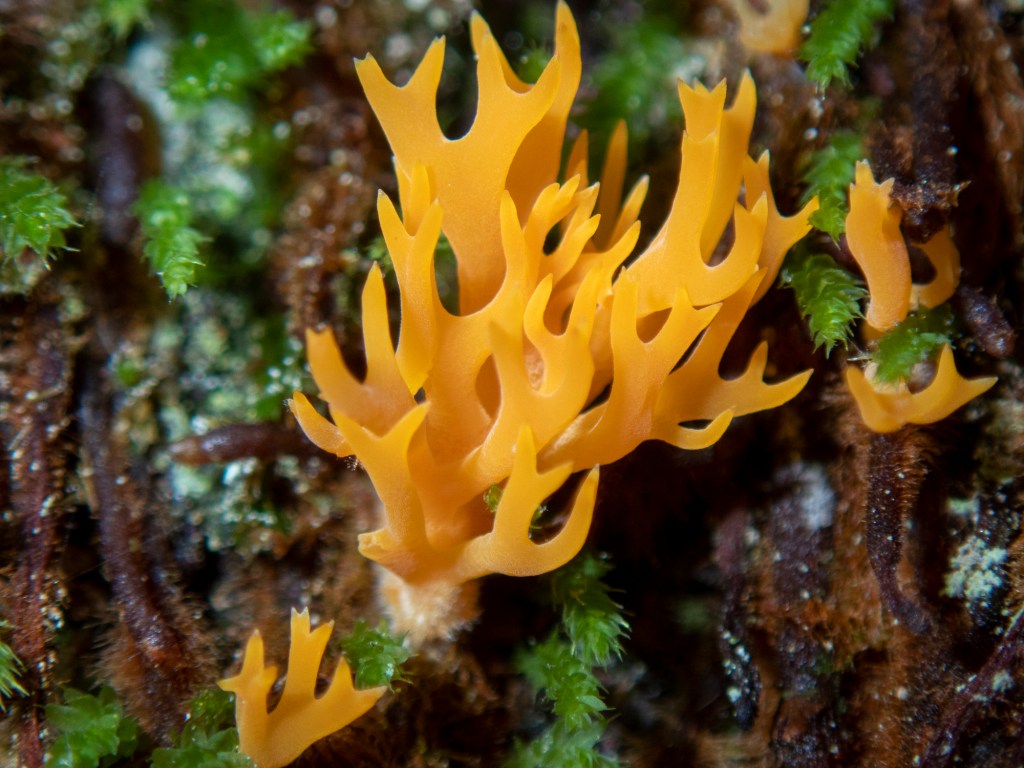
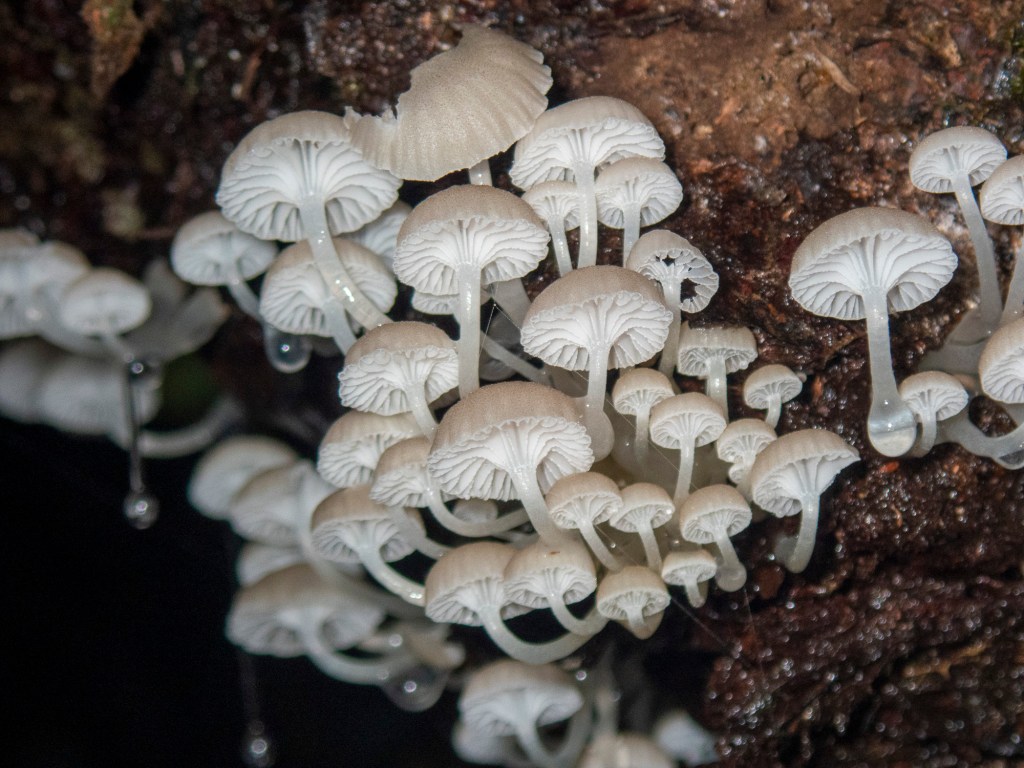
It has been a big job documenting the finds, between my daugher and I we have added over 170 sightings to iNaturalist for the day https://www.inaturalist.org/projects/tarra-bulga-national-park This includes sightings from the Tarra Valley (I couldn’t resist checking out what fungi could be seen there as I was going past on my way home). Overall the total species recorded to date is 68! I wonder if anyone that attended has got photos of species that we missed? Anyway enjoy the gallery below which contains some examples of the variety of fungi seen on the day.

































 Friends of Tarra-Bulga National Park