

Project Completion and Background
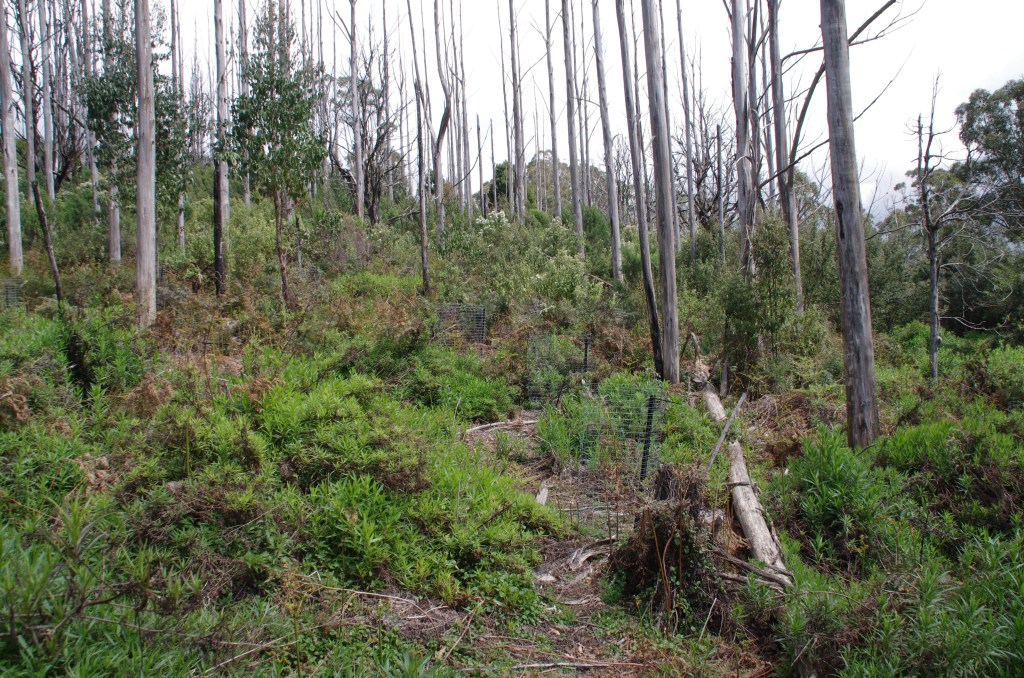
Recently, our group celebrated the completion of a major project that required over a decade of dedication. The project focused on a site on Grand Ridge Road. This site suffered the most severe impact within the park during the 2009 Black Saturday Churchill fire. As a north-facing slope, it absorbed the full force of the blaze. The fire was subdued by the moister vegetation higher up in the National Park. In other areas of the park, where Mountain Ash forests were burned, the fire’s intensity killed the trees. Yet, tens of thousands of seedlings quickly regenerated. They carpeted the ash bed. Unfortunately, this natural regeneration did not occur at our site. The Mountain Ash trees, planted in the early 1990’s, had grown tall. Still, they had not yet matured enough to flower and set seed. This left the area barren after the fire.
Early Recovery Efforts and Challenges
Once the immediate chaos of the fire subsided, the need for site recovery became clear. Fire recovery authorities responded by planting up to 10,000 seedlings across the site. Yet, this effort faced an unexpected challenge. A large population of hungry Swamp Wallabies consumed all the newly planted seedlings. In hindsight, the best approach would have been to aerially seed the site with overstorey species soon after the fire. This method would better mimic natural regeneration.
Launching Our Project
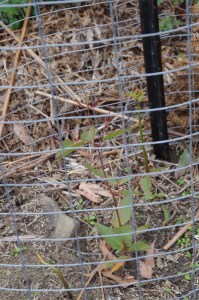
Four years after the fire, our group took on the challenge directly. We successfully applied for a “Communities for Nature” grant to purchase essential materials. Our previous experience taught us that the only way to protect seedlings until maturity was to use 1.2-meter-tall wire mesh tree guards, supported by star pickets. While effective, these guards were costly and labour-intensive to make, transport, install, and eventually remove.
With the grant, we acquired enough materials to construct 336 tree guards and purchase tube-stock. Additional funding allowed us to trial hand direct seeding at the site. The first plantings, carried out by contractors in 2013, were funded through a previous project. In 2014, after receiving our new grant, we began our on-ground efforts. That year, a crew from Conservation Volunteers Australia helped us construct the tree guards. In 2015, we organized our own working bees to build guards and complete the planting and installation.
Ongoing Maintenance and Outcomes
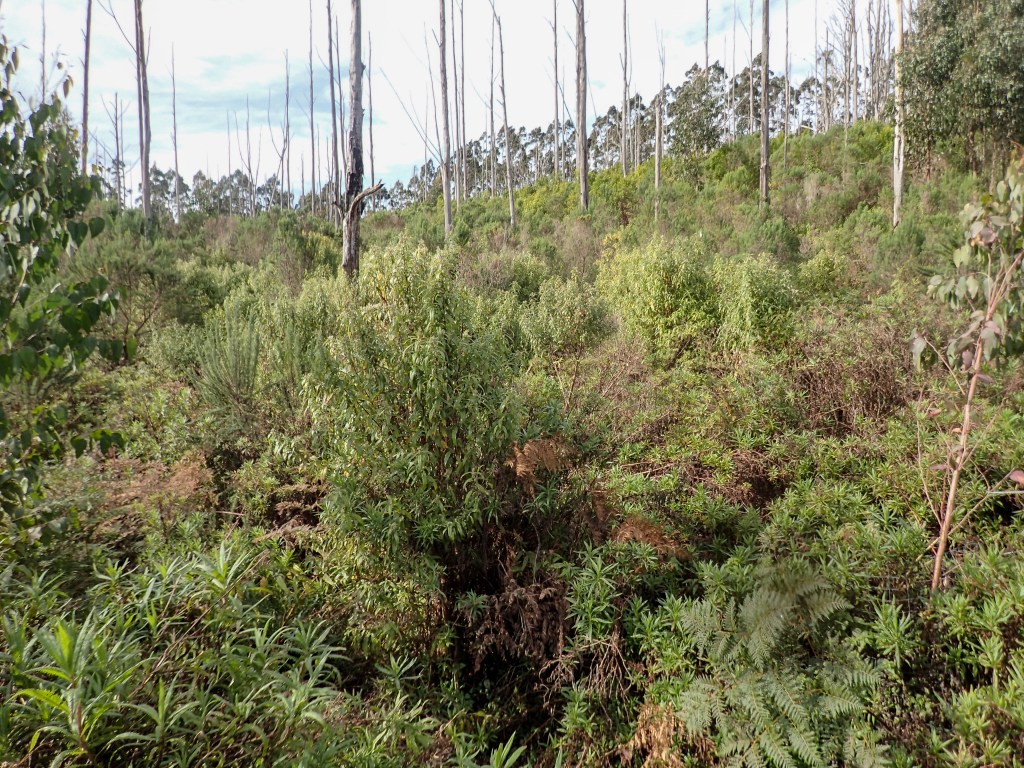
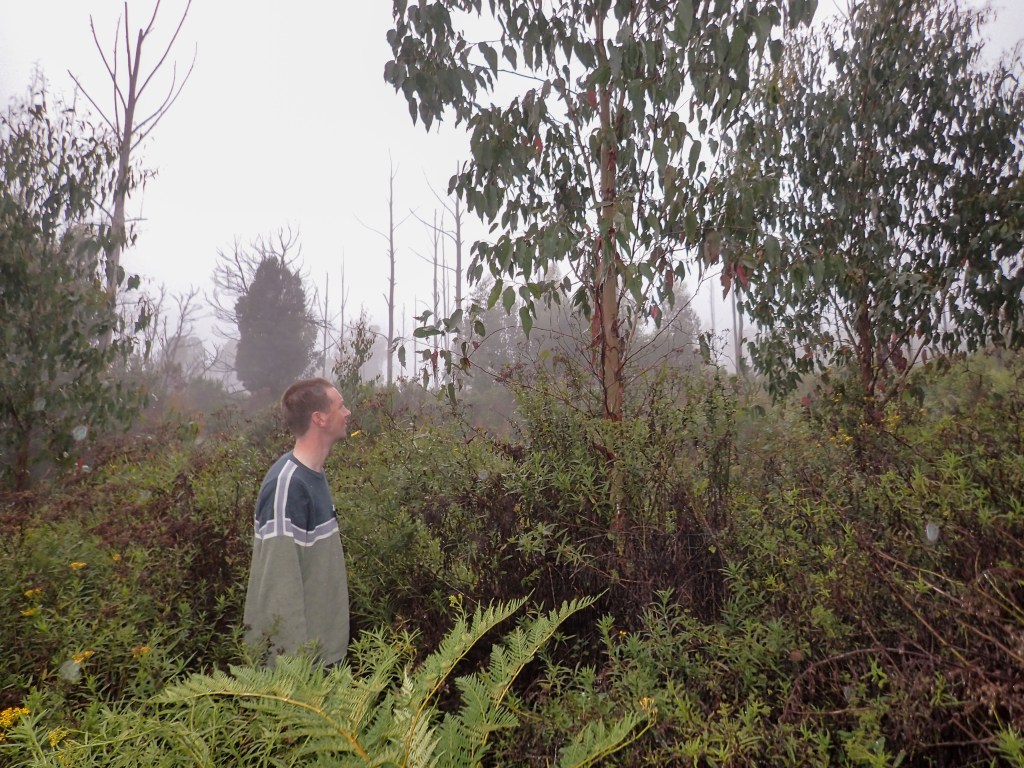
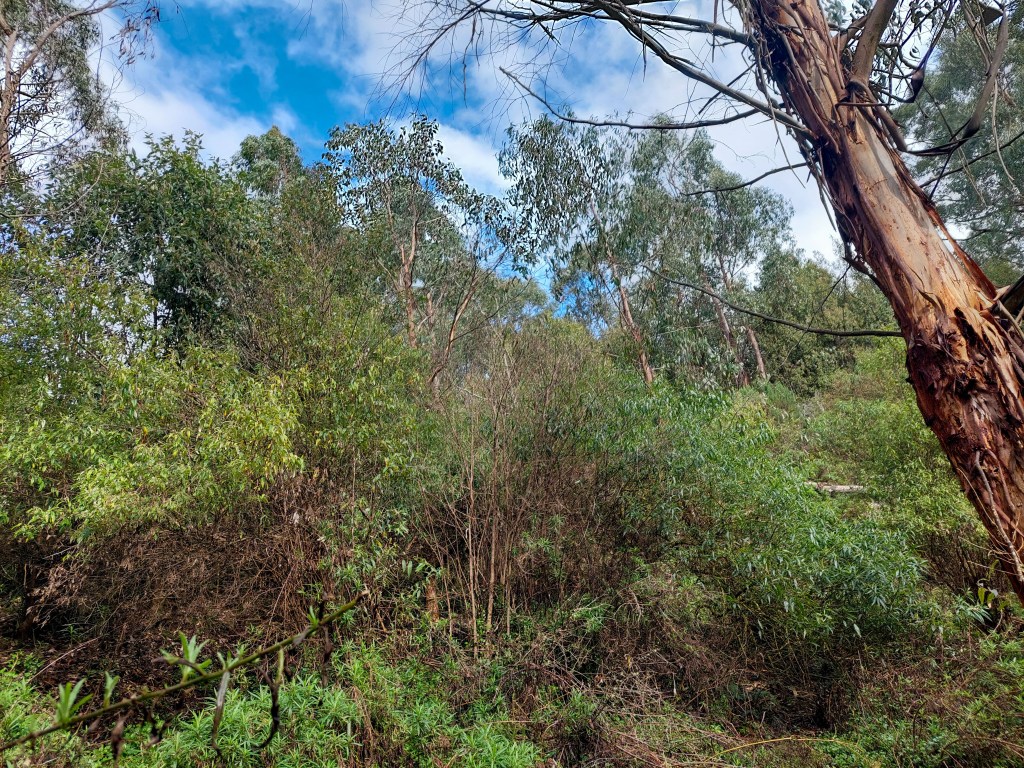
As time passed, undergrowth at the site increased. This made movement and planting more difficult. It also intensified competition for light and space. By the end of 2015, most planting was finished, and our focus shifted to site maintenance. From 2016 onward, we began removing guards from trees that had grown tall enough to survive unaided. In cases where seedlings died, we replanted as needed.
While most aspects of the project went according to plan, we did face setbacks. The site was initially littered with dead stags of immature Mountain Ash, which sometimes fell and damaged our tree guards. Additionally, the site was exposed, causing some newly planted trees to be blown over by strong winds. This happened despite the trees growing impressively tall. Fortunately, these losses were limited, and overall, our efforts have been a success

July 2024









 Friends of Tarra-Bulga National Park