Decade-Long Project: Restoring Grand Ridge Post-Fire

Project Completion and Background

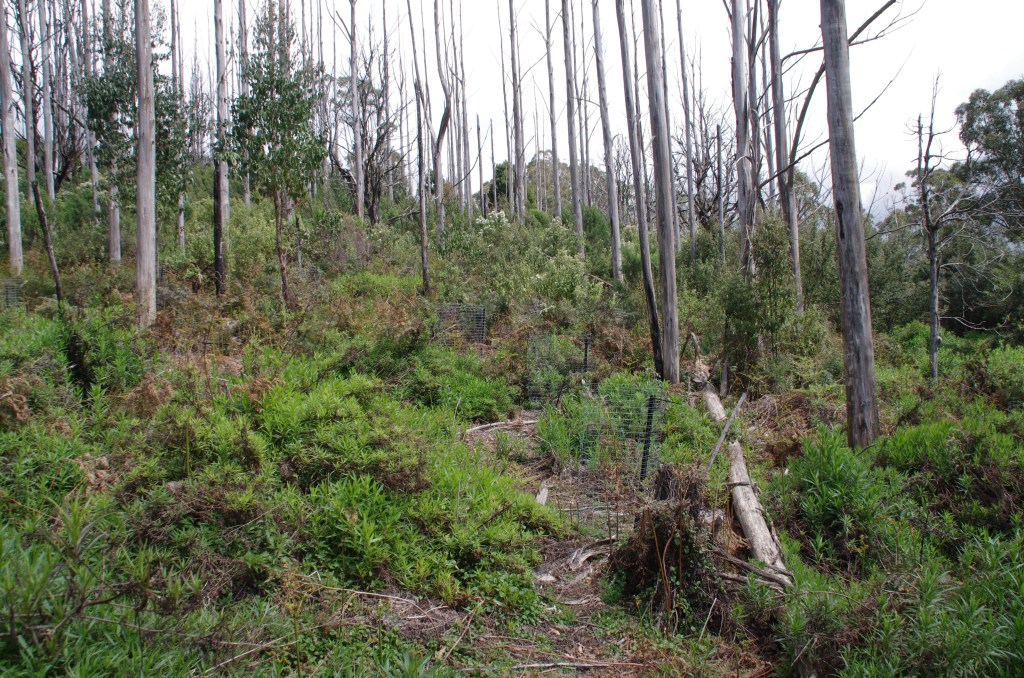
Recently, our group celebrated the completion of a major project that required over a decade of dedication. The project focused on a site on Grand Ridge Road. This site suffered the most severe impact within the park during the 2009 Black Saturday Churchill fire. As a north-facing slope, it absorbed the full force of the blaze. The fire was subdued by the moister vegetation higher up in the National Park. In other areas of the park, where Mountain Ash forests were burned, the fire’s intensity killed the trees. Yet, tens of thousands of seedlings quickly regenerated. They carpeted the ash bed. Unfortunately, this natural regeneration did not occur at our site. The Mountain Ash trees, planted in the early 1990’s, had grown tall. Still, they had not yet matured enough to flower and set seed. This left the area barren after the fire.

Early Recovery Efforts and Challenges

Once the immediate chaos of the fire subsided, the need for site recovery became clear. Fire recovery authorities responded by planting up to 10,000 seedlings across the site. Yet, this effort faced an unexpected challenge. A large population of hungry Swamp Wallabies consumed all the newly planted seedlings. In hindsight, the best approach would have been to aerially seed the site with overstorey species soon after the fire. This method would better mimic natural regeneration.

Launching Our Project

Four years after the fire, our group took on the challenge directly. We successfully applied for a “Communities for Nature” grant to purchase essential materials. Our previous experience taught us that the only way to protect seedlings until maturity was to use 1.2-meter-tall wire mesh tree guards, supported by star pickets. While effective, these guards were costly and labour-intensive to make, transport, install, and eventually remove.

With the grant, we acquired enough materials to construct 336 tree guards and purchase tube-stock. Additional funding allowed us to trial hand direct seeding at the site. The first plantings, carried out by contractors in 2013, were funded through a previous project. In 2014, after receiving our new grant, we began our on-ground efforts. That year, a crew from Conservation Volunteers Australia helped us construct the tree guards. In 2015, we organized our own working bees to build guards and complete the planting and installation.

Ongoing Maintenance and Outcomes

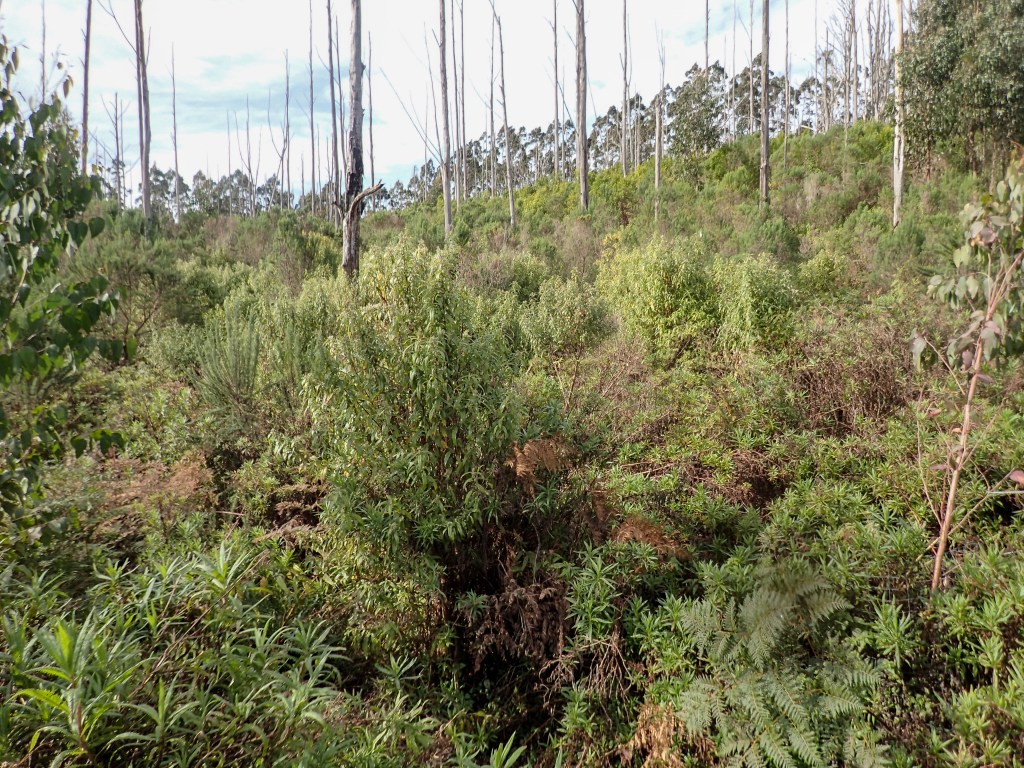
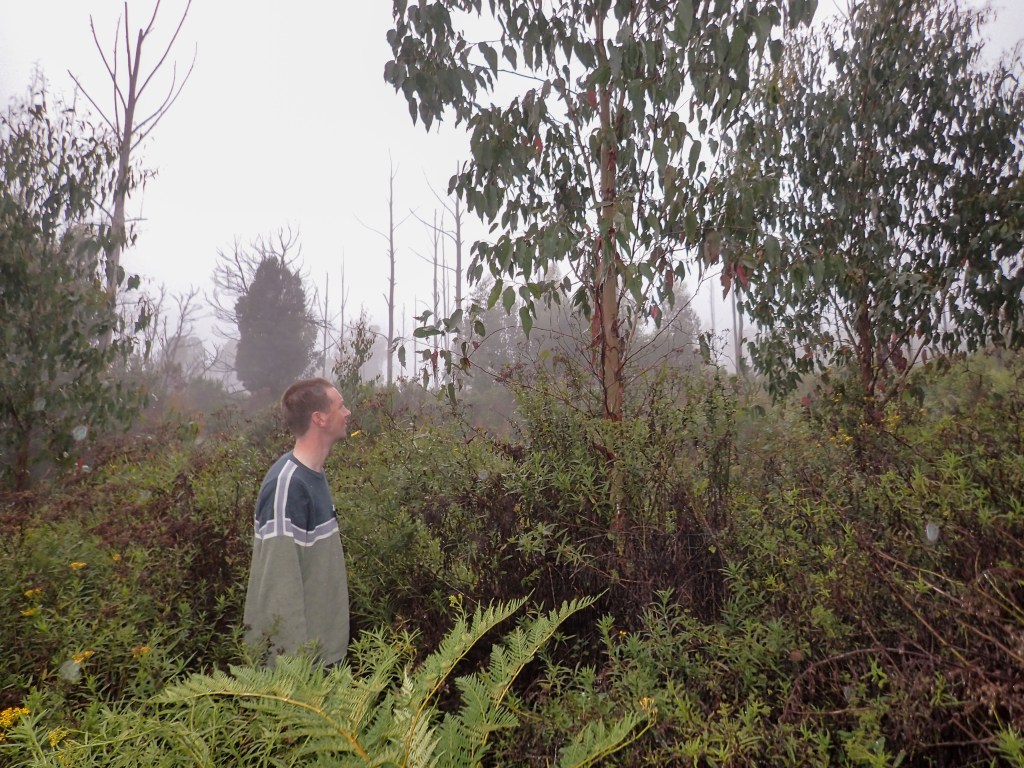
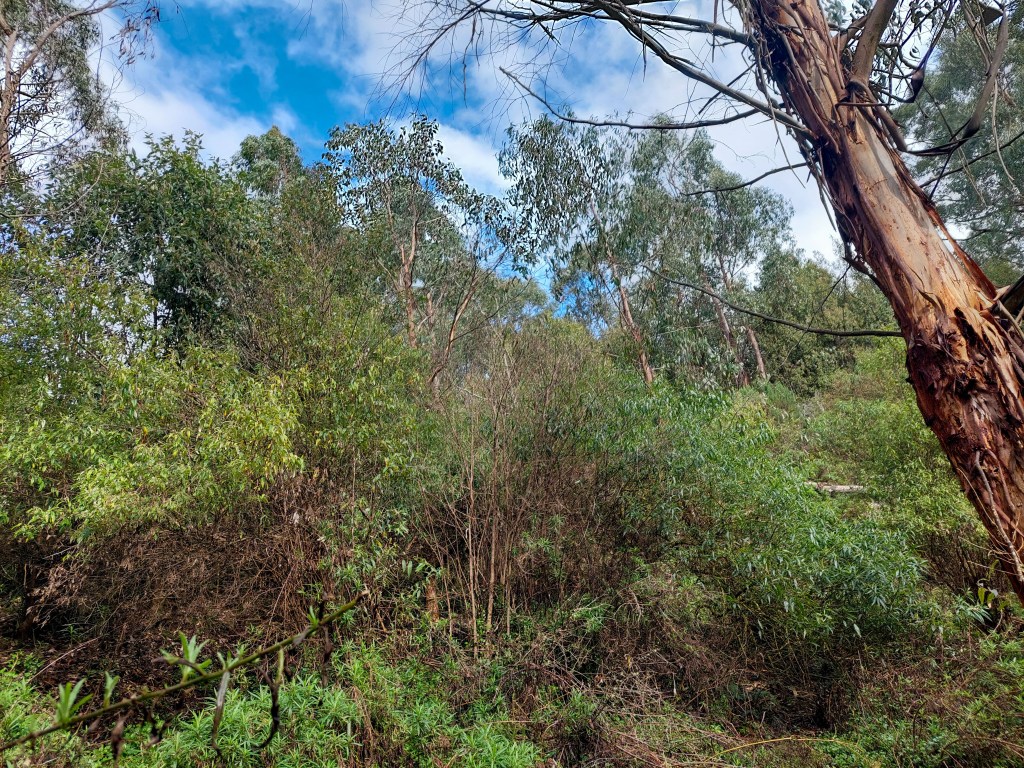
As time passed, undergrowth at the site increased. This made movement and planting more difficult. It also intensified competition for light and space. By the end of 2015, most planting was finished, and our focus shifted to site maintenance. From 2016 onward, we began removing guards from trees that had grown tall enough to survive unaided. In cases where seedlings died, we replanted as needed.

While most aspects of the project went according to plan, we did face setbacks. The site was initially littered with dead stags of immature Mountain Ash, which sometimes fell and damaged our tree guards. Additionally, the site was exposed, causing some newly planted trees to be blown over by strong winds. This happened despite the trees growing impressively tall. Fortunately, these losses were limited, and overall, our efforts have been a success

Fire Recovery Project Site 27th July 2024

Activity Coming up this Saturday

Fire damaged re-vegetation.
Project Site in 2010, previous re-vegetation efforts were destroyed in the Black Saturday fires.

This Saturday July 28th, we are inviting people to join us

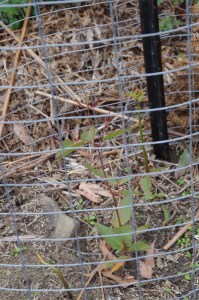
New Seedling
Newly planted seedling in a wire tree-guard

for an activity at one of our on-going project sites. The aim is to remove wire tree-guards from successfully plantings which are part of the recovery from 2009 bushfires.

Meeting point is the Tarra-Bulga Visitors centre at 10am and the activity will finish around 1pm. Please let us know if you intend to come along in case there are any change of plans. Phone 0488 035 314 or email: friendsoftarrabulga@gmail.com

OLYMPUS DIGITAL CAMERA
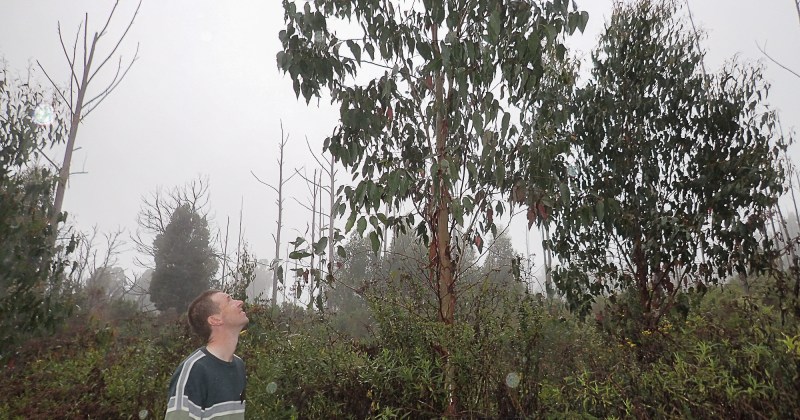
Project Site Showing Progress June 2018

Tarra-Bulga National Park: A Work in Progress.

Renowned for its stunning cool-temperate rainforest, luxuriant tree-ferns and towering Mountain Ash trees, Tarra-Bulga National Park is cherished by Gippslanders and enjoyed by visitors from all over the world.  The original separate small, but significant, Bulga and Tarra Valley Parks were reserved just over a century ago while the giant forests surrounding them were being laboriously hand cleared by selectors to turn into farms. Clearing this land turned out to be folly, the terrain, cold winters, bushfires, weeds and rabbits all contributed to the farmers giving up and walking away, leaving scrub and noxious weeds in their wake. Forestry and sawmilling in the area for timber and pulpwood also led to the loss of more of the original giant trees.

Alberton Shire_0002a_2
Bulga Park Entrance Circa 1930

In recent years Tarra-Bulga National Park has expanded. New areas including abandoned farmland have been added with the goal of physically linking Tarra Valley and Bulga Parks as well as to reduce visitor pressure on significant sites, provide greater recreational opportunities and protect additional vegetation communities representative of the Strzelecki Ranges. It is recognised that Tarra-Bulga National Park has the potential to become even more spectacular and significant as cleared land is successfully regenerated.

P2170039a
Monitoring past  work by the Friends of Tarra-Bulga National Park

To this end the Friends of Tarra-Bulga National Park are seeking volunteers interested in helping with the regeneration process. The group holds occasional work days on weekends, undertaking activities such as planting over-storey trees and controlling noxious weeds. The next activity is scheduled for Saturday July the 23rd  30th and will focus on removing tree guards from successful new plantings. The meeting point will be at 9.30am at the Visitors Centre Car Park. For further details or to register your interest in helping out Friends of Tarra-Bulga with any of their activities email friendsoftarrabulga@gmail.com  or phone 0488 035 314.

Planting Day – August 29th

Friends of Tarra-Bulga are looking for volunteers to assist with a planting day on Saturday August the 29th.

The planting site is on a north facing slope along the Grand Ridge Rd, it had been originally successfully planted with Mountain Ash in the early 1990’s. Unfortunately the fires in 2009 killed them all and there was no natural regeneration of new overstorey because they had not yet started to flower and produce seed. This is the second year we have done planting at this site and with the aid of strong wire-mesh wallaby guards progress towards restoring the site is going fantastically well.

If you can’t make it along for the Saturday we do need volunteers to help make up tree guards before the event and may need to do some more planting later on if we don’t finish the job on the 29th, so let us know if you are available.

The meeting point on Saturday the 29th will be at the park visitors centre at 9.00am.

BYO: Lunch, Drinks, Gloves.

To register phone David on 0488 035 314

or email friendsoftarrabulga@gmail.com

Planting Day 29-8-2015

Planting Day 29-8-2015

Hand Direct Seeding Trial to Combat Hungry Wallabies.

Grazing Swamp Wallabies are a huge hurdle to successfully growing new trees in sections of Tarra-Bulga National Park. Hard lessons have been learnt, 1000’s of trees have been planted, but experience has shown that even if they are hidden or planted among unpalatable species the Wallabies will eventually find them and eat them.  Regular tree-guards have proven to be of little use, they may protect the plant for a short while but Wallabies will chew any growth at the top of the guards that they can reach, the plant will remain stunted and eventually die. A commercially available Wallaby repellent mixture  can be sprayed on new growth to protect it, but that is labor intensive and requires regular follow up to have any chance of success, not a viable task in our situation with limited time and rough terrain to encounter . The only strategy that does seem to work for us is to use large wire mesh tree-guards which are expensive and very labor intensive to install and eventually remove once the trees have grown big enough..

Why do we think direct seeding might be a solution? Nursery grown tube-stock are generally grown in ideal conditions, with fertiliser, controlled sunlight and regular watering, as a result the leaves are highly palatable. Plants that germinate from seed on sites should be tougher, slower growing and as a result have less tasty foliage. Mountain Ash along with other species of Eucalyptus seeds are very small, one gram of Mountain Ash seed contains nearly 200 viable seeds. For our trial we have 390 grams of Mt Ash seed, if all of them germinate we would have almost 80,000 seedlings scattered over the site. That is clearly an optimistic outcome but hopefully we can get a good germination strike rate and some of those tiny little seedlings can overcome the Wallabies and other forces of nature to successfully grow into mature trees. We will keep you posted.

September the 6th Planting Day

Come along on Saturday September the 6th of September to Tarra-Bulga National Park and participate in the Friends of Tarra-Bulga’s biggest planting day for the year. Once again they will be enhancing the world by planting some mighty Mountain Ash. This time it will be on a site along the Grand Ridge Rd. BYO Lunch, drinks and gloves. Meet at the park visitors centre at 9am. To register or for inquiries call 0488 035 314 or email:friendsoftarrabulga@gmail.com

planting day flyer

A Planting Day for Those That Like a Challenge

Big TreeFriends of Tarra-Bulga National Park have a number of project sites where they are aiming to convert several not so pristine areas of the park back to towering Mountain Ash Forest. On Saturday August the 9th they are holding a planting day along Diaper Tk where they’ve been restoring a 2ha site that was once over-run by 30m high Sycamore Maple trees.

The friends are keen for as many helpers are possible on the day but please note the task is a bit of a challenge and may not be for everyone. Access to the site is via 2.5km walk, which will probably be quite muddy at this time of year. Movement around the planting site itself is difficult, as it is covered in re-generating shrubs, ferns, logs and branches of what remains of the dead Sycamore Maple trees; there may also be the odd Leech.

In order to keep the newly planted Mountain Ash seedlings out of reach of hungry Swamp Wallabies, large wire mesh tree guards will be installed on the day.

So if all of the warnings found above hasn’t deterred you and you are keen to come along and plant a tree that may one day be an 80m tall giant please come along. The meeting spot will be at the Tarra-Bulga National Park visitors centre car park (Balook) at 9am.

To register or for further enquiries phone 0488 035 314 or email friendsoftarrabulga@gmail.com (BYO lunch, Drinks etc.)