Cats in Tarra-Bulga National Park

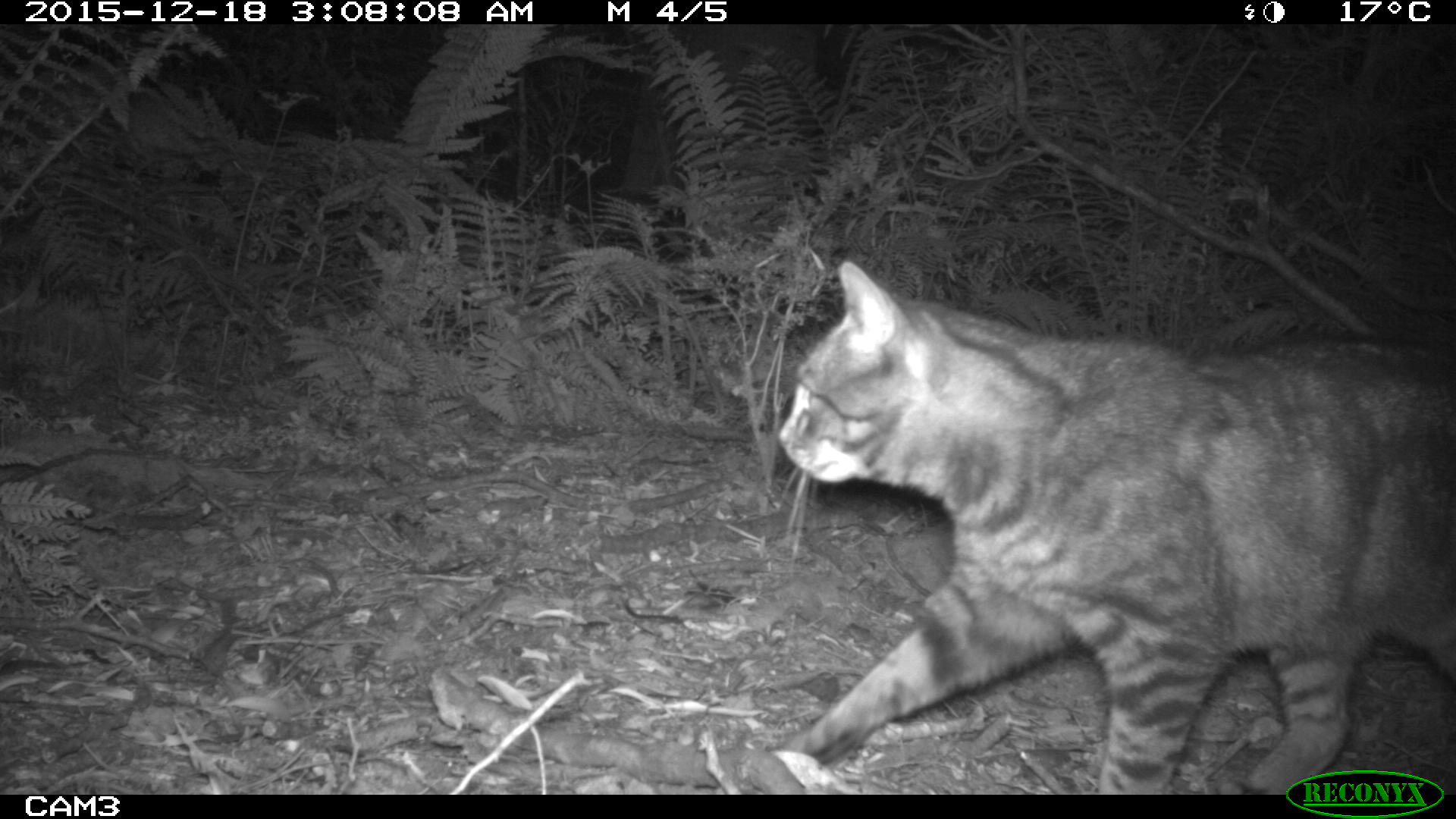
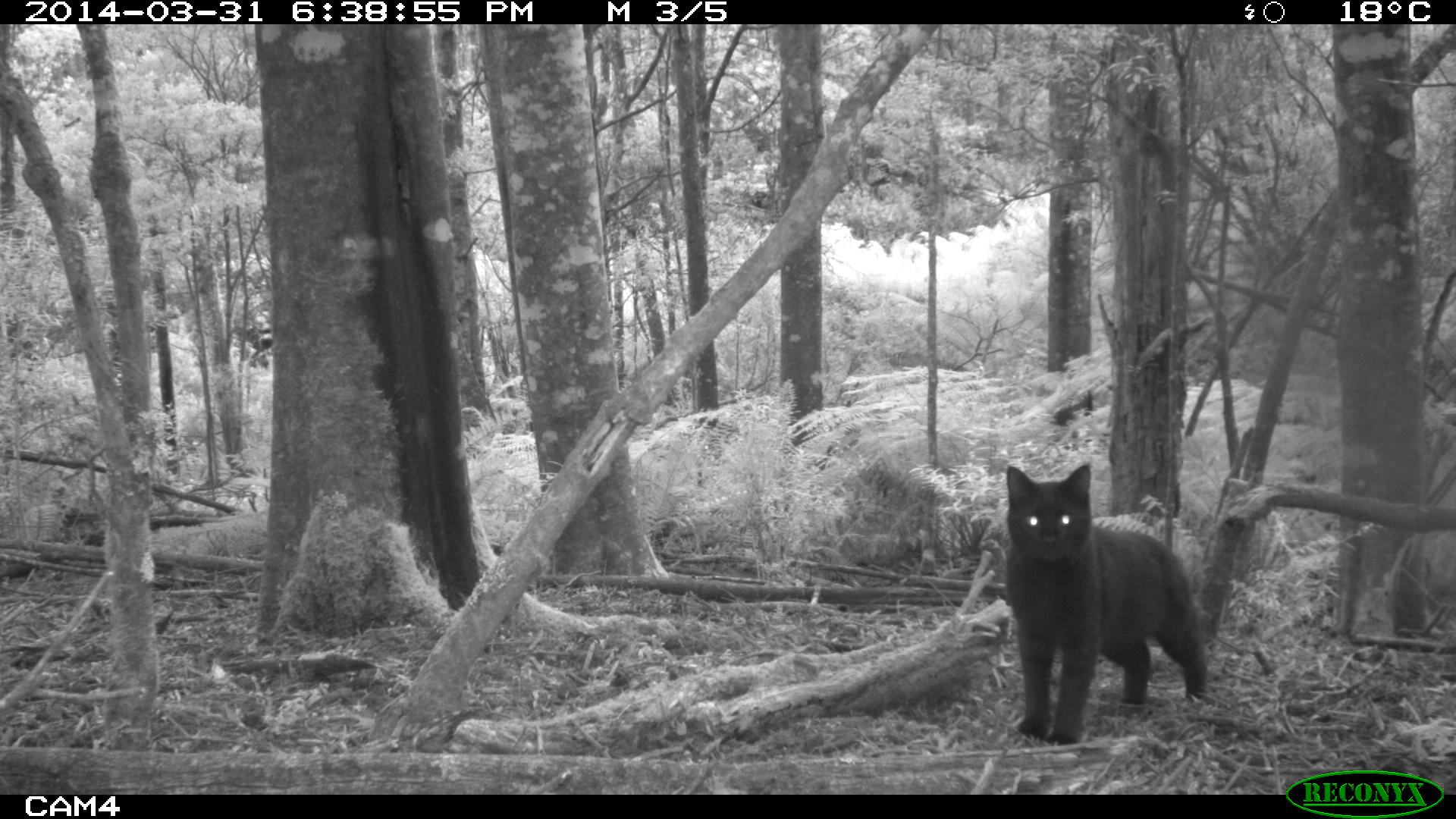
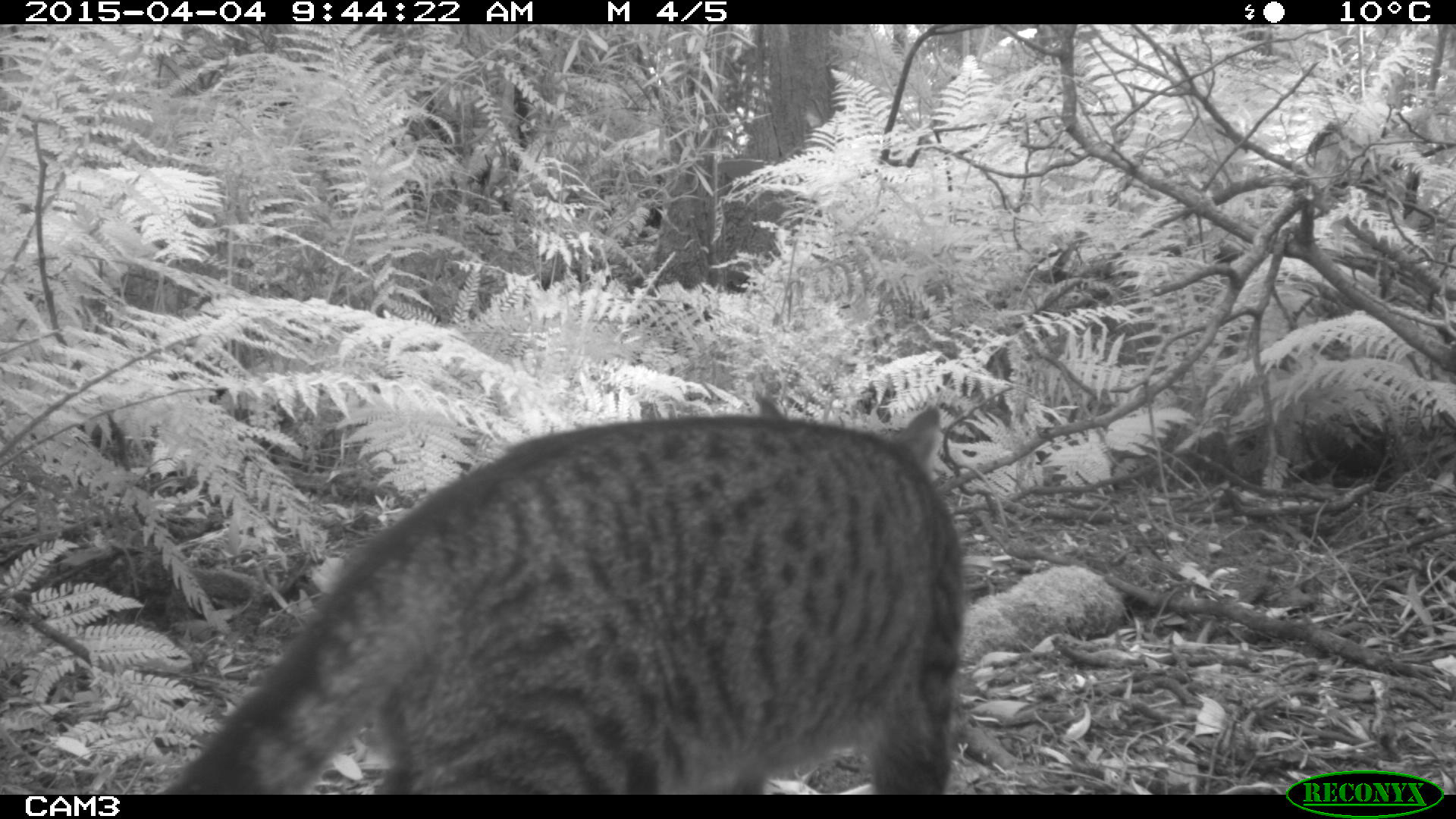
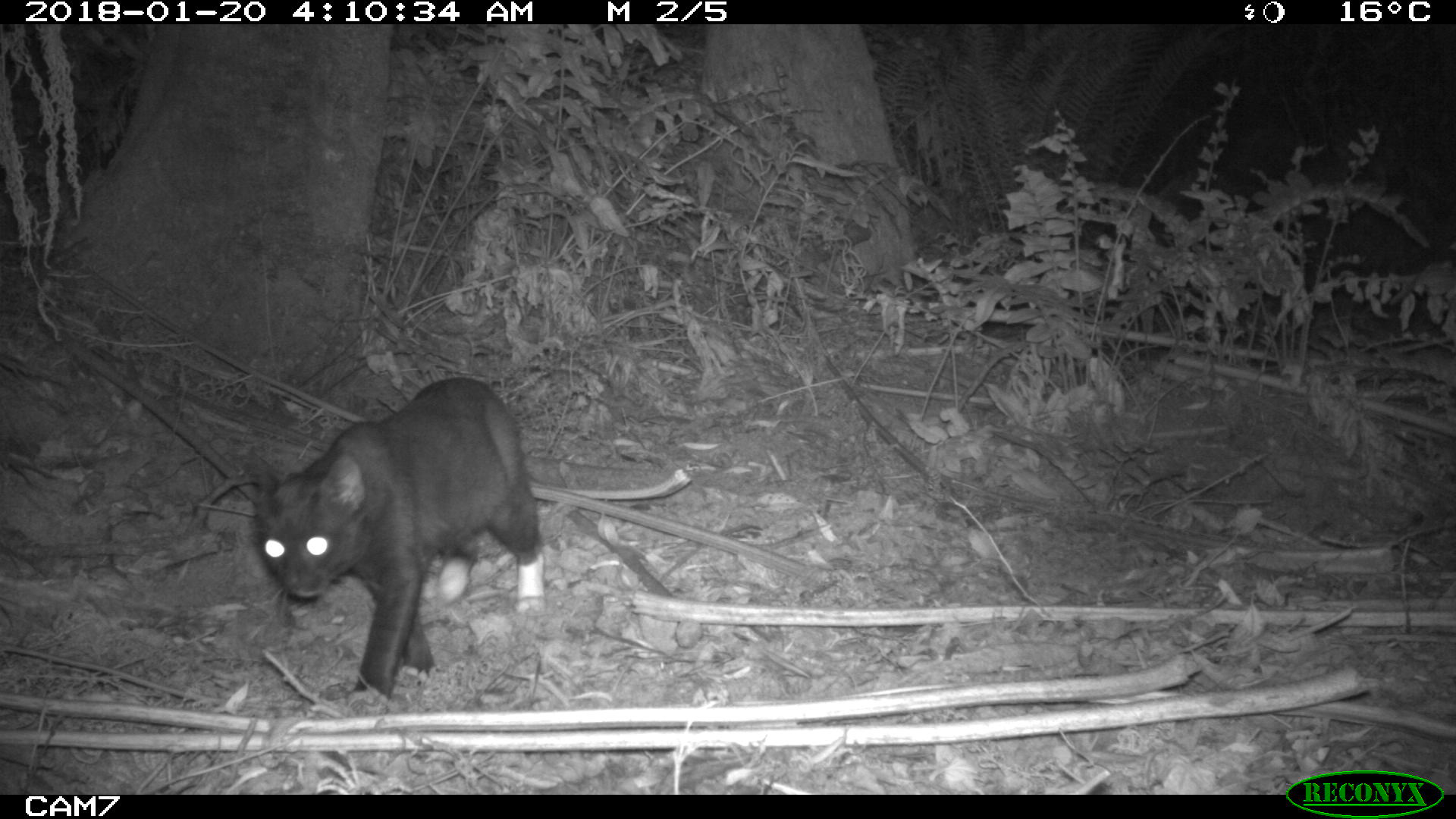
Although they are not often seen by visitors, feral and domestic cats are established predators at Tarra-Bulga National Park and our remote camera results suggest they are becoming more common.

The table below shows results from five years of remote camera monitoring carried out by the Friends of Tarra-Bulga Park. Cat numbers as a percentage of total species recorded rose dramatically from 0.7 to 3.9%.

Year201220132014201520162017
No. of Cats Records163364594164
Total Records220828984827380413521638
Percentage of Cats0.7%1.1%1.3%1.6%3.0%3.9%

The impact these cats are having on the birds, small mammals and reptiles is a real concern. Although there are many variables in the ways we set up our cameras, the general trend in the last few years is for them to be detecting greater numbers of cats and less small native mammals (e.g. Antechinus and Bush Rats). Sadly we have also been detecting less of the smaller birds such as Pilotbirds and White-browed Scrubwrens. (For a summary of sightings of others species download this Percentage of sightings per year for commonly detected species captured in remote camera photos )

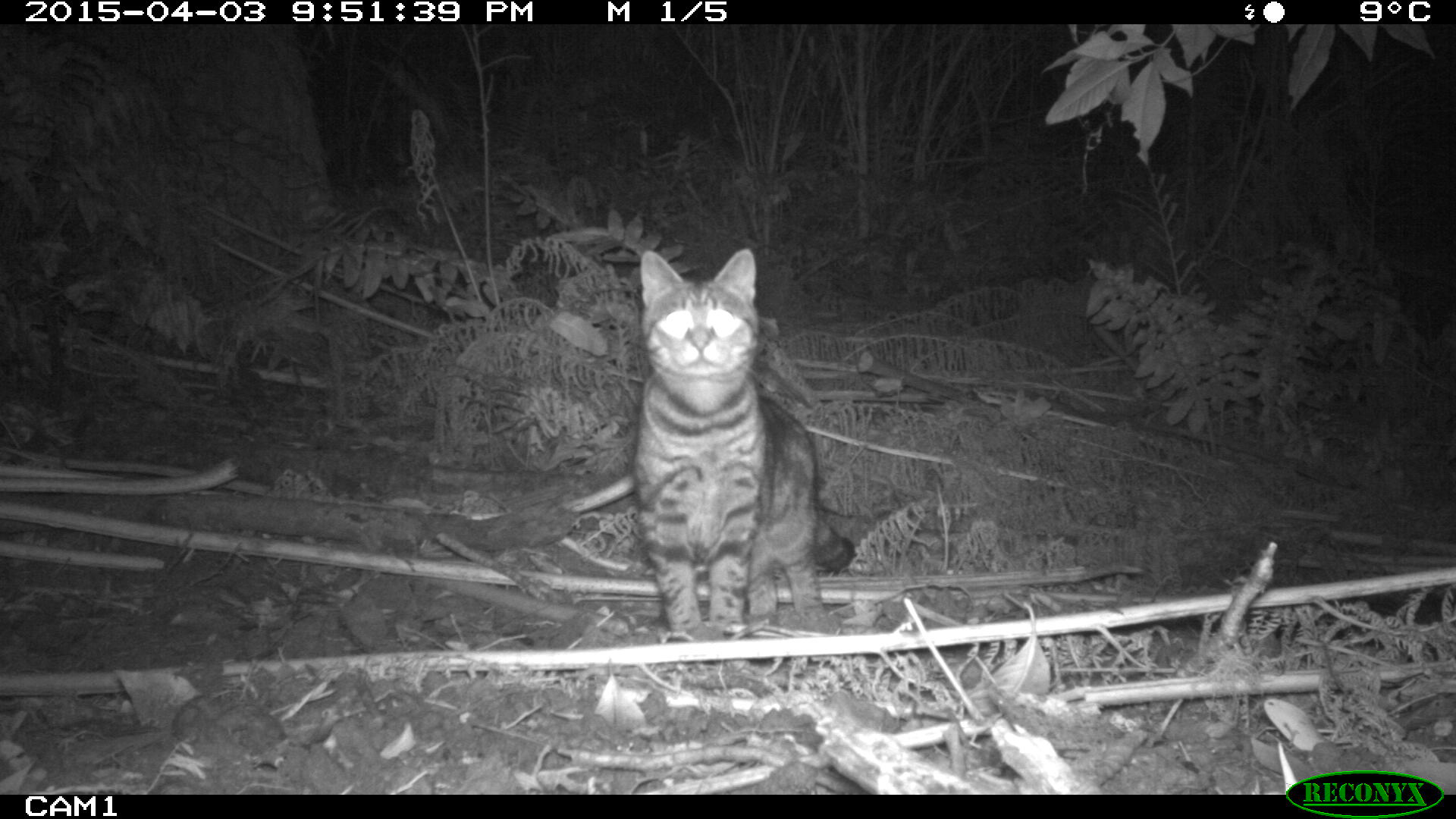
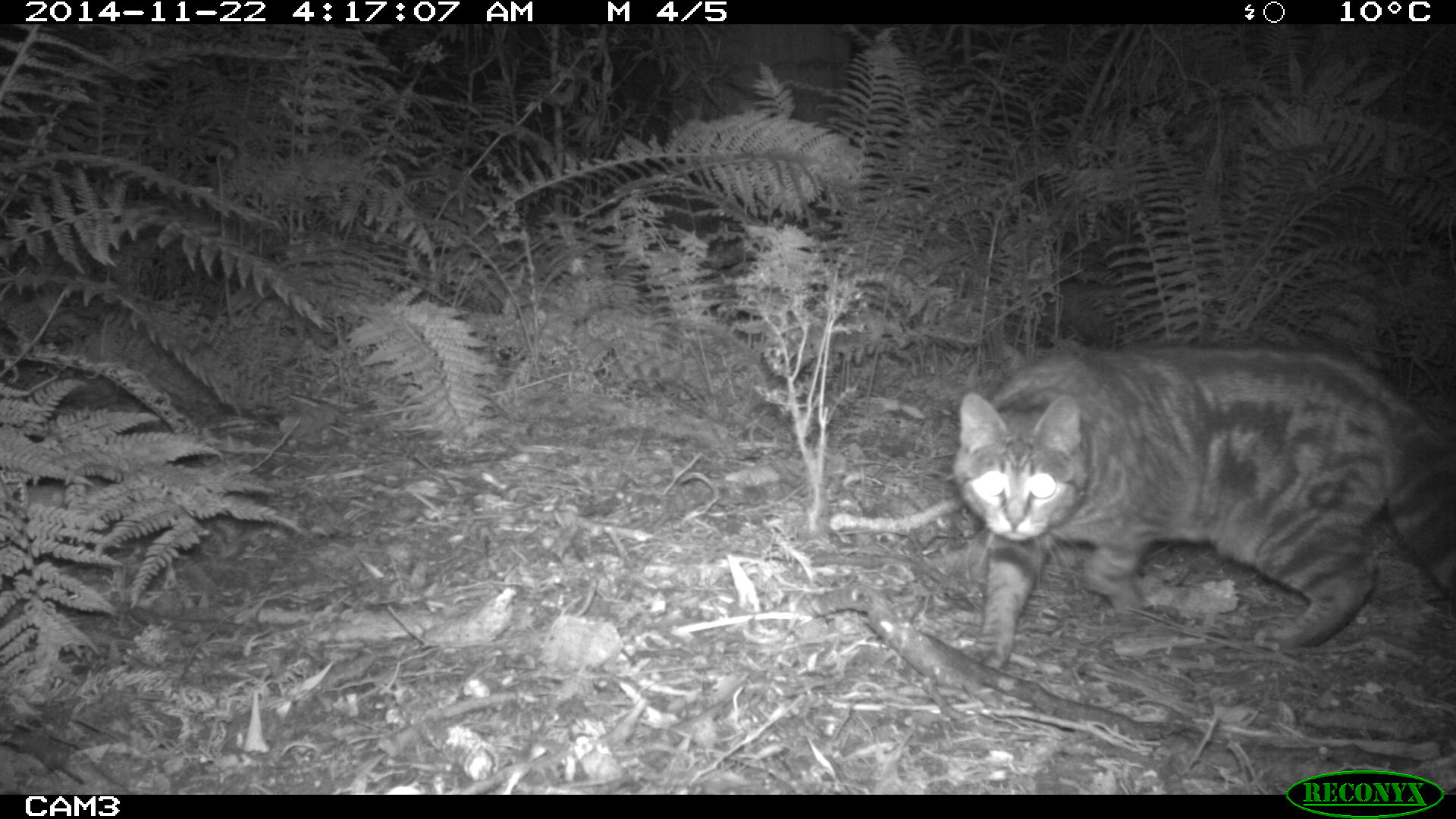
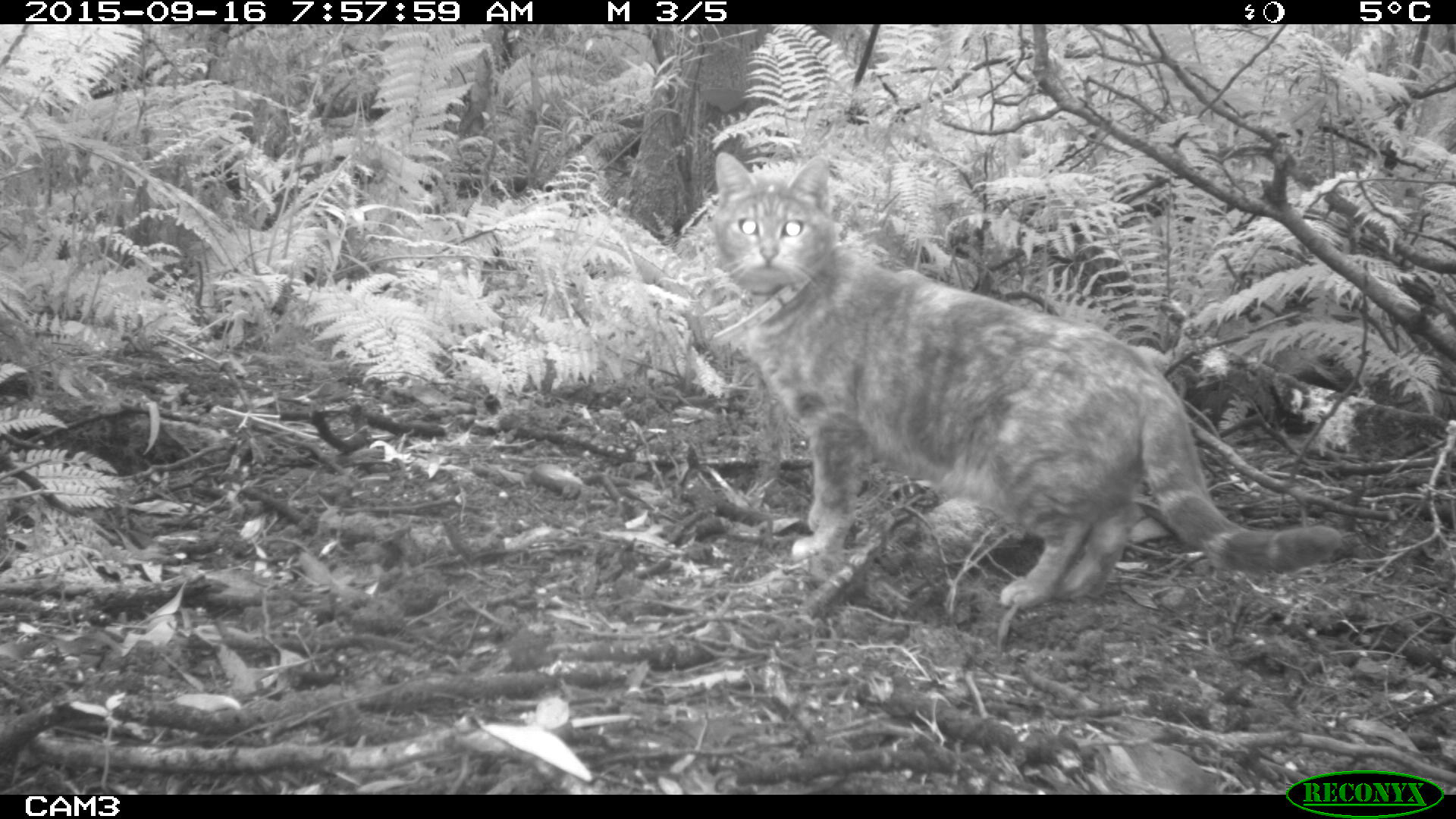
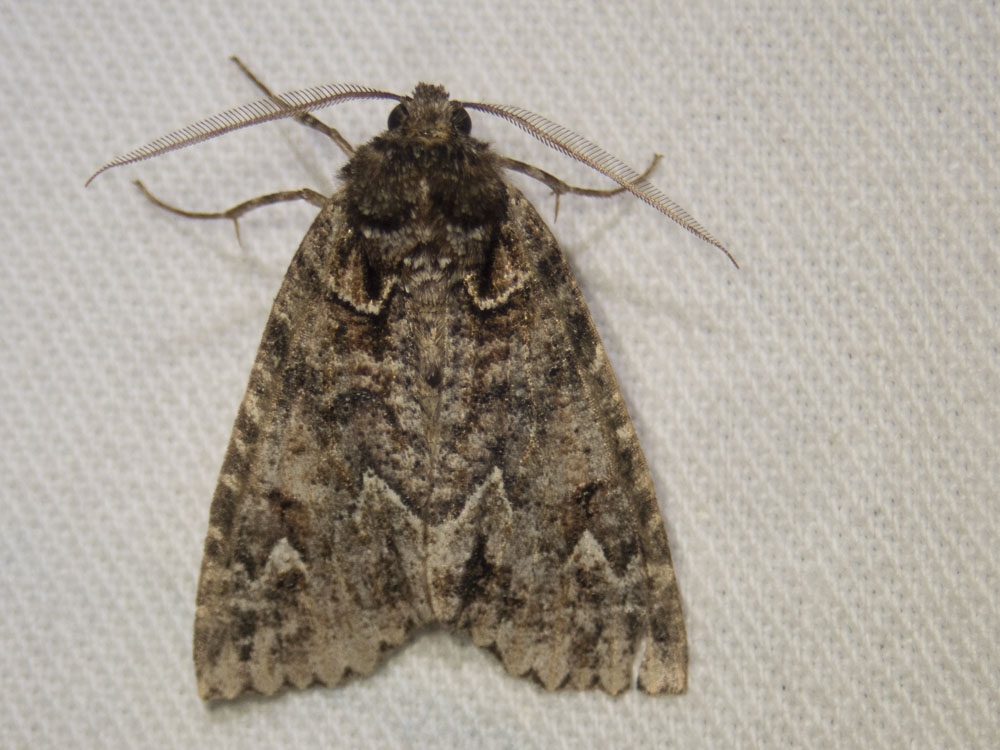
The gallery below shows that cats in Tarra-Bulga range from large ferals and panther look-alikes to small (some might say cute) looking kittens, some even have collars. What is undeniable though, is that their presence has a major impact on the ecology of Tarra-Bulga National Park.

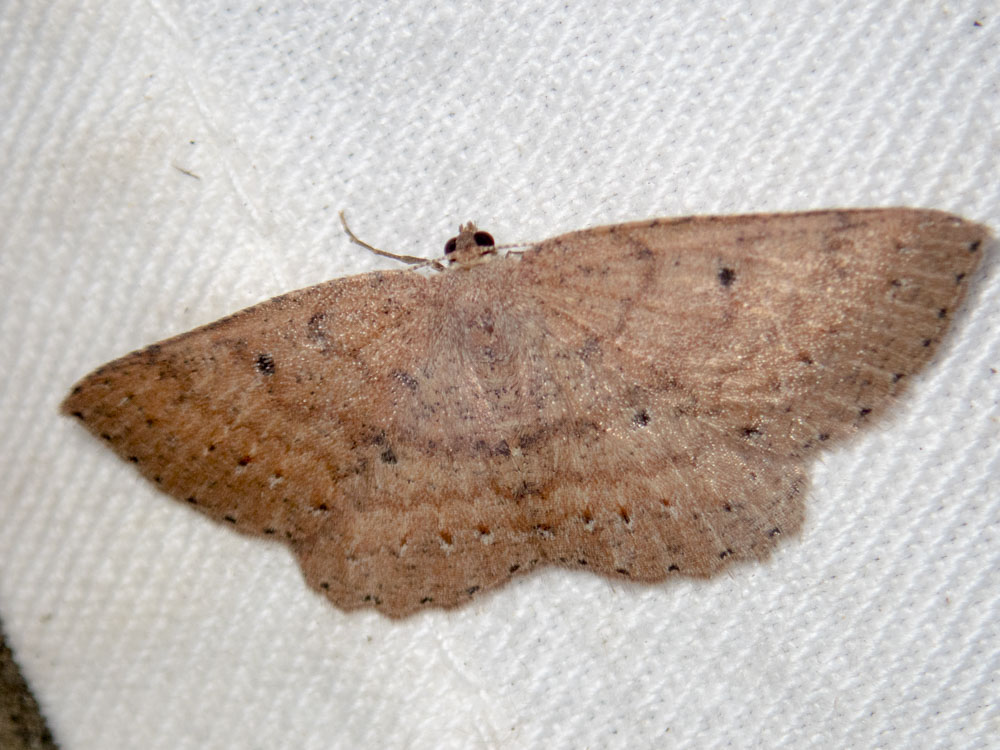
Ennominae

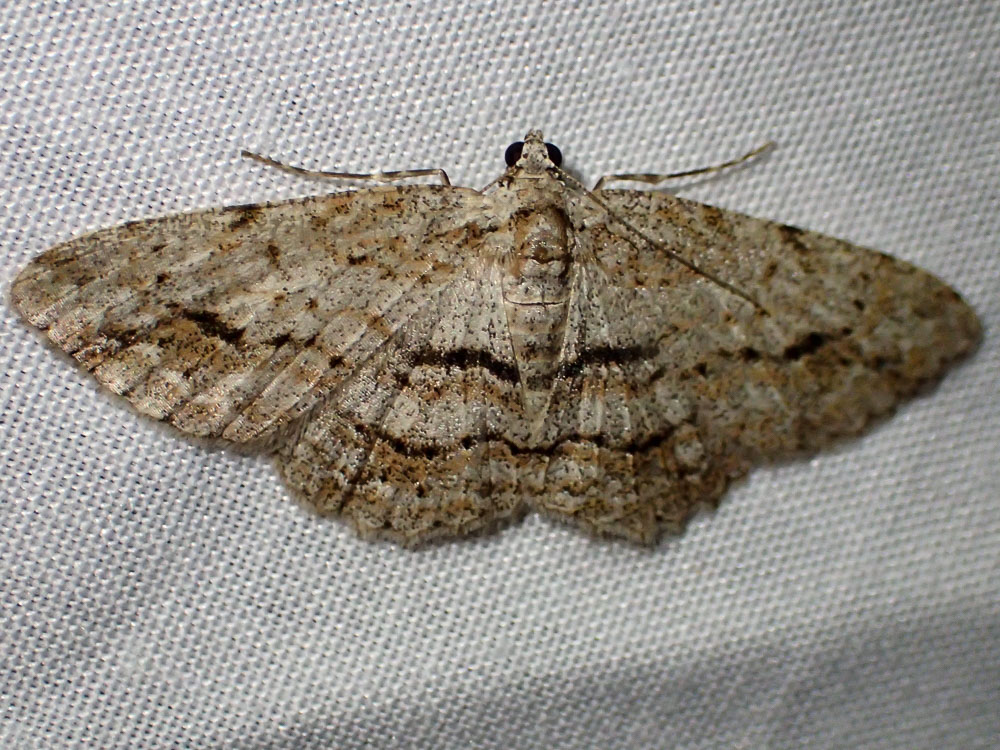
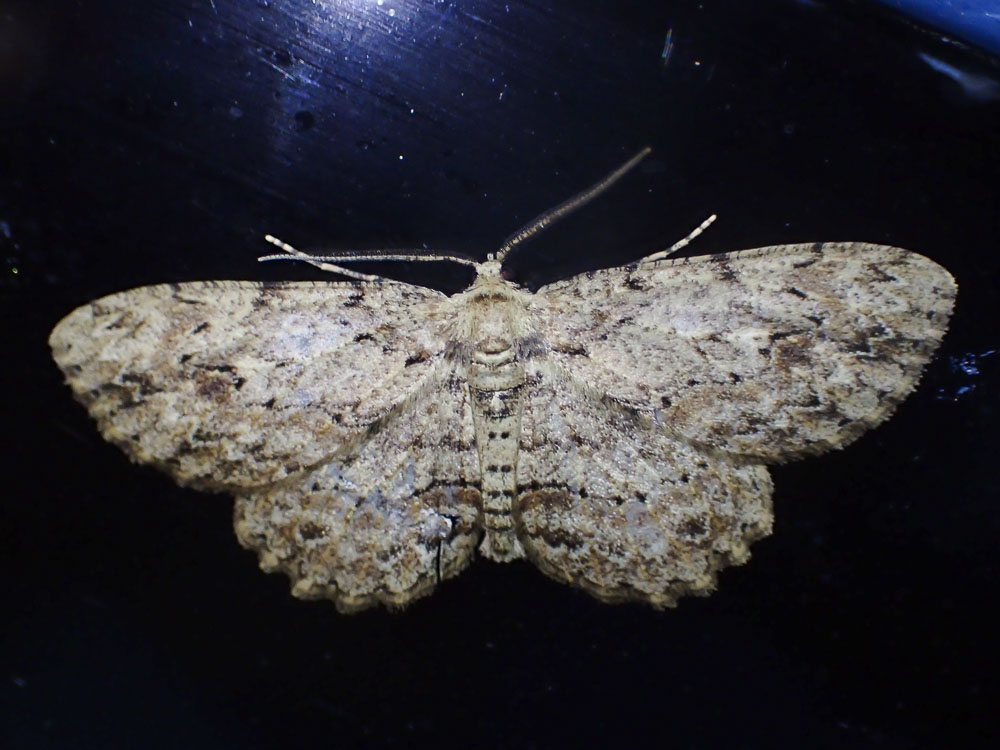
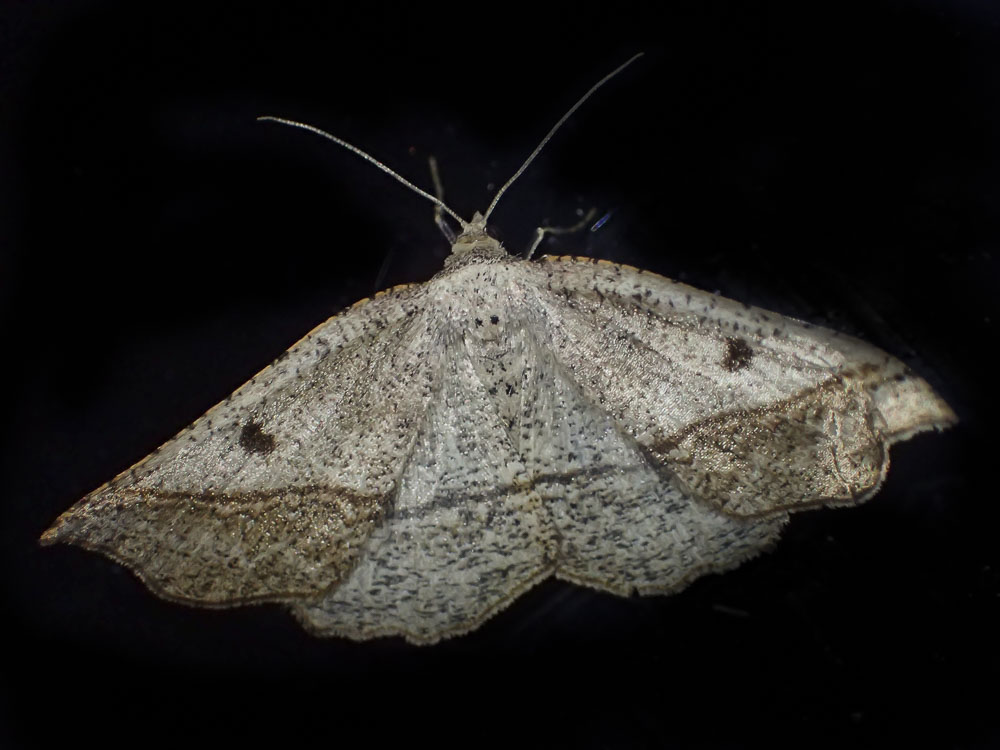
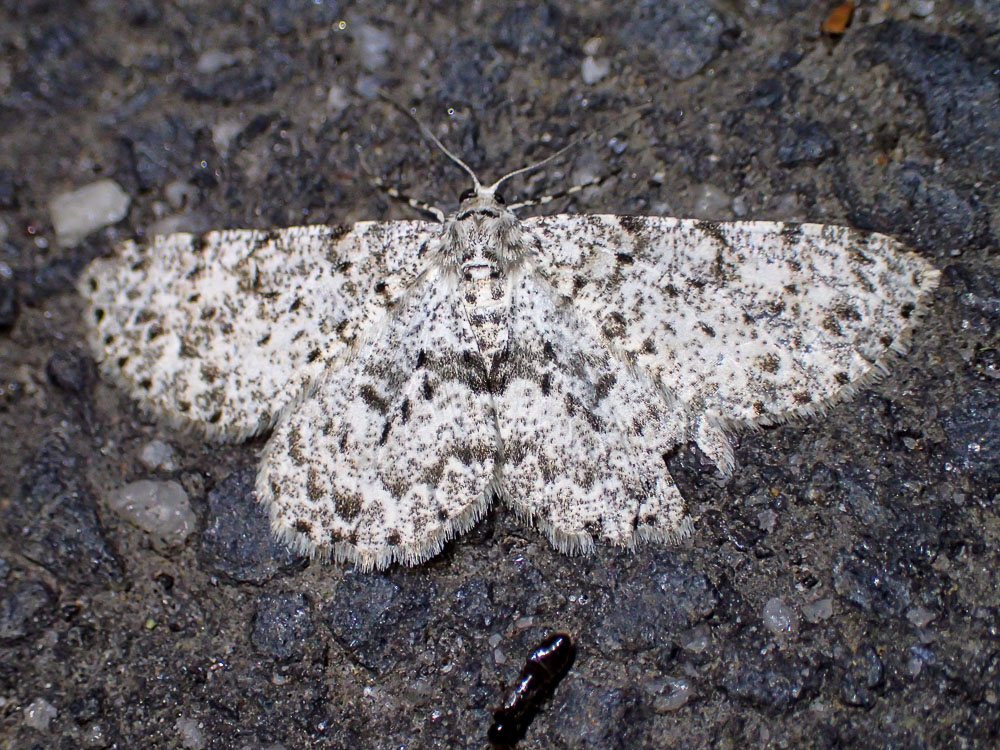
Ennominae are a sub-family of Geometridae. They include tribes Nacophorini (Satin Moths) and Boarmiini (Bark Moths) as well as a number of other smaller tribes.


Geometrinae Moths – Emeralds

The common name (Emeralds) for this Sub-family of moths derives from the fact that many of them are Blue-green in colour.


Larentiinae – Carpet Moths

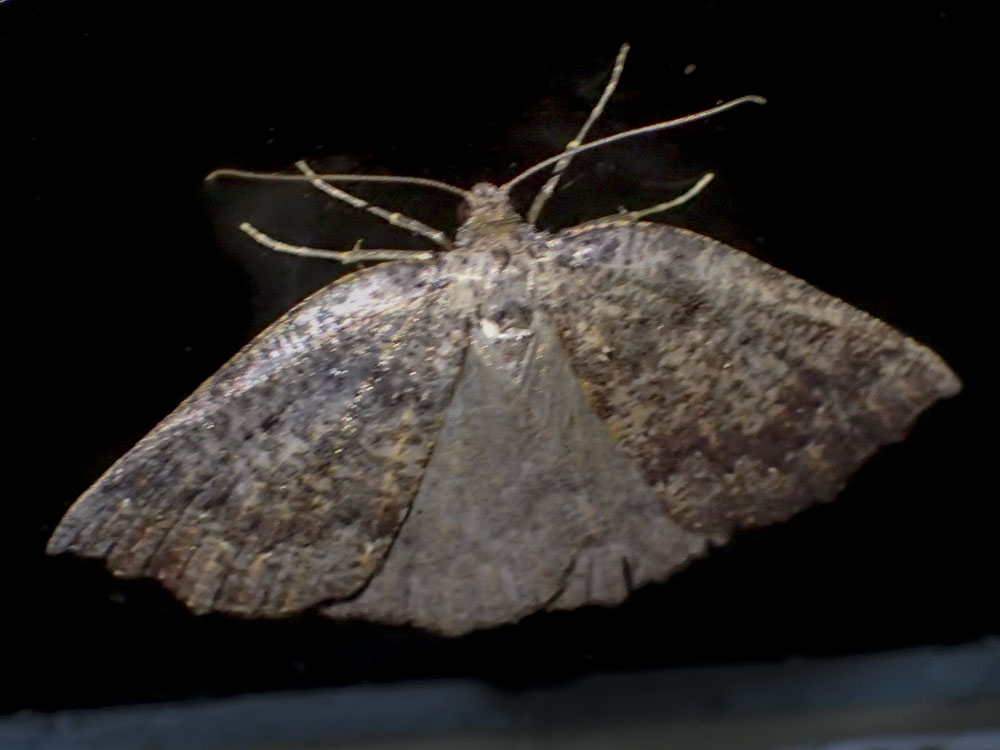
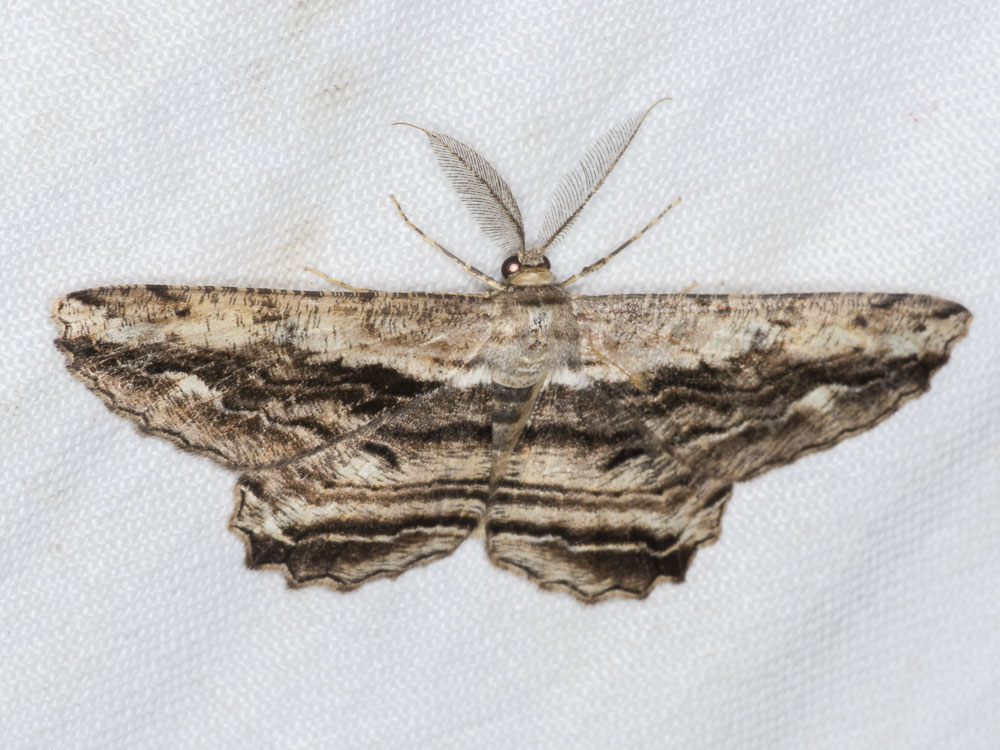
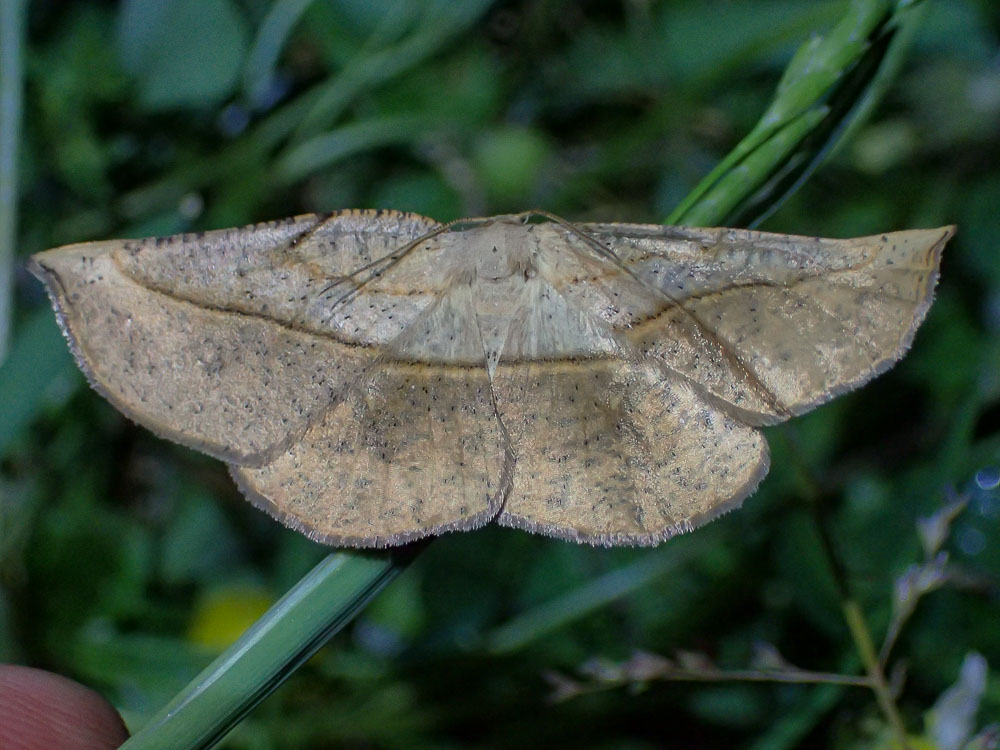
Larentiinae moths are a sub-family of Geometridae. They are commonly known as Carpet Moths. 28 separate species of Larentiinae have been recorded in Tarra-Bulga National Park.


Hepialidae (Ghost Moths)

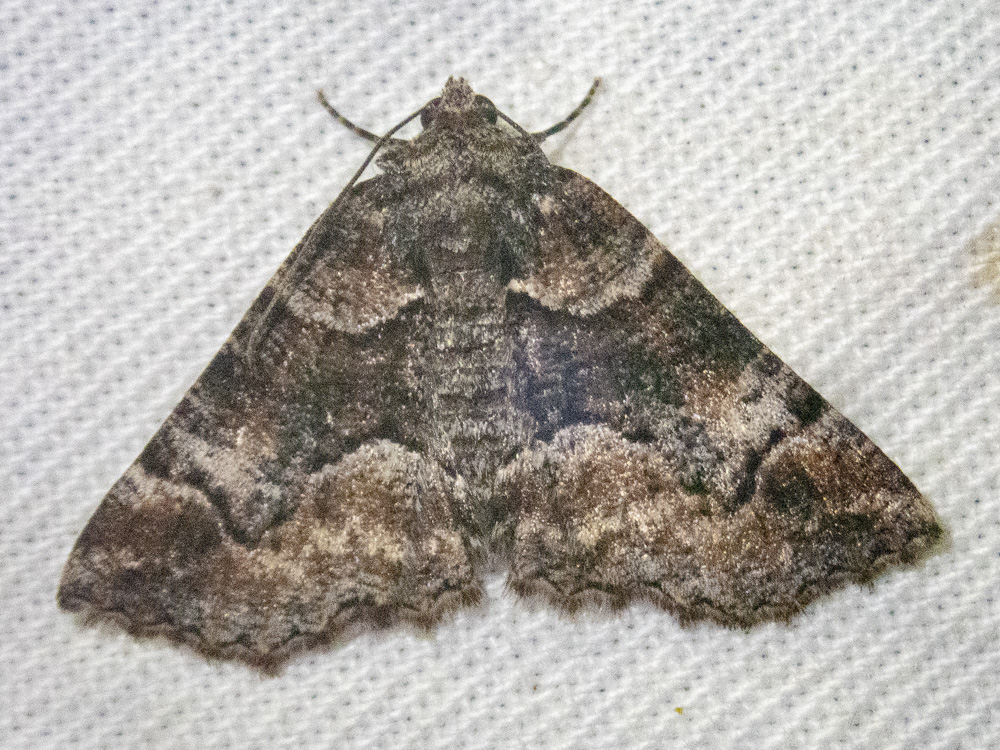
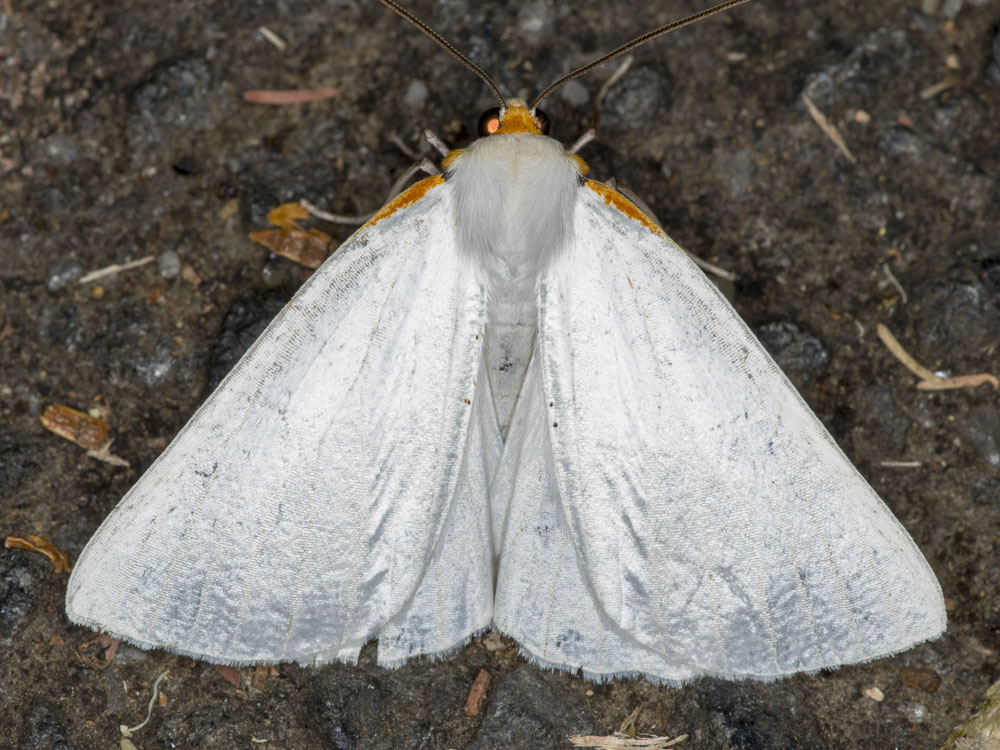
To date we have 5 different species of moths in the family Hepialidae recorded in Tarra-Bulga National Park.


Arctiidae (Footmen and Tiger Moths)

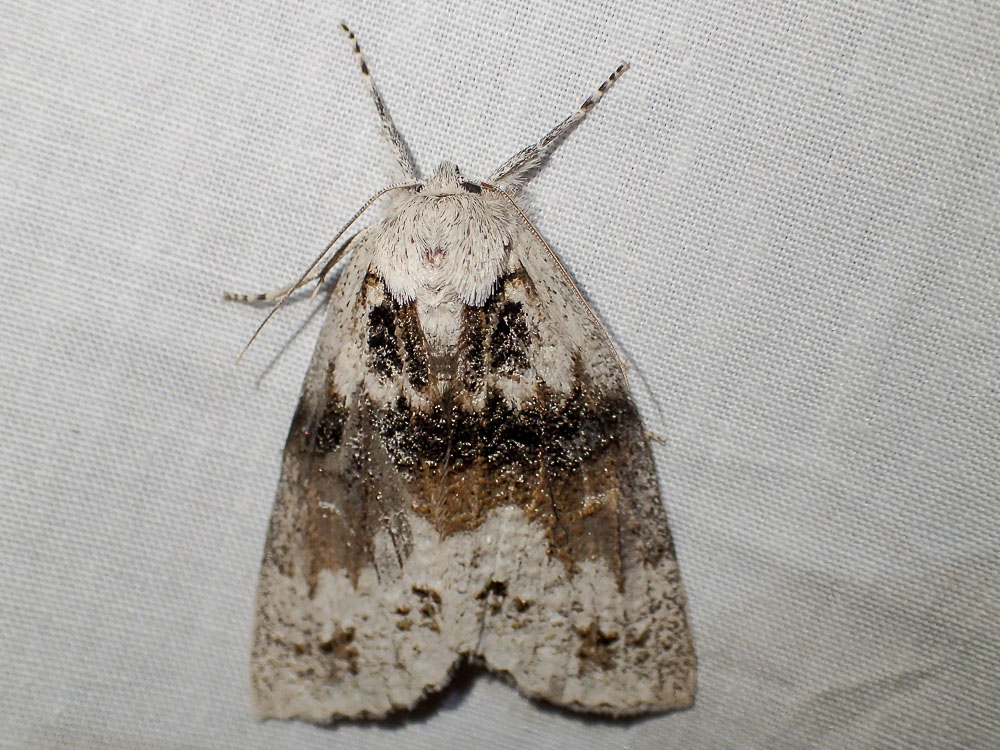
To date we have 17 different species of moths in the family Arctiidae recorded in Tarra-Bulga National Park.

“Arctiidae is a large family of moths with around 11,000 species found all over the world. This family includes the groups commonly known as tiger moths (or tigers). Tiger moths usually have bright colours, footmen (which are usually much drabber), lichen moths and wasp moths. Many species have ‘hairy’ caterpillars which are popularly known as woolly bears or woolly worms. The scientific name refers to this (Gk. αρκτος = a bear). ”


Tree Guard Removal – Working Bees

Friends of Tarra-Bulga have a couple of days coming up where we plan to remove wire mesh guards from successfully established trees, if we have enough volunteers we might even re-use the guards to plant some more.
Both sessions will target the area we are replanting after the 2009 fires. Parks Victoria have kindly re-cleared some access tracks to make the task a bit easier.
The first planned date is Saturday July 29th (was originally planned for the 22nd on our calendar) and the second date is Saturday, August 26th. Meeting point for both days is the visitors centre at 9.30am
If you are keen to lend a hand at either or both of these sessions please either register via email to friendsoftarrabulga@gmail.com or telephone 0488 035 314. There is also an exciting new option to register for our events via www.parkconnect.vic.gov.au

Successfully grown tree
A successfully grown Mountain Ash freshly liberated from its wire tree-guard.