Planting Day – August 29th

Friends of Tarra-Bulga are looking for volunteers to assist with a planting day on Saturday August the 29th.

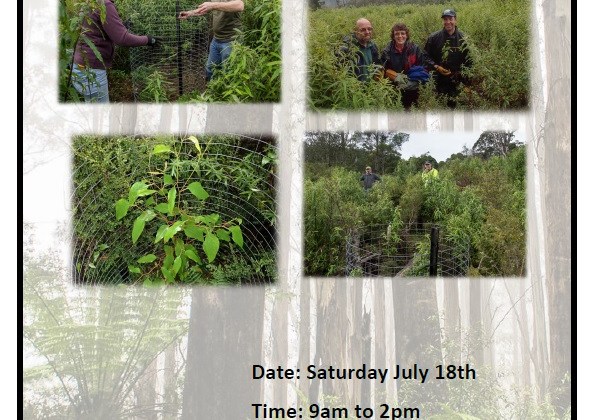
The planting site is on a north facing slope along the Grand Ridge Rd, it had been originally successfully planted with Mountain Ash in the early 1990’s. Unfortunately the fires in 2009 killed them all and there was no natural regeneration of new overstorey because they had not yet started to flower and produce seed. This is the second year we have done planting at this site and with the aid of strong wire-mesh wallaby guards progress towards restoring the site is going fantastically well.

If you can’t make it along for the Saturday we do need volunteers to help make up tree guards before the event and may need to do some more planting later on if we don’t finish the job on the 29th, so let us know if you are available.

The meeting point on Saturday the 29th will be at the park visitors centre at 9.00am.

BYO: Lunch, Drinks, Gloves.

To register phone David on 0488 035 314

or email friendsoftarrabulga@gmail.com

Planting Day 29-8-2015

Planting Day 29-8-2015

Diaper Track Planting Day – July 18th

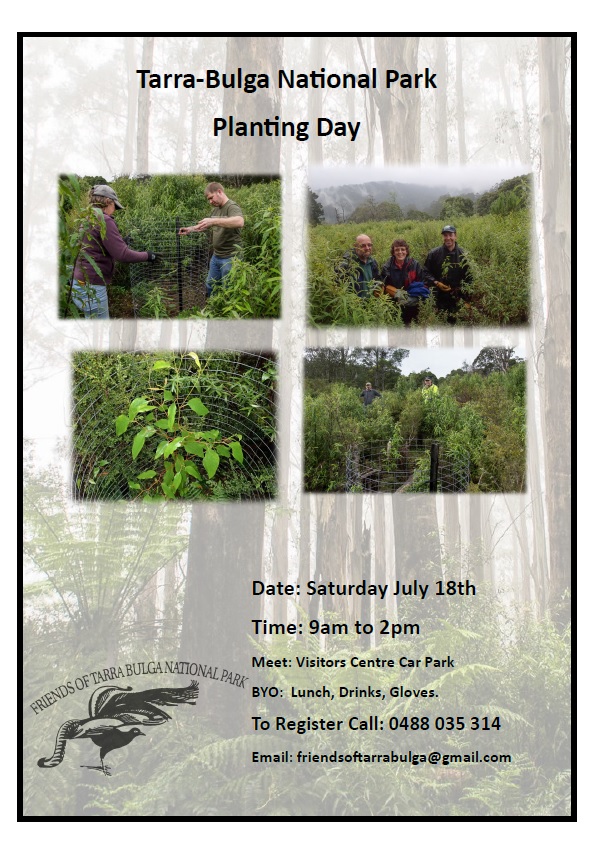
Friends of Tarra-Bulga are looking for volunteers to assist with a planting day on Saturday July the 18th. This will be the third planting we have undertaken at this site along Diaper Track and we are really starting to see some fantastic results. It would be a great opportunity for past volunteers to come along and view the progress being made, but anyone interested in helping restore a towering Mt Ash forest is encouraged to come along.

The meeting point will be at the park visitors centre at 9.00am.

BYO: Lunch, Drinks, Gloves.

To register phone David on 0488 035 314.

Planting Day Diaper Tk 2015

Snow Photos August 2nd 2014

These photos supplied by a follower of our Facebook page were taken yesterday morning, when we had a nice dusting of snow. Beautiful conditions for sight seeing and not too much snow (which can damage the vegetation that is not used to snow).


Also check out the photos from a similar event 12 months ago.

Related Posts:

Snow at Tarra-Bulga

Images of Tarra-Bulga National Park

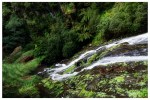
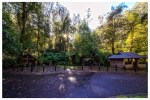
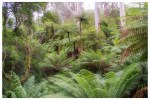
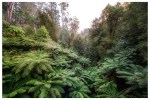
We have been showing off a some photos of the lovely vistas you may encounter while  visiting Tarra-Bulga National Park on our Facebook and Twitter sites lately.  Here are some of these photos for our website followers. We would hate you to feel like you were missing out! (Click on any image to start scrolling through the gallery)

When Koalas are on to a good thing.

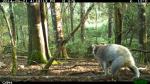
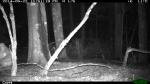
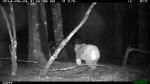
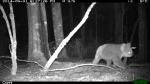
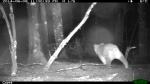
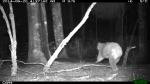
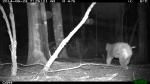
Amazing how much of a routine Koalas get into. At a camera site we had been monitoring for over 12 months, we had never come across a Koala. In fact you wouldn’t really have expected one because it is in a regrowth area of Silver Wattle, with the nearest suitable Eucalypts quite a distance away. All of a sudden our camera location has become a point on a local Koalas new favourite path. Since late May it has been crossing by our camera on average every couple of days, all up a total of 24 times (and still counting).

It is interesting to click on and check out this photo gallery to see just how regular of a routine it has.

See What When – Remote Camera Hourly Analysis

A recent post reporting on the results of our camera trap monitoring program for 2013, identified a trend with Swamp Wallabies where numbers photographed by across the park by camera traps dropped very sharply after July.  We have no real explanation for this, but as we gather further data, it will be interested to see large annual fluctuations in the Wallaby count continues.
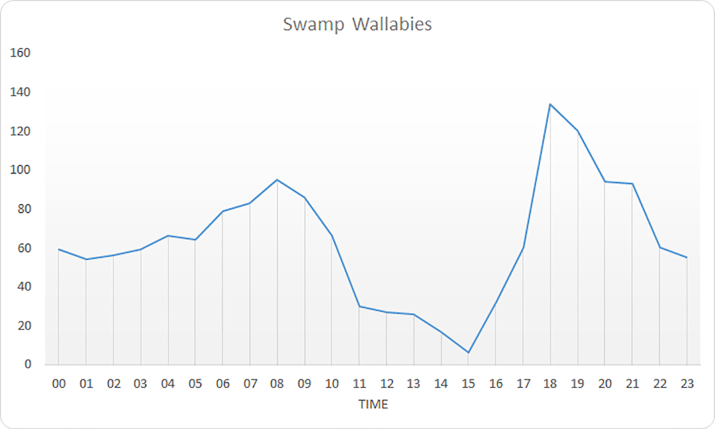
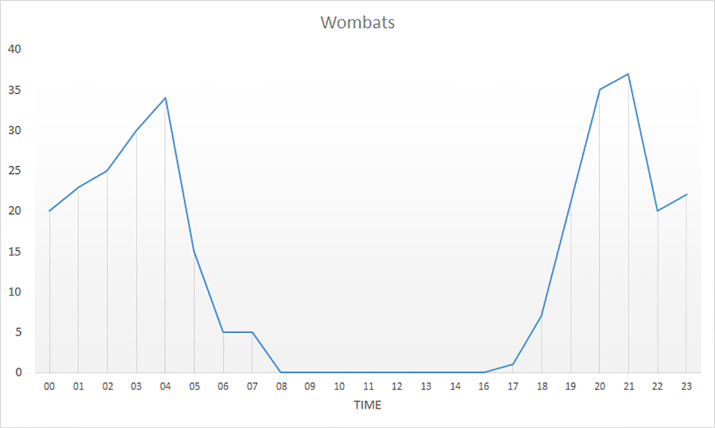
We had an inquiry as to whether it was more common to record Swamp Wallabies in daylight or during the night-time, which is an interesting question and one which is easy to work out from our database. So after crunching some numbers here are some answers, not just for Swamp Wallabies, but for all our commonly recorded species.

Swamp Wallabies

Swamp Wallabies

Swamp Wallaby triggers are fairly regular at any time of day or night, they do seem to slow down as you might predict in the middle of the day, but then fire up to have their peak numbers in the early evening.

Wombats

Wombats

Although it is not particularly uncommon to see Wombats out during the day sometimes, perhaps surprisingly we have never had one trigger a camera between 8am to 4pm. They seem to have peak activity in the evening and another peak around 4am.

Long-nosed Bandicoots

Long-nosed Bandicoots

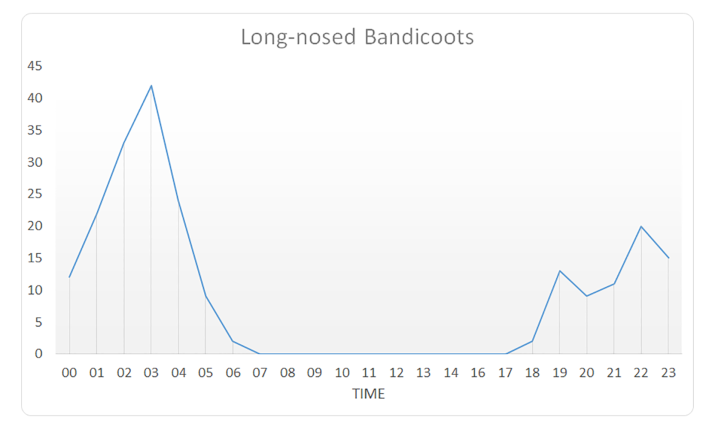
It’s no surprise that these Bandicoots are rarely seen, although we get fairly regular photos of them, they seem to have a definite peak of activity between 2am and 4am.

Foxes

FoxesThe graph shows here that there is never any time of day for animals to be complacent. Foxes can be active at any time of day, seems like they are marginally more common at night. Also have data on Feral Cats, they too can be around at all hours, but seem less likely than a Fox to be around in daylight.

Lyrebirds

Lyrebirds

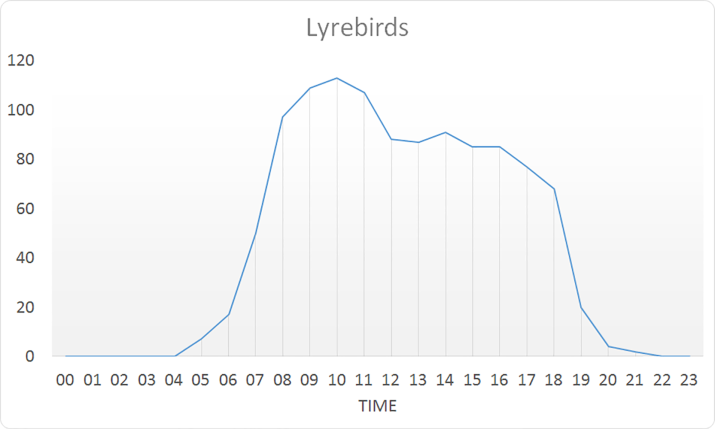
Lyrebirds in Tarra-Bulga obviously need to make the most of the daylight hours. It seems there is a slightly greater chance they will be snapped by a camera in the morning, but overall any time of the day is good for them.


 Related Posts:

2013 Remote Camera Stats

Camera Site Greatly Exceeds Expectations

Orange Pore Fungi - Favolaschia calocera

Alien Fungi

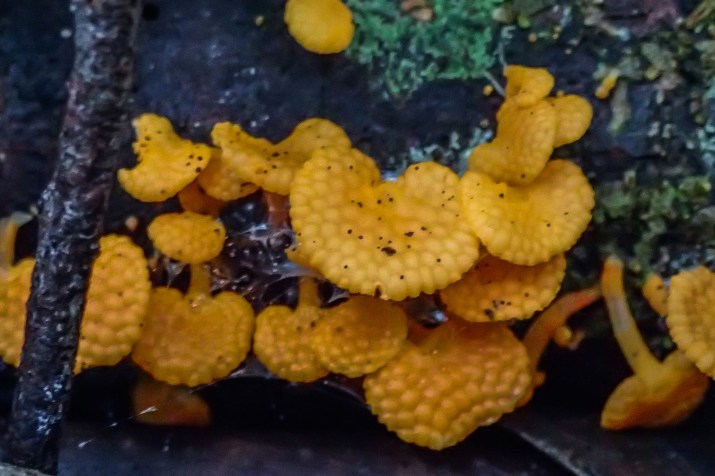
Seems like not only plants and animals can be invasive. Yesterday, while walking along Forest Track, I spotted an unusual Fungi fruiting on a fallen log. It was a vivid orange colour and seemed to have an unusual pore arrangement on the underside. After snapping a few photos, I headed home to consult the field guides. Seeing nothing really to match, I uploaded the photo to http://www.Bowerbird.org.au  where a subscriber there quickly identified it as an exotic species, Favolaschia calocera otherwise known as Orange Pore Fungi.

Orange Pore Fungi - Favolaschia calocera, underside showing the pores.
Orange Pore Fungi – Favolaschia calocera

This Fungi apparently is a recent arrival to Australia the first record of it is from 2005. It was first observed in Madagascar and has recently spread to a number of countries across the globe. According to Wikipedia it colonises ruderal sites (Wastelands/Roadsides) where it can become the dominate species. Fingers crossed it does not become a dominate feature of our not so ruderal forests. Not sure how you can weed out or control a pest fungi.

Orange Pore Fungi - Favolaschia calocera
Orange Pore Fungi – Favolaschia calocera, View from the top showing the caps.