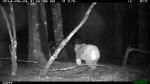
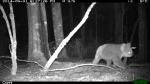
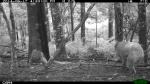
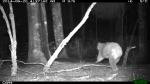
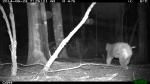
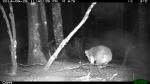
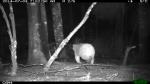
Thanks to group members Martin and Bernadette for letting us use this great camera footage they captured from a very busy Lyrebird mound just near the park in the Tarra Valley. The video catches a male Lyrebird at the peak of the breeding season, strutting his stuff in a full display.
Category: Remote Cameras
Cats in Tarra-Bulga National Park
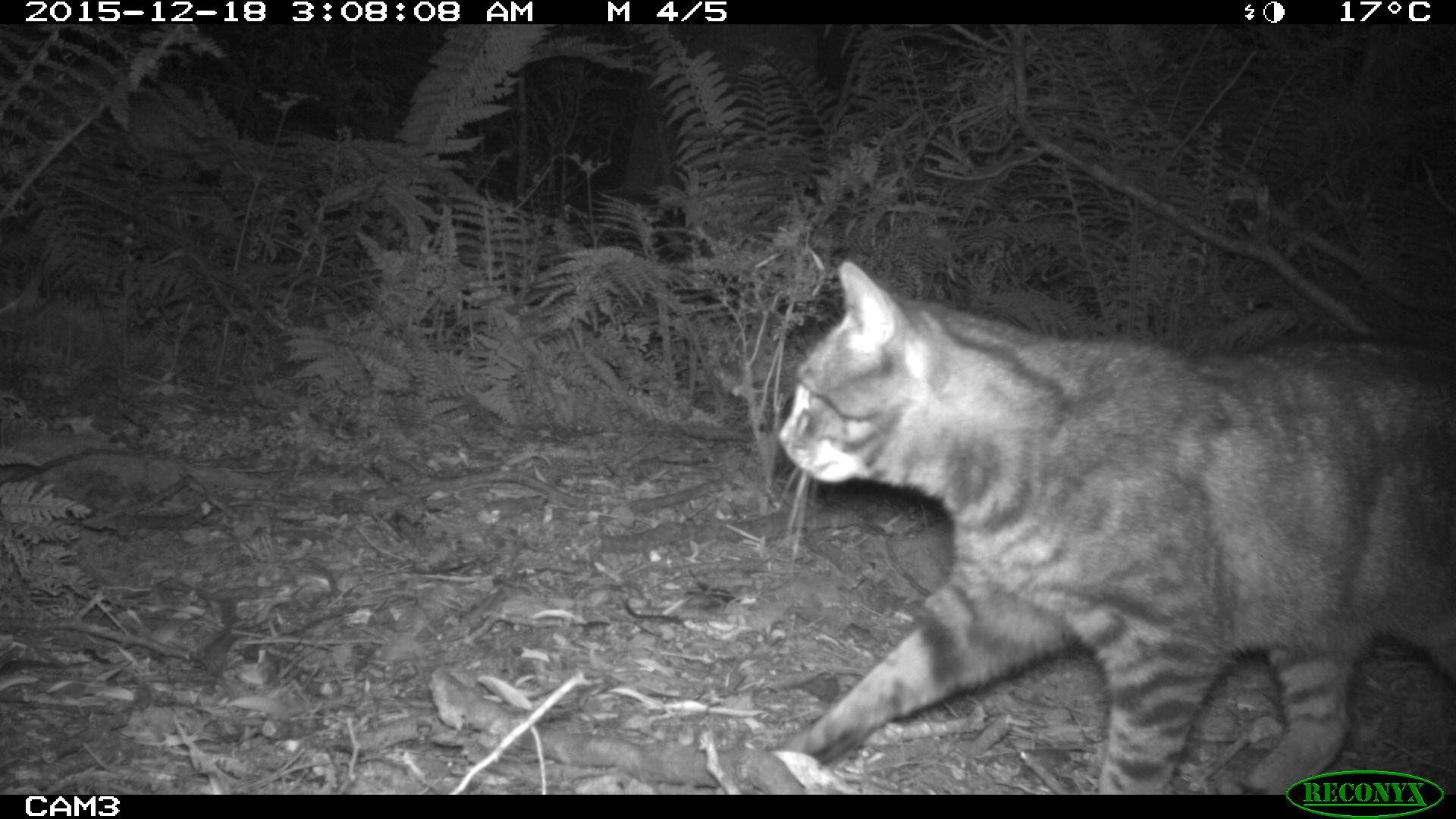
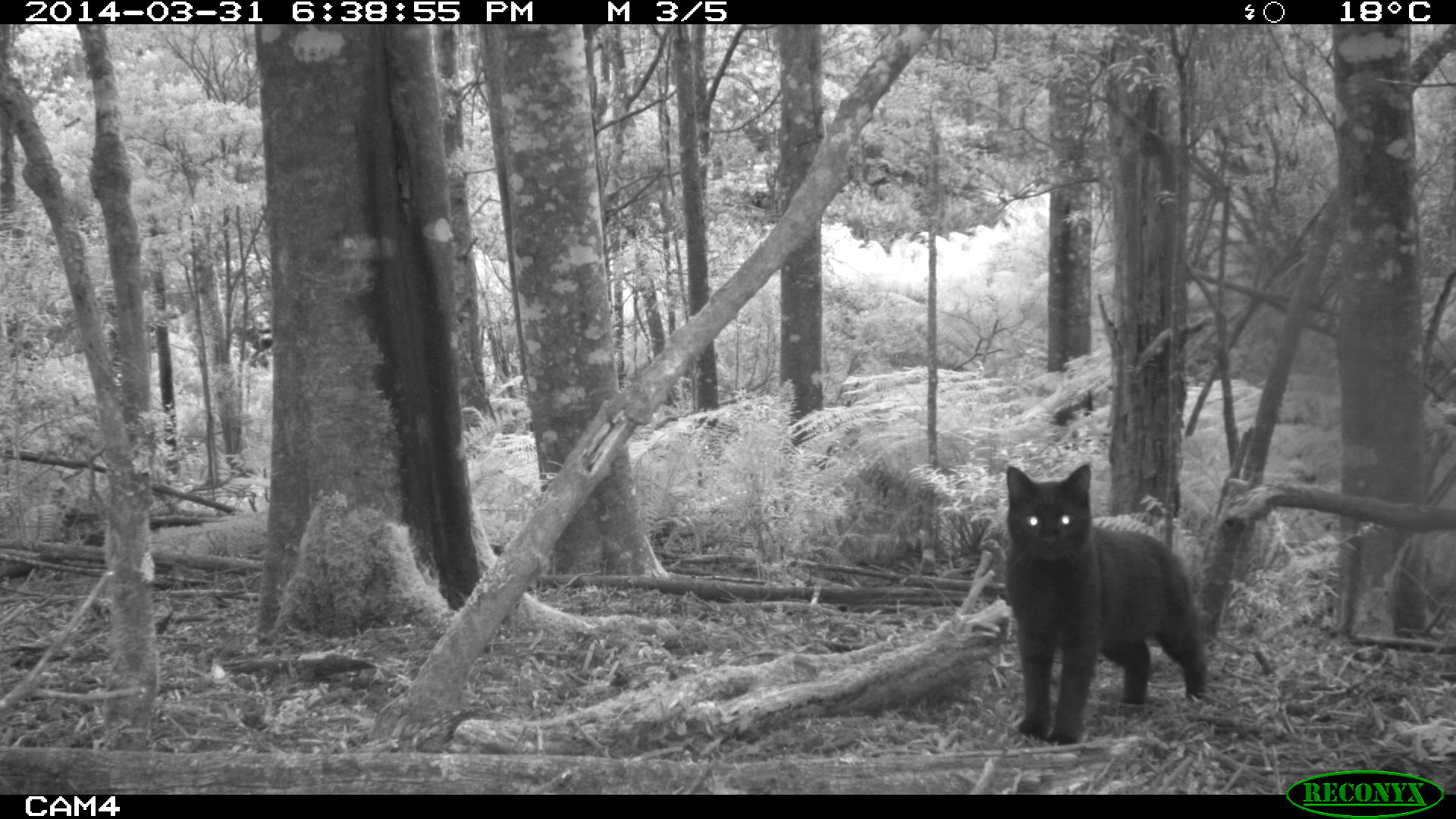
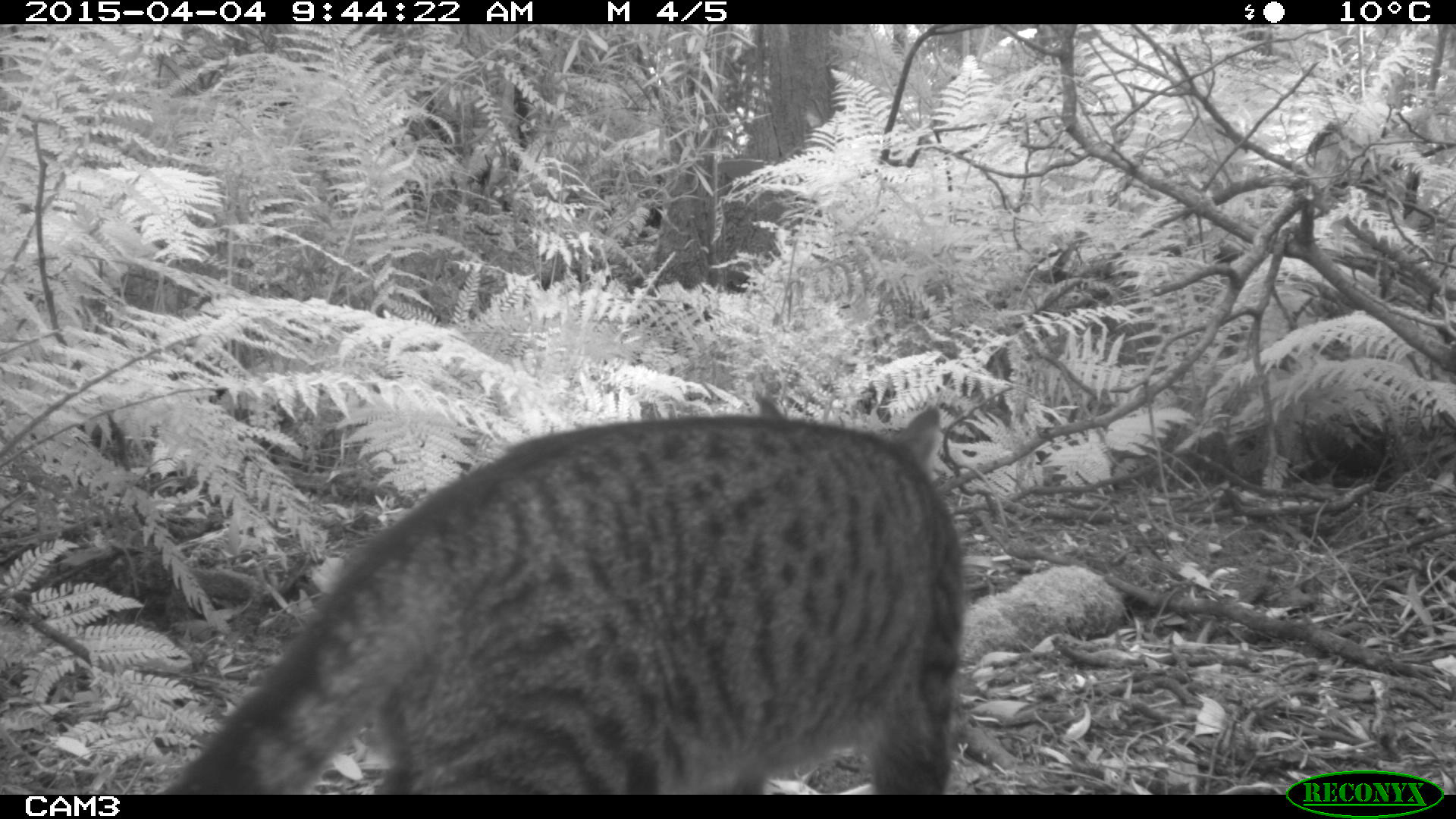
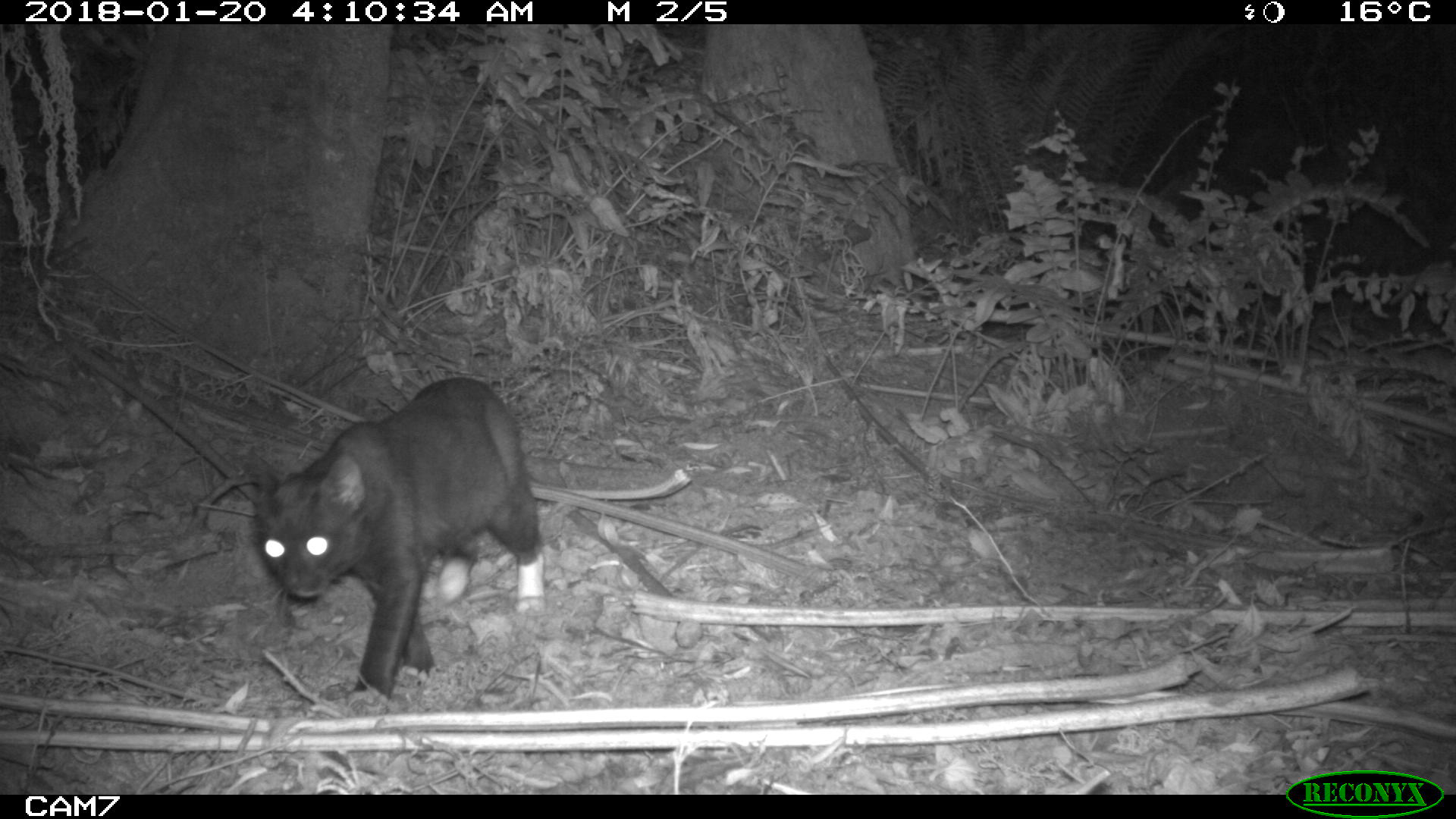
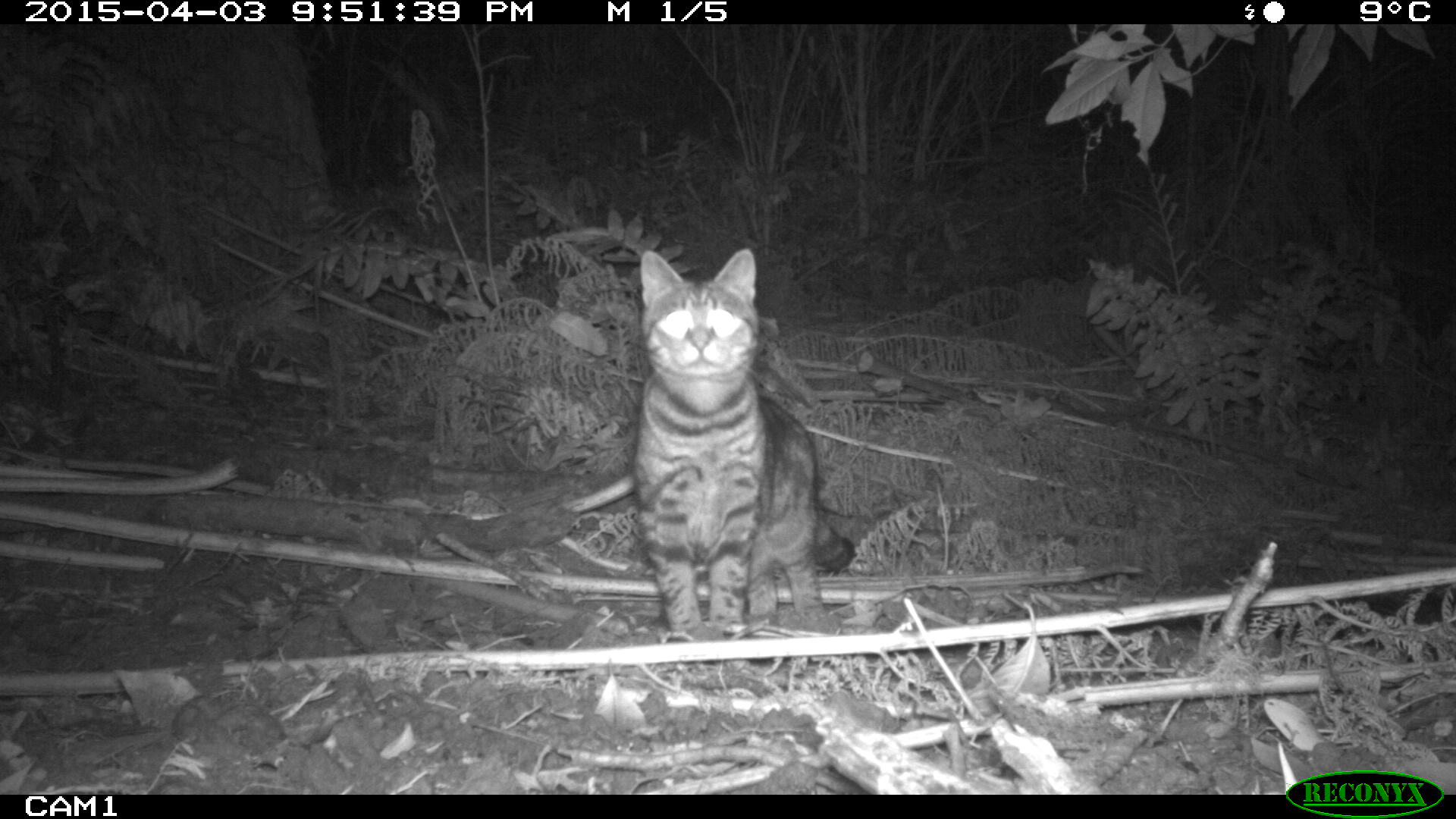
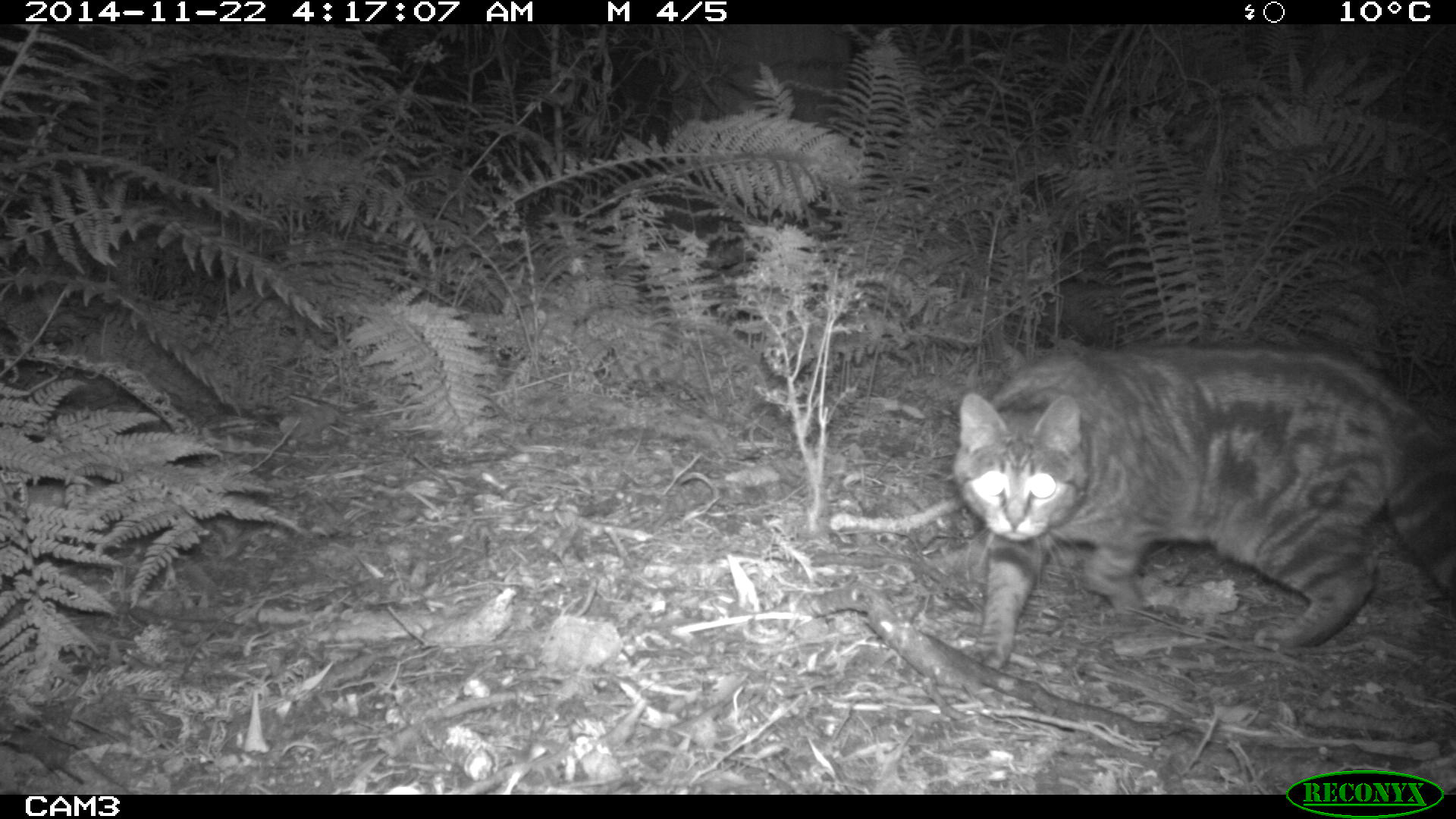
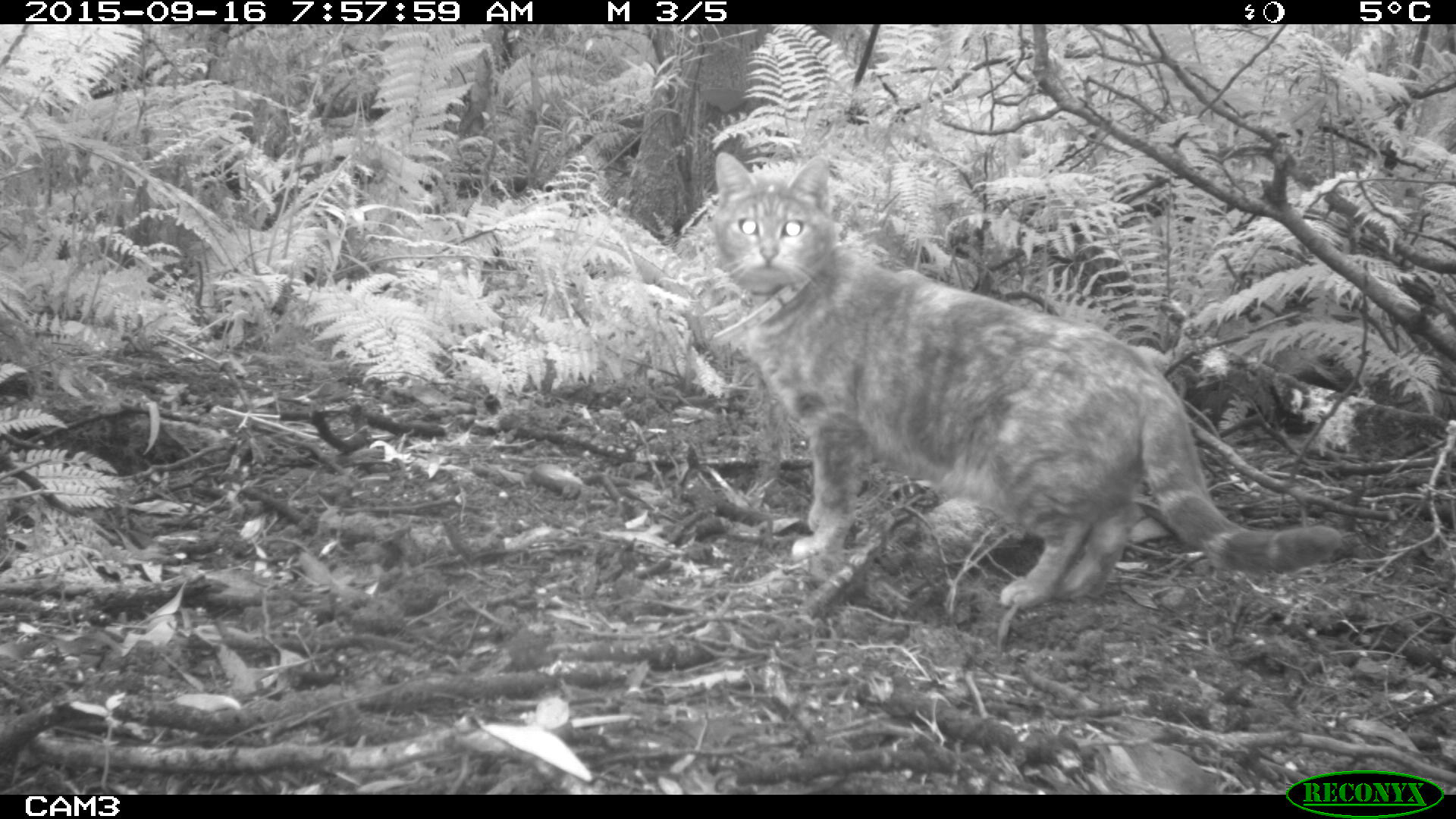
Although they are not often seen by visitors, feral and domestic cats are established predators at Tarra-Bulga National Park and our remote camera results suggest they are becoming more common.
The table below shows results from five years of remote camera monitoring carried out by the Friends of Tarra-Bulga Park. Cat numbers as a percentage of total species recorded rose dramatically from 0.7 to 3.9%.
| Year | 2012 | 2013 | 2014 | 2015 | 2016 | 2017 |
| No. of Cats Records | 16 | 33 | 64 | 59 | 41 | 64 |
| Total Records | 2208 | 2898 | 4827 | 3804 | 1352 | 1638 |
| Percentage of Cats | 0.7% | 1.1% | 1.3% | 1.6% | 3.0% | 3.9% |
The impact these cats are having on the birds, small mammals and reptiles is a real concern. Although there are many variables in the ways we set up our cameras, the general trend in the last few years is for them to be detecting greater numbers of cats and less small native mammals (e.g. Antechinus and Bush Rats). Sadly we have also been detecting less of the smaller birds such as Pilotbirds and White-browed Scrubwrens. (For a summary of sightings of others species download this Percentage of sightings per year for commonly detected species captured in remote camera photos )
The gallery below shows that cats in Tarra-Bulga range from large ferals and panther look-alikes to small (some might say cute) looking kittens, some even have collars. What is undeniable though, is that their presence has a major impact on the ecology of Tarra-Bulga National Park.


Remote Camera Results Updated to include 2015
Overall total number of species sightings – all cameras
| 2012 | 2013 | 2014 | 2015 | |
| Antechinus | 79 | 106 | 86 | 59 |
| Bassian Thrush | 198 | 198 | 934 | 719 |
| Brown Gerygone | 0 | 0 | 1 | 2 |
| Brown Thornbill | 0 | 3 | 0 | 5 |
| Brush Bronzewing | 3 | 21 | 590 | 1356 |
| Common Blackbird | 27 | 16 | 183 | 145 |
| Common Bronzewing | 0 | 1 | 5 | 0 |
| Common Brushtail Possum | 75 | 13 | 0 | 5 |
| Crimson Rosella | 7 | 8 | 284 | 5 |
| Cuckoo Fantailed | 0 | 0 | 0 | 2 |
| Dog | 0 | 1 | 1 | 0 |
| Eastern Whipbird | 31 | 20 | 143 | 137 |
| Eastern Yellow Robin | 3 | 4 | 11 | 12 |
| Echidna | 24 | 24 | 63 | 107 |
| Fantail, Grey | 0 | 3 | 0 | 0 |
| Fantail, Rufous | 3 | 3 | 7 | 0 |
| Feral Cat | 24 | 49 | 95 | 99 |
| Fox | 191 | 323 | 336 | 140 |
| Grey Currawong | 7 | 16 | 23 | 7 |
| Grey Shrike-Thrush | 3 | 3 | 8 | 0 |
| Human | 0 | 0 | 1 | 0 |
| Koala | 3 | 14 | 118 | 75 |
| Kookaburra | 0 | 9 | 4 | 17 |
| Large Billed Scrubwren | 0 | 0 | 0 | 2 |
| Long Nosed Bandicoot | 287 | 119 | 270 | 652 |
| Lyrebird | 486 | 902 | 1809 | 973 |
| Magpie | 3 | 0 | 0 | 0 |
| Mountain Brushtail Possum | 181 | 235 | 243 | 289 |
| Olive Whistler | 7 | 15 | 7 | 10 |
| Pied Currawong | 3 | 6 | 10 | 8 |
| Pilotbird | 21 | 50 | 136 | 217 |
| Rabbit | 191 | 58 | 34 | 90 |
| Rattus Species | 120 | 213 | 222 | 189 |
| Raven Species | 0 | 1 | 4 | 0 |
| Ring-tailed Possum | 7 | 85 | 29 | 67 |
| Satin Bowerbird | 21 | 8 | 3 | 5 |
| Sugar Glider | 0 | 4 | 1 | 0 |
| Superb Fairy-wren | 3 | 5 | 66 | 7 |
| Swamp Wallaby | 749 | 1382 | 1112 | 677 |
| Tawny Frogmouth | 0 | 0 | 3 | 0 |
| Wedge-tailed Eagle | 3 | 0 | 0 | 0 |
| White-browed Scrubwren | 89 | 71 | 264 | 130 |
| White Throated Tree-creeper | 0 | 0 | 4 | 3 |
| Wombat | 202 | 234 | 176 | 130 |
Without any advanced statistical scrutiny strong trends include:Our remote camera monitoring has now reached four solid years of records. Although not a flawless scientifically planned project there are still be some interesting developments. The table above shows the total sightings of each species combined across all of the camera sites. There are many variables in these results, the main one being that cameras have been moved around different habitats at different times, so have not constantly been in the one place.
- A massive rise in the number of Brush Bronzewings every year.
- A rise in the number of other ground dwelling bird species including Bassian Thrushes, Pilotbirds, Eastern Whipbirds and Common Blackbirds.
- An increase in the number of Long-nosed Bandicoots (although this may be explained by moving cameras to areas where habitat is more suitable).
- Crimson Rosellas had a huge spike in numbers in 2014 (maybe because there was a lot of wattle seed on the ground?)
- An upward trend in Echidna and Feral Cat numbers.
- A drop in Fox numbers in 2015.
- 2014 had double the amount of Lyrebird sightings than other years.
Several cameras have been left in the same spot for several years and it is possible to compare the results of these sites with the overall figures.
Site: Tarra Bulga – North East
Habitat: Mountain Ash forest with an open understorey consisting of scattered shrubs, ferns and grasses:
| Species | 2013 | 2014 | 2015 |
| Antechinus | 0 | 23 | 3 |
| Bassian Thrush | 36 | 298 | 209 |
| Brown Gerygone | 0 | 1 | 0 |
| Brush Bronzewing | 1 | 121 | 102 |
| Common Blackbird | 5 | 103 | 41 |
| Common Bronzewing | 1 | 0 | 0 |
| Eastern Whipbird | 4 | 79 | 98 |
| Eastern Yellow Robin | 0 | 1 | 2 |
| Echidna | 5 | 8 | 11 |
| Fantail, Rufous | 1 | 0 | 0 |
| Feral Cat | 3 | 6 | 16 |
| Fox | 40 | 68 | 17 |
| Grey Currawong | 1 | 0 | 0 |
| Grey Shrike-Thrush | 1 | 1 | 0 |
| Koala | 11 | 0 | 2 |
| Long Nosed Bandicoot | 38 | 13 | 8 |
| Lyrebird | 106 | 145 | 159 |
| Mountain Brushtail Possum | 8 | 10 | 16 |
| Pied Currawong | 2 | 0 | 0 |
| Pilotbird | 1 | 23 | 11 |
| Rabbit | 35 | 11 | 14 |
| Rattus Species | 10 | 44 | 65 |
| Ring-tailed Possum | 4 | 0 | 2 |
| Satin Bowerbird | 2 | 1 | 0 |
| Swamp Wallaby | 55 | 30 | 17 |
| White Throated Tree-creeper | 0 | 0 | 2 |
| White-browed Scrubwren | 3 | 39 | 24 |
| Wombat | 27 | 53 | 29 |
Site: West of Balook
Habitat – Forest with an open understorey, canopy consists of mature Silver Wattle.
| Species | 2013 | 2014 | 2015 |
| Bassian Thrush | 0 | 7 | 26 |
| Brown Thornbill | 0 | 0 | 1 |
| Brush Bronzewing | 10 | 45 | 272 |
| Common Blackbird | 6 | 5 | 1 |
| Common Bronzewing | 0 | 4 | 0 |
| Crimson Rosella | 0 | 122 | 3 |
| Eastern Whipbird | 1 | 0 | 6 |
| Eastern Yellow Robin | 0 | 1 | 2 |
| Echidna | 3 | 10 | 2 |
| Fantail, Rufous | 0 | 1 | 0 |
| Feral Cat | 27 | 22 | 17 |
| Fox | 64 | 111 | 53 |
| Grey Currawong | 3 | 5 | 1 |
| Koala | 0 | 79 | 30 |
| Kookaburra | 10 | 3 | 9 |
| Long Nosed Bandicoot | 17 | 0 | 3 |
| Lyrebird | 237 | 510 | 116 |
| Mountain Brushtail Possum | 46 | 11 | 7 |
| Olive Whistler | 0 | 0 | 1 |
| Pied Currawong | 1 | 4 | 3 |
| Pilotbird | 0 | 5 | 7 |
| Rabbit | 6 | 0 | 2 |
| Raven Species | 1 | 1 | 0 |
| Rattus Species | 0 | 0 | 1 |
| Satin Bowerbird | 0 | 0 | 2 |
| Sugar Glider | 0 | 1 | 0 |
| Superb Fairy-wren | 0 | 1 | 0 |
| Swamp Wallaby | 955 | 374 | 179 |
| Tawny Frogmouth | 0 | 2 | 0 |
| White Throated Tree-creeper | 0 | 1 | 0 |
| White-browed Scrubwren | 3 | 18 | 3 |
| Wombat | 54 | 16 | 20 |
Comments: The open nature of this site means it is less suited to small mammals. Popular site for Swamp Wallabies to congregate. Openness also suits many ground feeding birds scratching around or eating fallen seeds. Foxes and cats often pass through. Has been a Koala habitually passing the camera every few days between its favourite trees.
Site: Balook Area
Habitat: Open forest with regenerating Mountain Ash, Ferny understorey with some thick scrubby patches near by.
| Species | 2013 | 2014 | 2015 |
| Antechinus | 0 | 5 | 9 |
| Bassian Thrush | 9 | 276 | 222 |
| Brush Bronzewing | 0 | 101 | 303 |
| Common Blackbird | 0 | 38 | 65 |
| Cuckoo Fantailed | 0 | 0 | 1 |
| Crimson Rosella | 0 | 71 | 0 |
| Dog | 0 | 1 | 0 |
| Eastern Whipbird | 0 | 19 | 13 |
| Eastern Yellow Robin | 0 | 4 | 3 |
| Echidna | 4 | 1 | 2 |
| Feral Cat | 4 | 29 | 17 |
| Fox | 136 | 38 | 5 |
| Grey Currawong | 0 | 3 | 0 |
| Grey Shrike-Thrush | 0 | 1 | 0 |
| Koala | 0 | 3 | 2 |
| Long Nosed Bandicoot | 6 | 149 | 168 |
| Lyrebird | 123 | 145 | 45 |
| Mountain Brushtail Possum | 95 | 73 | 79 |
| Olive Whistler | 0 | 4 | 4 |
| Pied Currawong | 0 | 0 | 2 |
| Pilotbird | 2 | 51 | 117 |
| Rabbit | 17 | 14 | 45 |
| Rattus Species | 11 | 79 | 23 |
| Ring-tailed Possum | 19 | 0 | 1 |
| Satin Bowerbird | 6 | 0 | 1 |
| Superb Fairy-wren | 0 | 1 | 4 |
| Swamp Wallaby | 136 | 184 | 151 |
| White-browed Scrubwren | 0 | 19 | 21 |
| Wombat | 108 | 25 | 14 |
Comment: Good site for a diversity of species, some scrubby ground-cover in the area makes it a good spot for Bandicoots, with a high proportion of our Bandicoots sightings recorded here. Also good for introduced Common Blackbirds and Rabbits that like to hide in cover. Like other sites had a big spike in Crimson Rosella numbers in 2014. Interestingly large drop in Fox numbers.
Lyrebird Numbers Up, Brush Bronze-wing Population Explodes!
Friends of Tarra-Bulga have now been using remote cameras within the park to monitor wildlife for over three years. The table below shows results adjusted for the number of days cameras have been active in the field. We currently have eight cameras that are moved around to different sites on a regular basis. As of January 2015 the cameras had spent a combined total of over 5000 days in the field and were triggered by animal movements over 10,000 times.

The results show a number of interesting trends. For mammals most species have not varied much in the frequency of sightings over the 3 years with a few exceptions. There was a large jump in Koala sightings in 2014 most were at one site where a Koala developed a routine of passing by every couple of days. Feral Cat numbers have risen each year and Ring-tailed Possum sightings seem to have declined. (the figures for Ring-tails have been influenced heavily by one popular site).

There has been a massive jump in the numbers of birds that the cameras are detecting. The number Lyrebirds passing cameras have doubled each year. Bassian Thrush (Zoothera lunulata) sightings increased around 600% in 2014 and Brush Bronze-wing numbers skyrocketed from only 15 sightings in 2013 up to 404. Crimson Rosellas, Eastern Whipbirds, Pilotbirds and *Common Blackbirds all had a significant rise in detection. Two smaller species the White-browed Scrubwren and the Superb Fairy Wren were also ‘captured’ more often.

A reason for the jump in bird numbers may be due to camera placement. One site used in 2014 was very popular for ground dwelling bird, however this does not fully explain the rise, other camera sites were used in both years and showed a big increase ground dwelling birds from 2013. Fox control efforts in recent years may also be a factor helping the birds numbers increase. Our results have picked up a small rise in Fox numbers over the last few years. As our monitoring continues, time will tell if this greater abundance of bird sightings will be maintained.
| Species | 2012 | 2013 | 2014 |
| Lyrebird | 319 | 618 | 1239 |
| Bassian Thrush | 136 | 135 | 639 |
| White-browed Scrubwren | 61 | 49 | 181 |
| Eastern Whipbird | 21 | 14 | 98 |
| Pilotbird | 14 | 35 | 93 |
| Satin Bowerbird | 14 | 5 | 2 |
| Crimson Rosella | 5 | 5 | 195 |
| Grey Currawong | 5 | 11 | 16 |
| Olive Whistler | 5 | 9 | 5 |
| Brush Bronzewing | 2 | 15 | 404 |
| Eastern Yellow Robin | 2 | 3 | 8 |
| Fantail, Rufous | 2 | 2 | 5 |
| Grey Shrike-Thrush | 2 | 3 | 6 |
| Magpie | 2 | 0 | 0 |
| Pied Currawong | 2 | 4 | 7 |
| Superb Fairy-wren | 2 | 3 | 45 |
| Wedge tailted Eagle | 2 | 0 | 0 |
| Brown Gerygone | 0 | 0 | 1 |
| Brown Thornbill | 0 | 2 | 0 |
| Common Bronzewing | 0 | 1 | 4 |
| Fantail, Grey | 0 | 2 | 0 |
| Kookaburra | 0 | 6 | 3 |
| Raven Species | 0 | 1 | 3 |
| Tawny Frogmouth | 0 | 0 | 2 |
| White Throated Tree-creeper | 0 | 0 | 3 |
| Fox | 131 | 220 | 229 |
| Rabbit | 126 | 39 | 24 |
| Common Blackbird | 19 | 10 | 125 |
| Feral Cat | 16 | 33 | 64 |
| Human | 0 | 0 | 1 |
| Swamp Wallaby | 513 | 947 | 761 |
| Long Nosed Bandicoot | 197 | 81 | 185 |
| Brushtail Possum | 176 | 171 | 169 |
| Wombat | 138 | 160 | 120 |
| Rattus Species | 82 | 146 | 152 |
| Antechinus | 54 | 73 | 59 |
| Echidna | 16 | 16 | 43 |
| Ring-tailed Possum | 5 | 58 | 20 |
| Koala | 2 | 9 | 81 |
| Dog | 0 | 1 | 1 |
| Sugar Glider | 0 | 3 | 1 |
| Unidentifiable Bird | 103 | 101 | 119 |
| Small Mammal – Unidentifiable | 47 | 67 | 44 |
| Large Mammal – Unidentifiable | 33 | 16 | 29 |
When Koalas are on to a good thing.
Amazing how much of a routine Koalas get into. At a camera site we had been monitoring for over 12 months, we had never come across a Koala. In fact you wouldn’t really have expected one because it is in a regrowth area of Silver Wattle, with the nearest suitable Eucalypts quite a distance away. All of a sudden our camera location has become a point on a local Koalas new favourite path. Since late May it has been crossing by our camera on average every couple of days, all up a total of 24 times (and still counting).
It is interesting to click on and check out this photo gallery to see just how regular of a routine it has.
See What When – Remote Camera Hourly Analysis
A recent post reporting on the results of our camera trap monitoring program for 2013, identified a trend with Swamp Wallabies where numbers photographed by across the park by camera traps dropped very sharply after July. We have no real explanation for this, but as we gather further data, it will be interested to see large annual fluctuations in the Wallaby count continues.
We had an inquiry as to whether it was more common to record Swamp Wallabies in daylight or during the night-time, which is an interesting question and one which is easy to work out from our database. So after crunching some numbers here are some answers, not just for Swamp Wallabies, but for all our commonly recorded species.
Swamp Wallabies
Swamp Wallaby triggers are fairly regular at any time of day or night, they do seem to slow down as you might predict in the middle of the day, but then fire up to have their peak numbers in the early evening.
Wombats
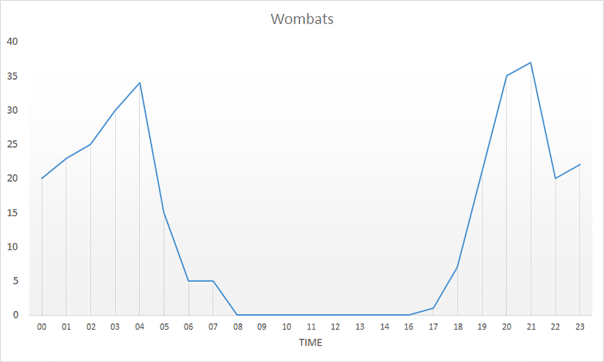
Although it is not particularly uncommon to see Wombats out during the day sometimes, perhaps surprisingly we have never had one trigger a camera between 8am to 4pm. They seem to have peak activity in the evening and another peak around 4am.
Long-nosed Bandicoots
It’s no surprise that these Bandicoots are rarely seen, although we get fairly regular photos of them, they seem to have a definite peak of activity between 2am and 4am.
Foxes
The graph shows here that there is never any time of day for animals to be complacent. Foxes can be active at any time of day, seems like they are marginally more common at night. Also have data on Feral Cats, they too can be around at all hours, but seem less likely than a Fox to be around in daylight.
Lyrebirds
Lyrebirds in Tarra-Bulga obviously need to make the most of the daylight hours. It seems there is a slightly greater chance they will be snapped by a camera in the morning, but overall any time of the day is good for them.
Related Posts:
2013 Remote Camera Stats
Here’s a breakdown for you all showing the species that triggered our remote cameras last year. The lower number of detection in the later part of the year can be explained by a few issues that we had with dodgy SD cards causing the batteries to conk out prematurely. Can’t explain why the Wallaby numbers vary so much each month. Some of the other species e.g. Lyrebirds, seem much more evenly represented over the year.
|
Breakdown of Remote Camera |
|||||||||||||
|
Species |
Total |
Jan |
Feb |
Mar |
Apr |
May |
Jun |
Jul |
Aug |
Sep |
Oct |
Nov |
Dec |
|
Swamp Wallaby |
978 |
50 |
44 |
105 |
139 |
164 |
186 |
157 |
28 |
14 |
28 |
15 |
48 |
|
Superb Lyrebird |
679 |
48 |
46 |
59 |
86 |
70 |
73 |
50 |
72 |
54 |
61 |
38 |
22 |
|
Fox |
256 |
16 |
22 |
20 |
49 |
39 |
30 |
28 |
20 |
8 |
10 |
10 |
4 |
|
Brushtail Possum |
190 |
12 |
8 |
27 |
33 |
20 |
13 |
20 |
9 |
4 |
11 |
15 |
18 |
|
Wombat |
175 |
3 |
12 |
14 |
22 |
33 |
13 |
24 |
10 |
4 |
7 |
26 |
7 |
|
Rat |
170 |
16 |
2 |
4 |
12 |
7 |
15 |
17 |
27 |
54 |
12 |
4 |
|
|
Bassian Thrush |
156 |
8 |
11 |
22 |
24 |
4 |
10 |
12 |
20 |
5 |
9 |
4 |
27 |
|
Unidentified Bird |
115 |
6 |
8 |
20 |
12 |
20 |
6 |
3 |
4 |
5 |
15 |
10 |
6 |
|
Long Nosed Bandicoot |
95 |
9 |
6 |
8 |
13 |
8 |
9 |
5 |
10 |
19 |
4 |
1 |
3 |
|
Antechinus |
84 |
3 |
9 |
8 |
16 |
12 |
5 |
12 |
6 |
2 |
5 |
5 |
1 |
|
Small Mammal – Unidentified |
76 |
5 |
2 |
2 |
5 |
14 |
6 |
13 |
14 |
5 |
4 |
4 |
2 |
|
Ring-tailed Possum |
61 |
1 |
2 |
2 |
2 |
5 |
6 |
18 |
18 |
7 |
|||
|
White-browed Scrubwren |
53 |
3 |
1 |
2 |
10 |
6 |
7 |
6 |
2 |
2 |
3 |
8 |
3 |
|
Rabbit |
46 |
1 |
5 |
3 |
2 |
6 |
4 |
4 |
3 |
18 |
|||
|
Pilotbird |
40 |
4 |
17 |
5 |
1 |
2 |
8 |
1 |
1 |
1 |
|||
|
Feral Cat |
39 |
3 |
1 |
10 |
7 |
3 |
3 |
4 |
5 |
1 |
1 |
1 |
|
|
Short-beaked Echidna |
19 |
1 |
2 |
2 |
7 |
3 |
1 |
3 |
|||||
|
Large Mammal – Unidentified |
19 |
1 |
4 |
7 |
1 |
2 |
4 |
||||||
|
Brush Bronzewing |
17 |
1 |
2 |
1 |
1 |
3 |
1 |
4 |
1 |
3 |
|||
|
Eastern Whipbird |
15 |
1 |
1 |
3 |
1 |
3 |
1 |
1 |
1 |
2 |
1 |
||
|
Grey Currawong |
13 |
1 |
8 |
1 |
1 |
1 |
1 |
||||||
|
Common Blackbird |
12 |
2 |
1 |
9 |
|||||||||
|
Koala |
11 |
1 |
5 |
2 |
1 |
1 |
1 |
||||||
|
Olive Whistler |
11 |
1 |
2 |
8 |
|||||||||
|
Kookaburra |
7 |
4 |
1 |
1 |
1 |
||||||||
|
Crimson Rosella |
5 |
1 |
4 |
||||||||||
|
Superb Fairy-wren |
4 |
1 |
1 |
1 |
1 |
||||||||
|
Satin Bowerbird |
4 |
1 |
1 |
1 |
1 |
||||||||
|
Pied Currawong |
4 |
1 |
3 |
||||||||||
|
Grey Shrike-Thrush |
3 |
2 |
1 |
||||||||||
|
Eastern Yellow Robin |
3 |
1 |
1 |
1 |
|||||||||
|
Sugar Glider |
3 |
2 |
1 |
||||||||||
|
Fantail, Grey |
2 |
1 |
1 |
||||||||||
|
Fantail, Rufous |
2 |
2 |
|||||||||||
|
Common Bronzewing |
1 |
1 |
|||||||||||
|
Raven Species |
1 |
1 |
|||||||||||
|
Brown Thornbill |
1 |
1 |
|||||||||||
|
Mystery Species |
1 |
1 |
|||||||||||
|
Dog |
1 |
1 |
|||||||||||