Hand Direct Seeding Trial to Combat Hungry Wallabies.

Grazing Swamp Wallabies are a huge hurdle to successfully growing new trees in sections of Tarra-Bulga National Park. Hard lessons have been learnt, 1000’s of trees have been planted, but experience has shown that even if they are hidden or planted among unpalatable species the Wallabies will eventually find them and eat them.  Regular tree-guards have proven to be of little use, they may protect the plant for a short while but Wallabies will chew any growth at the top of the guards that they can reach, the plant will remain stunted and eventually die. A commercially available Wallaby repellent mixture  can be sprayed on new growth to protect it, but that is labor intensive and requires regular follow up to have any chance of success, not a viable task in our situation with limited time and rough terrain to encounter . The only strategy that does seem to work for us is to use large wire mesh tree-guards which are expensive and very labor intensive to install and eventually remove once the trees have grown big enough..

Why do we think direct seeding might be a solution? Nursery grown tube-stock are generally grown in ideal conditions, with fertiliser, controlled sunlight and regular watering, as a result the leaves are highly palatable. Plants that germinate from seed on sites should be tougher, slower growing and as a result have less tasty foliage. Mountain Ash along with other species of Eucalyptus seeds are very small, one gram of Mountain Ash seed contains nearly 200 viable seeds. For our trial we have 390 grams of Mt Ash seed, if all of them germinate we would have almost 80,000 seedlings scattered over the site. That is clearly an optimistic outcome but hopefully we can get a good germination strike rate and some of those tiny little seedlings can overcome the Wallabies and other forces of nature to successfully grow into mature trees. We will keep you posted.

Green Walks in the Park

The Green Walks in the Park program is sponsored by the Heart Foundation and every month there is a guided walk held at Tarra-Bulga National Park. The walks are a great way to explore the park as well as learn more about Tarra-Bulga from members of the Friends group or a Park Ranger along the way. The next two walks will be held on Tuesday November the 4th (Cup Day) and Monday December 1st. Both departing from the visitors centre carpark at 10am. To register contact Bonnie, Local Coordinator Heart Foundation Walking on 1800 242 696 further details  here Green Walks Nov and Dec 2014

Green Walks in the Park

September the 6th Planting Day

Come along on Saturday September the 6th of September to Tarra-Bulga National Park and participate in the Friends of Tarra-Bulga’s biggest planting day for the year. Once again they will be enhancing the world by planting some mighty Mountain Ash. This time it will be on a site along the Grand Ridge Rd. BYO Lunch, drinks and gloves. Meet at the park visitors centre at 9am. To register or for inquiries call 0488 035 314 or email:friendsoftarrabulga@gmail.com

planting day flyer

When Koalas are on to a good thing.

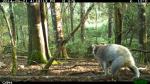
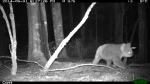
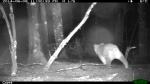
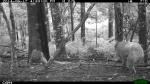
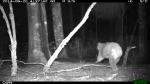
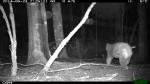
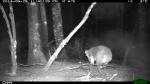
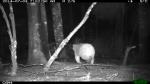
Amazing how much of a routine Koalas get into. At a camera site we had been monitoring for over 12 months, we had never come across a Koala. In fact you wouldn’t really have expected one because it is in a regrowth area of Silver Wattle, with the nearest suitable Eucalypts quite a distance away. All of a sudden our camera location has become a point on a local Koalas new favourite path. Since late May it has been crossing by our camera on average every couple of days, all up a total of 24 times (and still counting).

It is interesting to click on and check out this photo gallery to see just how regular of a routine it has.

Winter

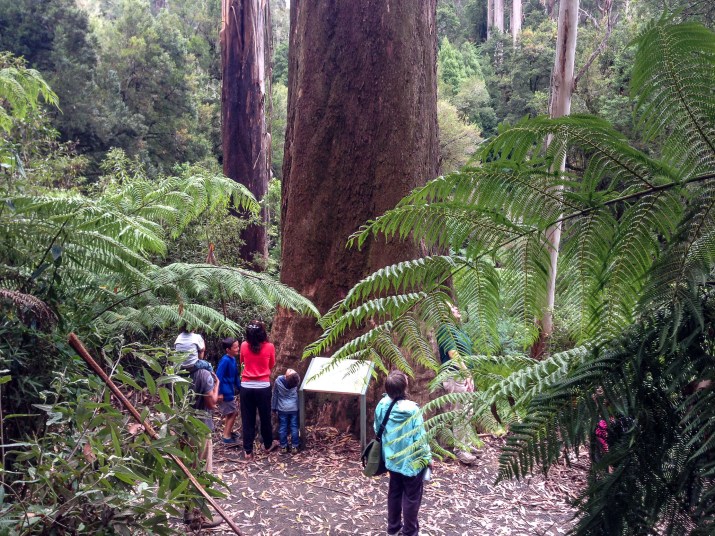
When is the best time of year to visit Tarra-Bulga? I would argue any time of year could be the answer as each season tends to bring its own particular highlights.

In spring you have lots of fresh new growth and it is the peak time to catch most things in flower. In summer the shady rainforest gullies are an ideal retreat from the heat. In autumn, the diversity of fungi adds to the experience. In winter, everything is lush and green. After rain, cascading mini waterfalls in unexpected places can add to the spectacle. It is also the time when Lyrebirds are putting on displays.


Lyrebird Survey Results 2014

Perfect conditions this year for our annual Lyrebird count, with a beautiful still and mild morning. Another bonus was thirty keen volunteers fronting up for the 6.15 am, which meant we could cover all our 16 monitoring points. Thank you so much everyone for turning up, with many coming from far and wide to participate.

From our mapping we identified at least 10 male birds calling, which in memory is one of our best results. At several stations tracing birds was easy because they were observed calling from trees directly overhead the post. The folk monitoring the Bulga Car Park also reported a male and female (or juvenile male) bird running through their site.

It was hard for many of us to drag ourselves away from the calling birds and across to the guest house for breakfast. The last group back had been lucky enough toc come across a male in full display next to his mound. It wasn’t  only Lyrebirds that were vocal on such a nice morning with Whip Birds, Tree Creepers Kookaburras and others adding to the morning chorus.

lyrebird count 2014
lyrebird count 2014


2014 Lyrebird Survey

One of our most popular volunteer activities is coming up on Saturday May 31st. The survey, which monitors trends in the Lyrebird population involves an early start. The meeting place is at the Tarra Bulga National Park Visitors Centre at 6.15 am. On arrival the recording process is explained and people are allocated to various monitoring points around the Bulga Park area.

The survey begins at sunrise with the first Lyrebird calls and only takes half an hour. Following the morning chorus, a free cooked breakfast is on offer at the Tarra-Bulga Guest House. If you would like to come along you need to contact ranger Craig Campbell (by Wednesday May the 28th on 5172 2508 or email craig.campbell@parks.vic.gov.au. Wear warm clothing, a parka, bring a watch, a torch and compass (optional).

A couple of birds from our Remote Camera monitoring.