Decade-Long Project: Restoring Grand Ridge Post-Fire

Project Completion and Background

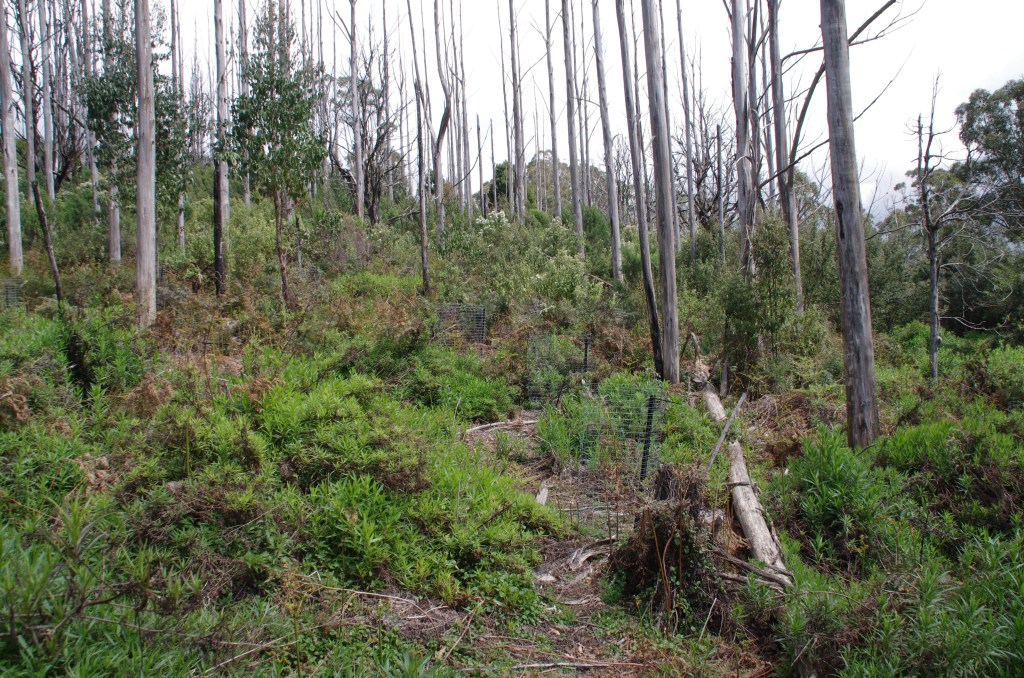
Recently, our group celebrated the completion of a major project that required over a decade of dedication. The project focused on a site on Grand Ridge Road. This site suffered the most severe impact within the park during the 2009 Black Saturday Churchill fire. As a north-facing slope, it absorbed the full force of the blaze. The fire was subdued by the moister vegetation higher up in the National Park. In other areas of the park, where Mountain Ash forests were burned, the fire’s intensity killed the trees. Yet, tens of thousands of seedlings quickly regenerated. They carpeted the ash bed. Unfortunately, this natural regeneration did not occur at our site. The Mountain Ash trees, planted in the early 1990’s, had grown tall. Still, they had not yet matured enough to flower and set seed. This left the area barren after the fire.

Early Recovery Efforts and Challenges

Once the immediate chaos of the fire subsided, the need for site recovery became clear. Fire recovery authorities responded by planting up to 10,000 seedlings across the site. Yet, this effort faced an unexpected challenge. A large population of hungry Swamp Wallabies consumed all the newly planted seedlings. In hindsight, the best approach would have been to aerially seed the site with overstorey species soon after the fire. This method would better mimic natural regeneration.

Launching Our Project

Four years after the fire, our group took on the challenge directly. We successfully applied for a “Communities for Nature” grant to purchase essential materials. Our previous experience taught us that the only way to protect seedlings until maturity was to use 1.2-meter-tall wire mesh tree guards, supported by star pickets. While effective, these guards were costly and labour-intensive to make, transport, install, and eventually remove.

With the grant, we acquired enough materials to construct 336 tree guards and purchase tube-stock. Additional funding allowed us to trial hand direct seeding at the site. The first plantings, carried out by contractors in 2013, were funded through a previous project. In 2014, after receiving our new grant, we began our on-ground efforts. That year, a crew from Conservation Volunteers Australia helped us construct the tree guards. In 2015, we organized our own working bees to build guards and complete the planting and installation.

Ongoing Maintenance and Outcomes

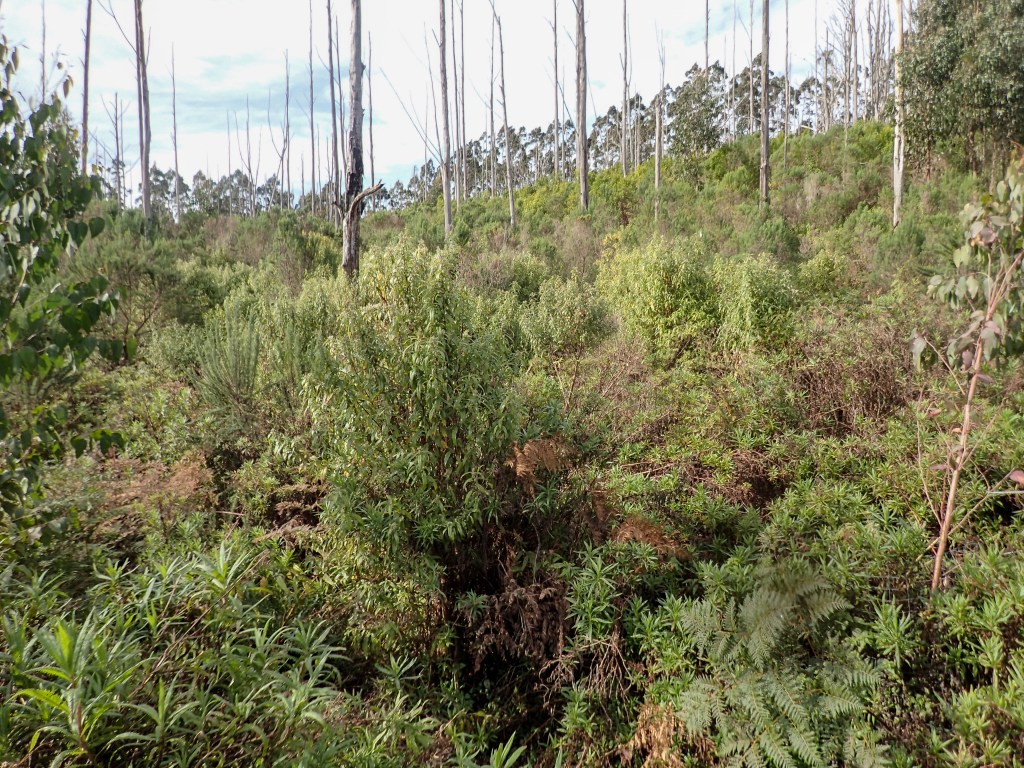
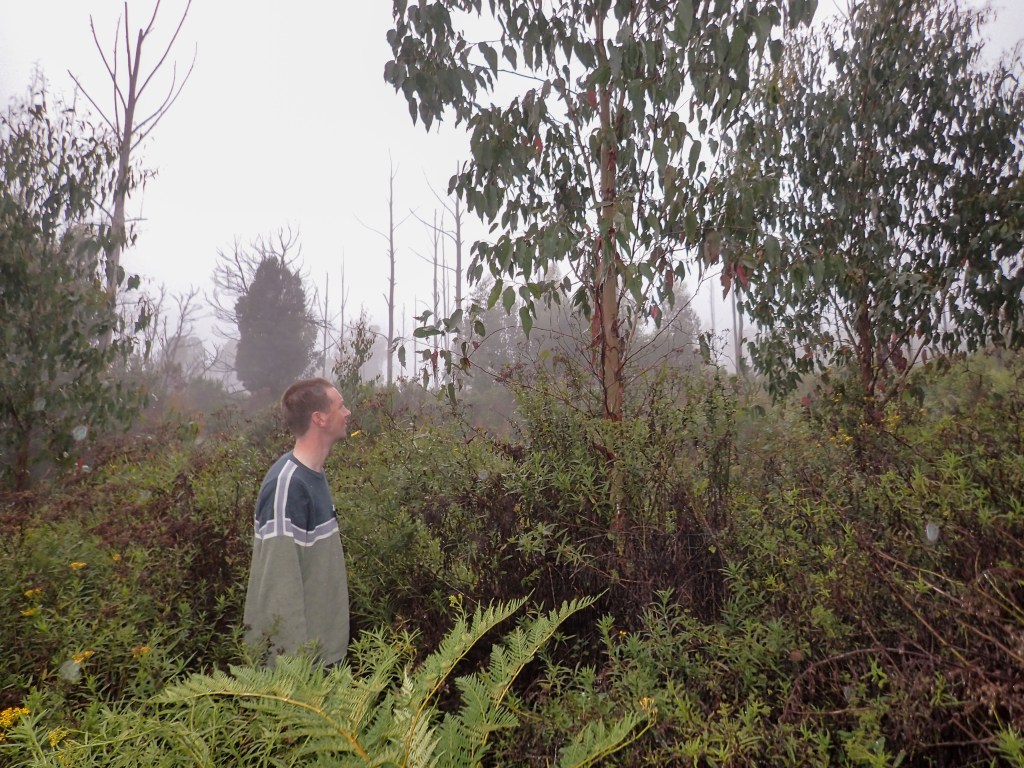
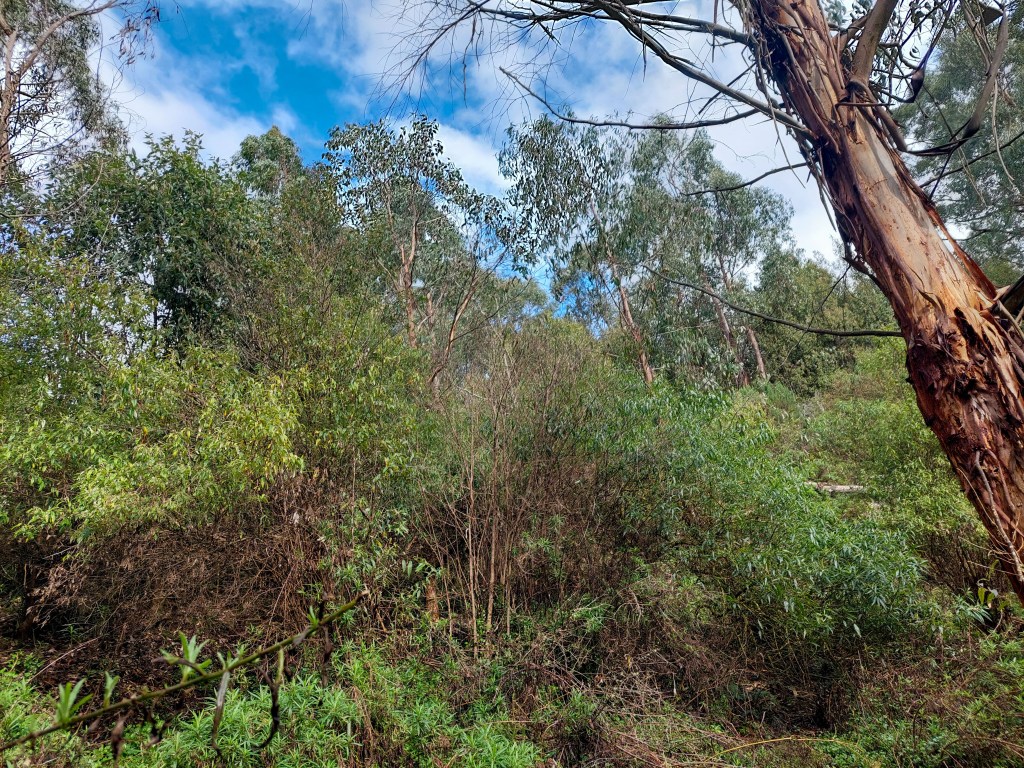
As time passed, undergrowth at the site increased. This made movement and planting more difficult. It also intensified competition for light and space. By the end of 2015, most planting was finished, and our focus shifted to site maintenance. From 2016 onward, we began removing guards from trees that had grown tall enough to survive unaided. In cases where seedlings died, we replanted as needed.

While most aspects of the project went according to plan, we did face setbacks. The site was initially littered with dead stags of immature Mountain Ash, which sometimes fell and damaged our tree guards. Additionally, the site was exposed, causing some newly planted trees to be blown over by strong winds. This happened despite the trees growing impressively tall. Fortunately, these losses were limited, and overall, our efforts have been a success

Fire Recovery Project Site 27th July 2024

September the 6th Planting Day

Come along on Saturday September the 6th of September to Tarra-Bulga National Park and participate in the Friends of Tarra-Bulga’s biggest planting day for the year. Once again they will be enhancing the world by planting some mighty Mountain Ash. This time it will be on a site along the Grand Ridge Rd. BYO Lunch, drinks and gloves. Meet at the park visitors centre at 9am. To register or for inquiries call 0488 035 314 or email:friendsoftarrabulga@gmail.com
planting day flyer

Camera Site Greatly Exceeds Expectations

In February we placed a camera in a new site along the Grand Ridge Rd, in vegetation that was not typical old growth Mountain Ash forest, but rather sad looking regrowth scrub. As a result we didn’t have high expectations as to what fauna we’d find in this habitat. Surprisingly though it’s a very popular spot, especially with ground dwelling birds (must be lots of food) and we obtained some fantastic images. All up the camera was triggered on 165 separate occasions, see the table below for more details)

This slideshow requires JavaScript.

Species Sightings  

Species

Sightings
Brush Bronzewing 36   Fox 3
Superb Lyrebird 22   Swamp Wallaby 2
White-browed Scrubwren 20   Echidna 2
Bassian Thrush 16   Koala 2
Pilotbird 13   Common Blackbird 2
Eastern Whipbird 7   Brushtail Possum 1
Superb Fairy-wren 7   Rufous Fantail 1
Wombat 4    
  • In addition there were 26 birds that triggered the camera not able to be identified from the image quality to species level.
Related Posts:


Another Fire Recovery Sequence

Yesterday we had our biannual photo-monitoring session, so this one is very up to date. We got on to this site a bit late (over a year after the fire) but we were intrigued with the mass regeneration of Eucalyptus seedlings (probably Mountain Ash) on the site and figured it would be good to record what happens to them over time.  You can see in the early photos the shape of the slope, the dead trees and the mass of green that is the newly germinated plants. Now the shrubs in the foreground have grown and blocked our view, which seems to be a common issue with photo-monitoring but we will still keep tabs on the site and its future development.

Related Posts

Fire Recovery on the Grand Ridge Rd

Another series of photos, showing the recovery of burnt vegetation over time, this site is on an exposed north facing ridge, where the fire was fairly intense. Some sections of the burnt areas along the Grand Ridge Rd had trees that were mature enough to release lots of seeds and in those spots there has been thick Eucalyptus regeneration. Another large area further west was formerly fully cleared land, which had been replanted with Mountain Ash in the early 1990’s unfortunately these trees had not reached adulthood, which meant that the Mountain Ash, (which cannot re-sprout after a fire like other Eucalyptus species) were all killed;  no seed to release meant that no new trees germinated after the fires only understorey. Friends of Tarra-Bulga National Park have just received a Communities For Nature grant to re-establish canopy trees  at this site.

 Related Posts

Snow at Tarra Bulga August 2013

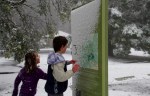
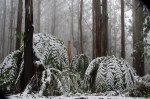
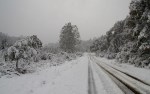
Heavy snowfalls are a relatively rare event at Tarra Bulga National Park.  A large dump in August 2005 caused a lot of damage to the park’s vegetation due to the weight of the snow. Today’s snow is the biggest dump since this event and hopefully the damage will not be too severe but it certainly will have an impact.

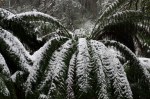
This morning there were plenty of tree branches cracking under the weight of the snow and in more open areas shrubs were taking a battering.  Tree Ferns are an ideal shape to catch snow on  their fronds, but thankfully they seem very good at recovering from damage. The area where our working bee was a week and a half ago was covered in snow, which is not an ideal start for our newly planted Mountain Ash seedlings.

It was interesting to see the Fauna’s reaction to the sudden icy change to their landscape with a confused Kangaroo hopping about (outside the park boundary) and Lyrebirds and other species buzzing around and looking a bit agitated. The snow would have affected mainly the higher elevations in the park, with sites along the Grand Ridge Rd catching the heaviest falls.