What are we monitoring for?

Tonight’s the Friends of Tarra Bulga National Park committee had one of their regular meetings. It is always interesting to make the evening trip up to Balook, as you are almost guaranteed to see an interesting array of wildlife along the way. Tonight was no exception on the way up in the last hour of daylight there were plenty of wallabies darting out in front of the car and a couple of lyrebirds  doing their last rounds of the day.
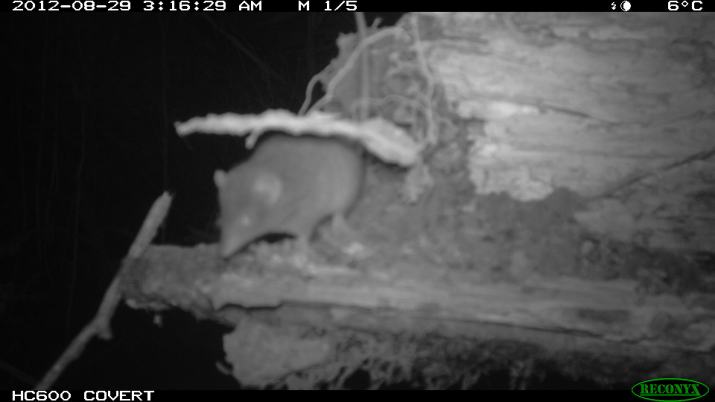
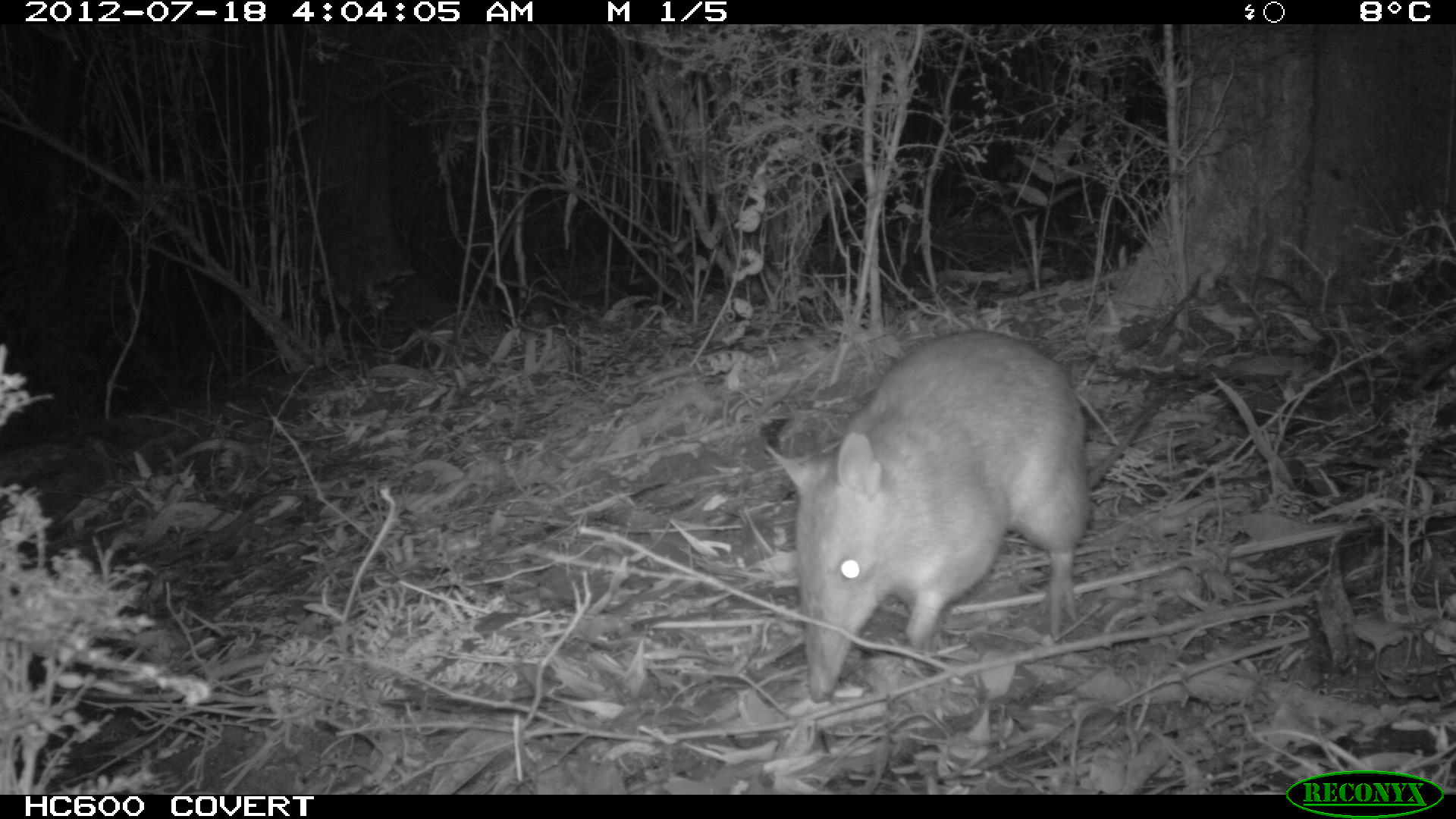
Long- nosed Bandicoot - Perameles nasuta
Long- nosed Bandicoot – Perameles nasuta

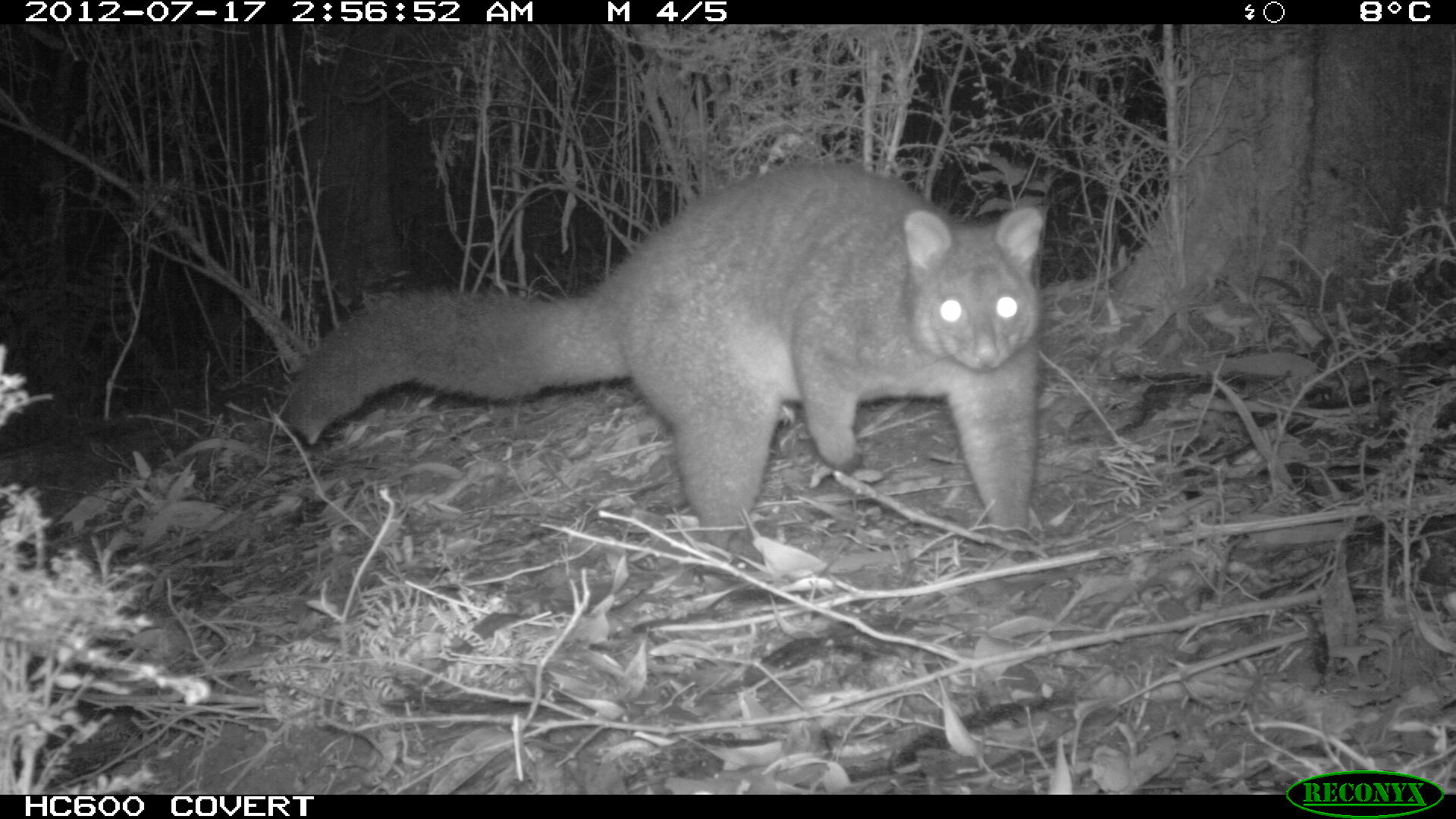
After the meeting it was now a couple of hours since dusk, back in the car and around the first few bends we catch some eye shine and a shape at the side of the road, slowing down it becomes clear that it is a fox with something in its mouth. With light from the headlights and the full moon, I can see a short tail and on the other side of the foxes snout a long pointy nose, unmistakably a bandicoot, bit sad that my first live sighting of a bandicoot at Tarra Bulga had to be this way. The full moon seems to get the fauna out and about and a little further on we stop the car when we spot a brush-tailed possum on the roadside. With the car stationary it strides across, with a tiny offspring hanging tenaciously on to its mother’s back. Next sighting is a couple of rabbits, which surely would have been our preferred option for the fox to be dining on.

Before the friends started monitoring with remote cameras, there had been no official records of bandicoots in the park for at least a decade (wildlife surveys can be an expensive business). What impacts do fox numbers have on bandicoot or lyrebird populations or even rabbits? How common are other feral animals in the park and what impact could they be having e.g. cats? What else is out there that we don’t know about (Could there be any Tiger Quoll?  We could guess but without some means of surveying we wouldn’t really know. The Friends of Tarra Bulga now have a network of remote cameras across the park, we aim to use them to the best of our ability to get a much greater understanding of what is happening out there with all them critters.
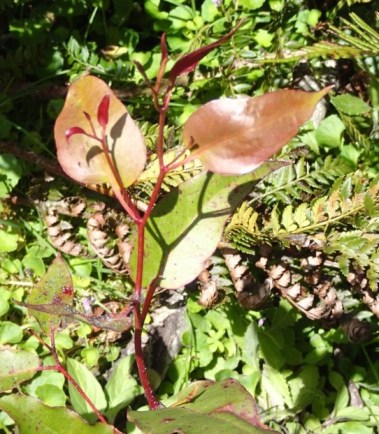
Sycamore Maple Revegetation Site

Made the trek out to the re-vegetation site for the first time since the planting was done which was a bit over two months ago.

Fresh New Growth on Mountain Ash Seedling

From looking around the site there was both good and bad news. First the good, there was virtually no sign of any Wallabies managing to get to chew any of the new seedlings, despite the fact I heard one hopping away when I reached the site. There was good fresh new growth on all the seedlings that I found, hopefully when they become more conspicuous as they get taller the wallabies will still find them too difficult to reach. The bad news is that after seeing very, few new seedlings of Sycamore Maple 

Dicksonia antarctica Soft tree-fern

Tree Ferns at Tarra Bulga

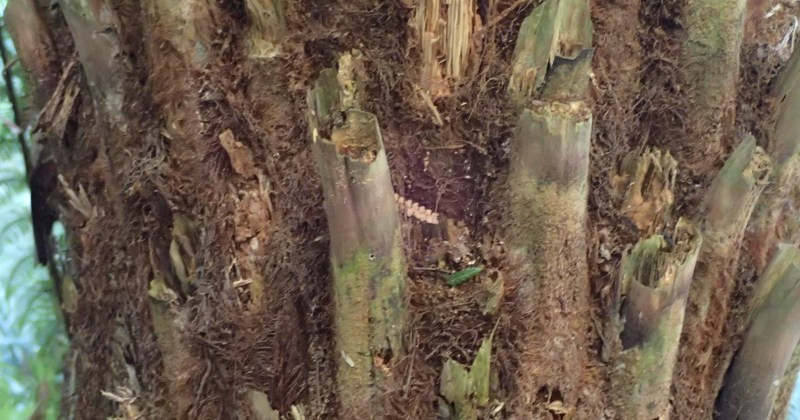
There are four main species of tree ferns found in Tarra Bulga National Park, (along with many other fern species) The two most common you will see are Cyathea australis (Rough tree-fern) and Dicksonia antarctica (Soft tree-fern). The Soft Tree-fern is more common in the moister areas including the rainforest gullies while the Rough tree-fern is more dominant on the slopes. Once you get you eye in it is fairly simple to tell the difference between these two, the most obvious being by comparing the trunks. The Rough tree-fern has much of its trunk covered by the remains of broken off stems (Stipes) Which are rough to the touch, while the Smooth tree-fern is soft to the touch and is covered by masses of soft hairs which are actually roots.  On this soft trunk other species of plants will often grow including tree and shrub seedlings, epiphytes and other ferns.

Cyathea australis - Rough tree-fern
Cyathea australis – Rough tree-fern, the broken of scaly frond bases (Stipes) on the upper part of the trunk of these ferns are a quick aid to their identification.

Wallaby Pouch Action

This vision of a mother Swamp Wallaby (Wallaby bicolor) and her young one was snapped at one of our monitoring sites in the Tarra Valley section of the park. The camera was ideally located to catch the action.

Remote Camera and the Fallen Tree

When we checked one of the cameras after some of the recent windy weather, we arrived at the site to find it had had a close call with the base of a fallen tree landing only inches in front of our precious camera.

Figuring the the tree would be completely blocking the line of sight for the camera it was thought that there was no point leaving it in its current position. So the camera was relocated. 

Later while checking the results computer we found there had been some interesting activity at the site with passing Echidna’s and Bandicoots and a Male Lyrebird strutting around and calling.

Lyrebird
Nice shots of this male Lyrebird before the tree fell over and blocked the view.

After the tree fell we were not expecting much but the disturbance and obviously caused interest in feeding opportunities for some fauna. Antechinus and Eastern Whip Birds featured in a number of shots foraging in the rotten wood at the base of the fallen tree. As the tree was very close to the camera the shots are a little out of focus but they do give us a good look at the habits of species we would not have seen without the presence of the camera.

Antechinus Close Up
Antechinus Close Up foraging on newly fallen tree base.
Eastern Whip Bird - Psophodes olivaceus
This Eastern Whip Bird (Psophodes olivaceus) was very interested in the base of this newly fallen tree, it seemed to be having a feast.

Awesome Effort at Planting Day

The Friends of Tarra Bulga  planting day last Saturday was a great event, which will hopefully result in the return of some towering wet forest in years to come. It will also greatly assist efforts to prevent the re-infestation of Sycamore Maple trees into this area of the National Park.

Getting Ready to Plant
Getting Ready to Plant – The first of the volunteers arrive at the site and prepare to get down to business.

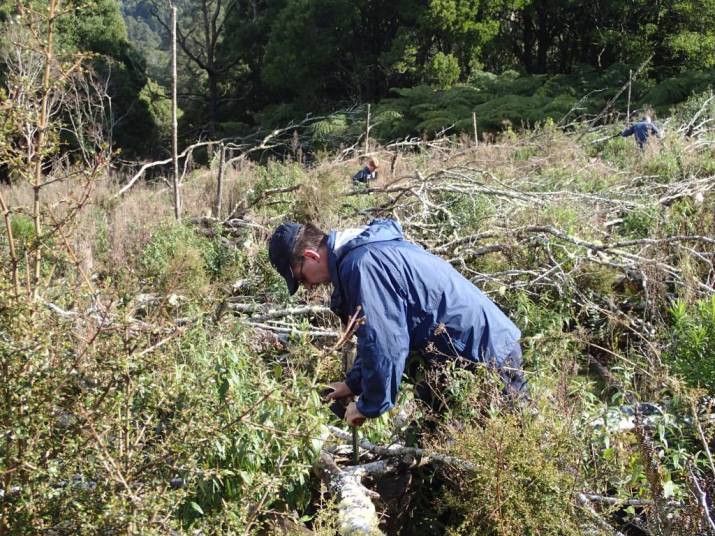
Volunteers managed to plant 600 Mountain Ash (Eucalyptus regnans) species across the site, which was no mean feat given that each plant needed to be carefully placed in a position where they will be guarded from browsing by hungry Swamp Wallabies. This involved scrambling over steep areas thick with fallen branches, while trying to avoid human hazards such as stinging nettles and leeches. While this may sound arduous there were no complaints from the willing and enthusiastic volunteers happy to be out making a difference to the park and enjoying the scenic (but muddy in spots) walk into this secluded planting site.

Richard in Action
Friends Group member Richard, putting in a big effort.
One of the 600 plants
One of the 600 Mountain Ash Seedlings that were planted on the day.

The group will now carefully monitor this site over the coming years to check that the newly planted trees are growing successfully and retreat any Sycamore Maple regrowth that sprouts from the treated stumps and pull out any new seedlings that pop up. Funding for this project has been supplied by the Victorian Government’s “Communities for Nature” Program.

Mother Maple
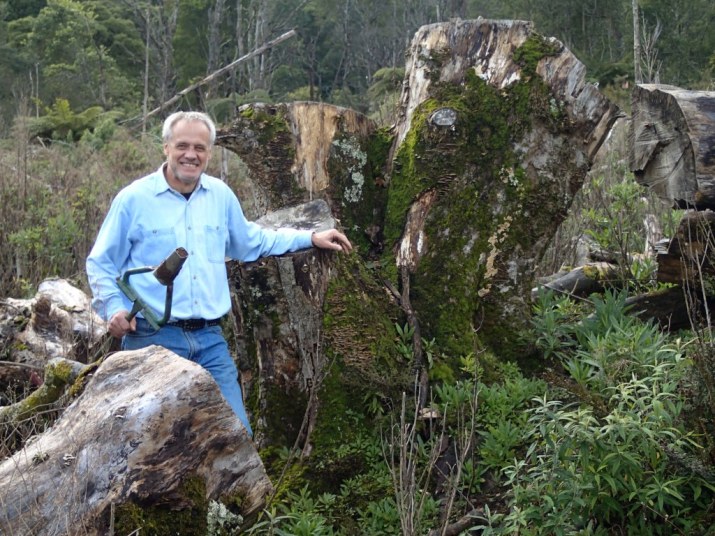
Friends Group President Peter Bryant, Standing next to the largest stump left behind from the forest of Sycamore Maples that had taken over the area.
A Job Well Done
Some of the Volunteers posing with their Hamilton Tree Planters after a great days effort to enhance Tarra Bulga.


Tarra Valley – Remote Camera Site

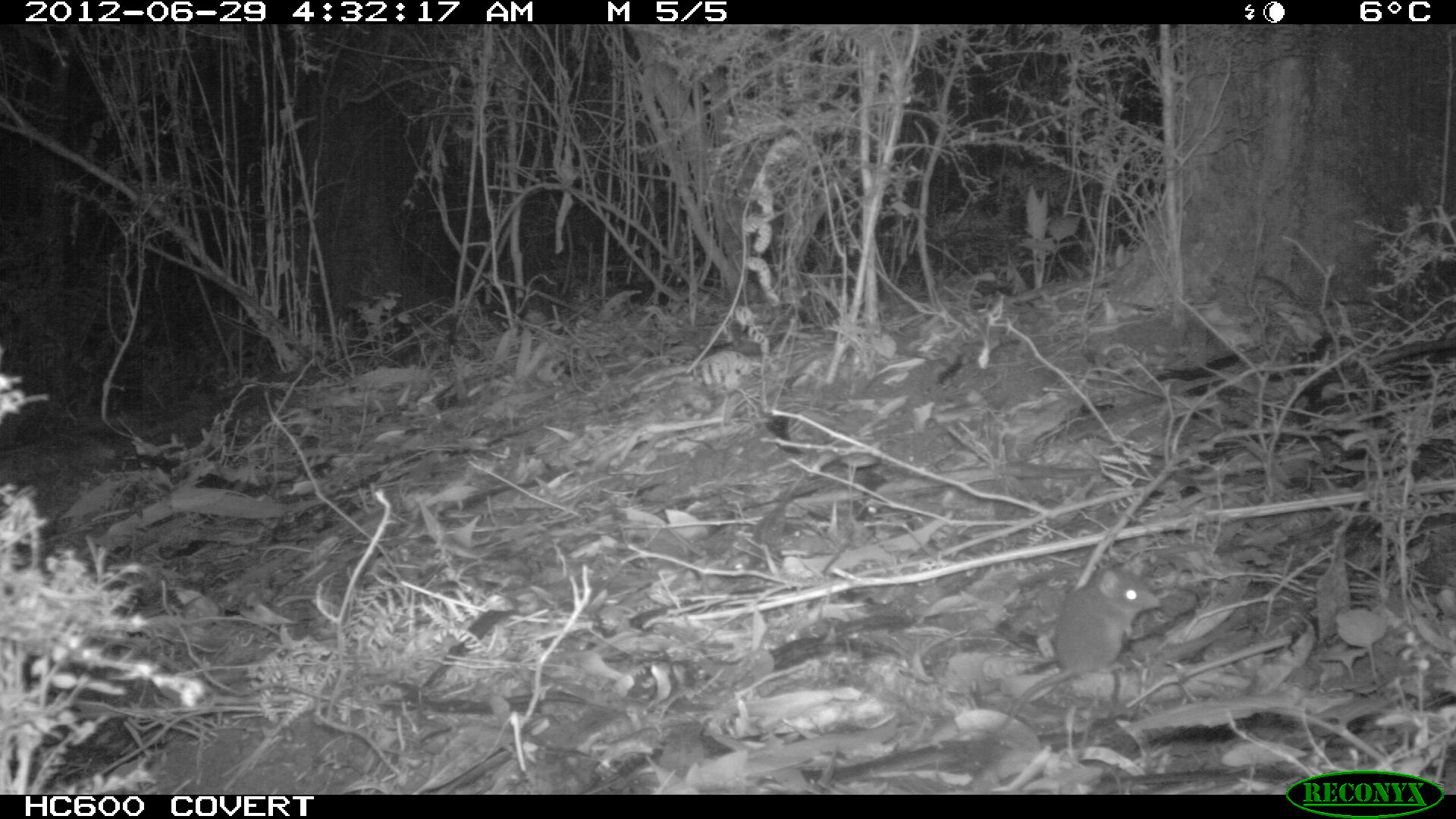
We recently moved one of our cameras down to a site in the Tarra Valley section of the park, to get a better idea of what wildlife is hanging around there. After the camera was checked the first time we had plenty of shots of Swamp Wallabies but nothing else apart from foxes. The camera was then moved a few metres to a new position where it could be set closer to the ground and the difference in the number of species photographed was quite remarkable. There are some great Long-nosed Bandicoot photos along with Antechinus and Rattus pictures, an Echidna and Possums (Not certain whether they are the Common Brush Tailed Possum of the Mountain Brush Tail (Bobuck) or whether we have both, The Bobuck’s have smaller more rounded ears.

Unfortunately there are still plenty of introduced predators at this site with Foxes and Feral Cats present. We have been recording quite a few cats with our monitoring lately.

This slideshow requires JavaScript.